Los Angeles is grappling with an intense and dangerous heat wave, posing a significant health threat to its residents. The extreme temperatures are testing the city’s infrastructure and emergency response capabilities as authorities urge extreme caution. This heat wave is not just a weather event but a critical examination of how the region prepares for and mitigates the impacts of severe climate conditions.
Key Highlights:
- Record-breaking temperatures are expected across the Los Angeles area.
- Vulnerable populations, including the elderly and those with pre-existing conditions, are at high risk.
- City officials are opening cooling centers and implementing public health advisories.
- The event highlights the growing challenges of climate change and urban heat island effects.
Scorching Temperatures Strain L.A. Amidst Health Crisis
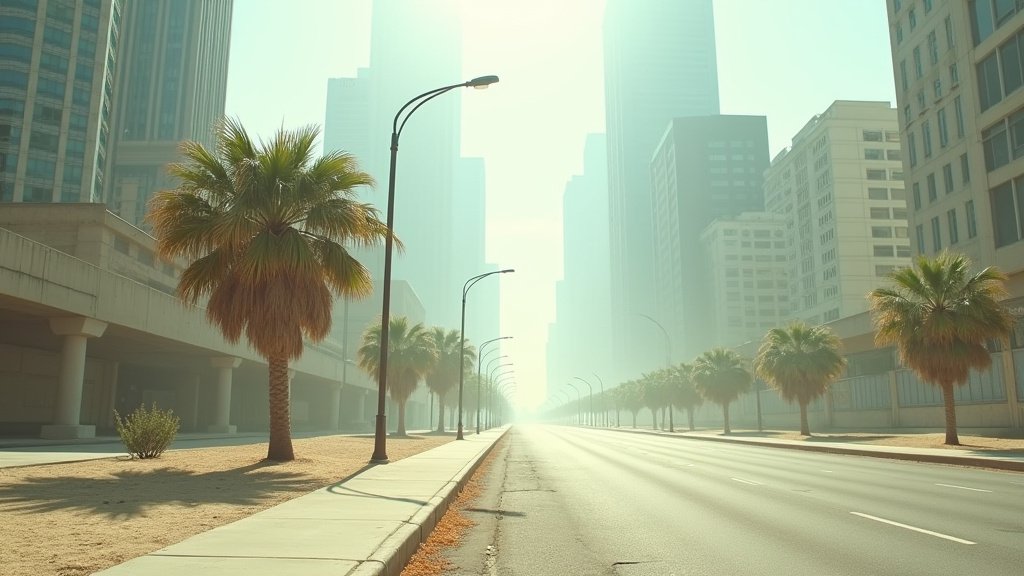
The current heat wave gripping Los Angeles presents a severe public health crisis, with temperatures soaring to dangerous levels. The National Weather Service has issued excessive heat warnings, advising residents to take precautions against heat-related illnesses such as heatstroke and heat exhaustion. This period of extreme heat is particularly concerning due to its duration and intensity, which are expected to strain emergency services and public health resources. The urban environment of Los Angeles, with its vast expanses of concrete and limited green spaces, exacerbates the heat island effect, making the city significantly hotter than surrounding rural areas. This phenomenon traps heat, leading to higher nighttime temperatures and providing little relief for residents, especially in densely populated neighborhoods. The health implications are dire, with a heightened risk of heatstroke, dehydration, and exacerbation of chronic health conditions like cardiovascular and respiratory diseases. Elderly individuals, young children, and those without access to adequate cooling are disproportionately affected, underscoring the need for community support and accessible cooling centers. The city has activated its emergency response plan, opening numerous cooling centers across various districts to provide a respite from the sweltering conditions. Public health officials are working tirelessly to disseminate crucial information about staying safe, including hydration, avoiding strenuous activities during peak heat, and recognizing the signs of heat illness. The Los Angeles Department of Public Health has also emphasized the importance of checking on neighbors and family members, particularly those who are more vulnerable. This event serves as a stark reminder of the increasing frequency and intensity of extreme weather events linked to climate change, challenging the resilience of urban centers like Los Angeles.
The Interplay of Climate Change and Urban Planning
The escalating intensity of heat waves in urban areas like Los Angeles is a growing concern directly linked to global climate change. Scientists attribute the increased frequency and severity of such events to rising global temperatures, which are amplified in cities by the urban heat island effect. This effect is created by the abundance of man-made surfaces like asphalt and concrete that absorb and retain more heat than natural landscapes. The lack of sufficient green infrastructure, such as parks and tree canopies, further compounds the problem by reducing the natural cooling provided by vegetation. Effective urban planning that incorporates more green spaces, cool roof technologies, and sustainable building designs is crucial for mitigating these effects. Strategies like increasing tree coverage, implementing reflective paving materials, and promoting energy-efficient buildings can significantly lower ambient temperatures and reduce the health risks associated with extreme heat. The long-term implications of failing to adapt urban environments to a warming climate are substantial, potentially leading to increased mortality rates, strain on energy grids due to higher demand for air conditioning, and significant economic costs associated with healthcare and infrastructure damage.
Vulnerable Populations and Health Equity
During extreme heat events, certain segments of the population are at a significantly higher risk due to socioeconomic factors, health status, or living conditions. This includes low-income communities, often located in areas with less green space and older, less energy-efficient housing. Individuals experiencing homelessness are also exceptionally vulnerable, lacking consistent access to shelter and cooling. Furthermore, the elderly, infants, and individuals with chronic illnesses are more susceptible to heat-related illnesses. Public health initiatives must prioritize equitable access to cooling resources and information for these groups. This involves ensuring cooling centers are accessible via public transportation, providing targeted outreach in vulnerable neighborhoods, and offering support for securing temporary cooling solutions in homes. Addressing the disparities in vulnerability requires a multi-faceted approach that combines public health interventions with social support systems and urban development strategies that promote health equity.
FAQ: People Also Ask
What are the main health risks associated with this heat wave?
The main health risks include heat exhaustion, heatstroke, dehydration, and the exacerbation of pre-existing cardiovascular and respiratory conditions. Heatstroke, a medical emergency, can occur if the body’s temperature regulation fails, leading to high body temperature, confusion, and potentially death.
How is the city of Los Angeles responding to the heat wave?
Los Angeles is responding by opening public cooling centers, issuing health advisories, and urging residents to take precautions. Emergency services are on heightened alert, and public health campaigns are underway to inform the public about heat safety measures and available resources.
What is the urban heat island effect and how does it impact Los Angeles?
The urban heat island effect is a phenomenon where metropolitan areas are significantly warmer than their surrounding rural areas due to human activities and infrastructure. In Los Angeles, this effect is intensified by dense development, pavement, and a lack of widespread green space, leading to higher temperatures, especially in urban cores.
Who are the most vulnerable populations during a heat wave?
The most vulnerable populations include the elderly, infants and young children, individuals with chronic health conditions, people experiencing homelessness, and low-income communities who may have limited access to air conditioning or cooling centers.
What can individuals do to protect themselves from the heat?
Individuals should stay hydrated by drinking plenty of water, avoid strenuous outdoor activities during the hottest parts of the day, wear lightweight and light-colored clothing, seek shade or air-conditioned environments, and check on vulnerable friends, family, and neighbors.