Tokyo pulsates with an unparalleled energy, seamlessly blending its ancient traditions with a vibrant, modern nightlife. From the neon-drenched streets of Shinjuku to the chic sophistication of Ginza, the city offers a captivating experience for every nocturnal adventurer.
Key Highlights:
- Tokyo’s nightlife is a diverse tapestry, catering to various tastes.
- Iconic districts like Shinjuku, Shibuya, and Roppongi offer distinct experiences.
- Culinary delights are integral, with late-night dining options abound.
- The city’s safe and efficient public transport facilitates easy exploration.
The Electric Pulse of Tokyo’s Nights
Tokyo’s reputation as a city that never sleeps is well-earned. Its nightlife is not merely about bars and clubs; it’s a multifaceted experience that engages all senses. The atmosphere is electric, a symphony of sights, sounds, and tastes that draws millions of visitors and locals alike into its embrace. The city’s ability to balance its rich cultural heritage with cutting-edge trends creates a unique nocturnal landscape.
Shinjuku: Neon Dreams and Hidden Gems
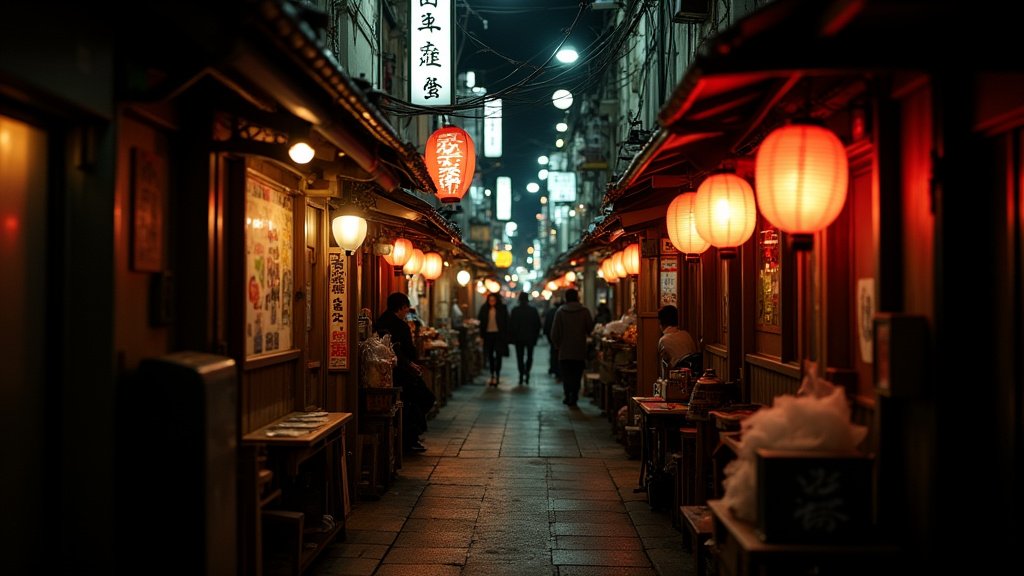
Shinjuku is perhaps the most iconic representation of Tokyo’s vibrant nightlife. Dominated by towering skyscrapers and an overwhelming density of entertainment options, it’s a district that truly comes alive after dark. The famous Omoide Yokocho (Memory Lane) and Golden Gai offer a glimpse into a bygone era with their narrow alleys packed with tiny, atmospheric izakayas and bars. Here, patrons can savor traditional Japanese cuisine and drinks in an intimate setting, often sharing stories with locals and fellow travelers. Contrast this with the modern entertainment complexes that offer everything from karaoke to live music, ensuring that Shinjuku caters to a broad spectrum of desires.
Shibuya: The Youthful Pulse and Iconic Crossings
Shibuya is the epicenter of Tokyo’s youth culture and trendsetting scene. Famous for its mesmerizing Shibuya Scramble Crossing, the area buzzes with an infectious energy. Young crowds gather in stylish cafes, trendy boutiques, and a plethora of clubs and bars that play the latest music. The district is also a culinary hotspot, with countless restaurants offering diverse international and Japanese flavors, many of which stay open late into the night. Shibuya’s dynamic atmosphere makes it a must-visit for those seeking a taste of contemporary Tokyo.
Roppongi: International Flair and Sophistication
Roppongi offers a more upscale and international nightlife experience. Known for its sophisticated clubs, chic lounges, and fine dining establishments, it attracts a diverse crowd, including expatriates and tourists seeking a glamorous evening. The area boasts impressive city views from rooftop bars and provides a polished ambiance for those looking for a more refined night out. Roppongi’s security initiatives have also made it a comfortable and welcoming district for all.
Culinary Adventures After Dark
No exploration of Tokyo’s nightlife is complete without indulging in its culinary offerings. Beyond the izakayas and sushi bars, the city is dotted with restaurants specializing in ramen, yakitori, tempura, and more, many of which operate well past midnight. Department store basements (depachika) also offer a dazzling array of gourmet foods, and some even have late-night dining counters. This gastronomic dimension is a critical component of Tokyo’s nocturnal charm, providing sustenance and delight.
Navigating the Night: Safety and Convenience
Tokyo is renowned for its safety, and its nightlife districts are no exception. Public transportation, particularly the extensive train and subway network, operates late, making it convenient and affordable to navigate between different areas. This efficiency allows visitors to experience multiple facets of Tokyo’s nightlife without worrying about logistics, contributing to a relaxed and enjoyable experience.
FAQ: People Also Ask
What are the best areas for nightlife in Tokyo?
The most popular areas for nightlife in Tokyo include Shinjuku, Shibuya, and Roppongi. Shinjuku offers a mix of traditional izakayas and bustling entertainment, Shibuya is known for its youth culture and trendy clubs, while Roppongi provides a more sophisticated and international atmosphere.
Is Tokyo’s nightlife expensive?
Tokyo’s nightlife can range from affordable to very expensive, depending on the venue and your choices. Casual izakayas and ramen shops are budget-friendly, while high-end clubs and cocktail bars in areas like Roppongi can be costly. Entrance fees and cover charges are common in many clubs.
What time does nightlife typically start and end in Tokyo?
Most bars and restaurants start to get busy around 8 PM and can stay open until midnight or later. Clubs typically open around 10 PM or 11 PM and often run until 5 AM or even later on weekends.
Is it safe to go out at night in Tokyo?
Yes, Tokyo is considered one of the safest major cities in the world, even at night. Crime rates are very low, and the public transport system is efficient and safe, making it easy to get around.
What kind of food can I expect in Tokyo’s nightlife areas?
You can expect a wide variety of food, including traditional Japanese dishes like ramen, yakitori, and sushi, as well as international cuisine. Many izakayas offer small plates perfect for sharing, and late-night cafes and dessert shops are also popular.