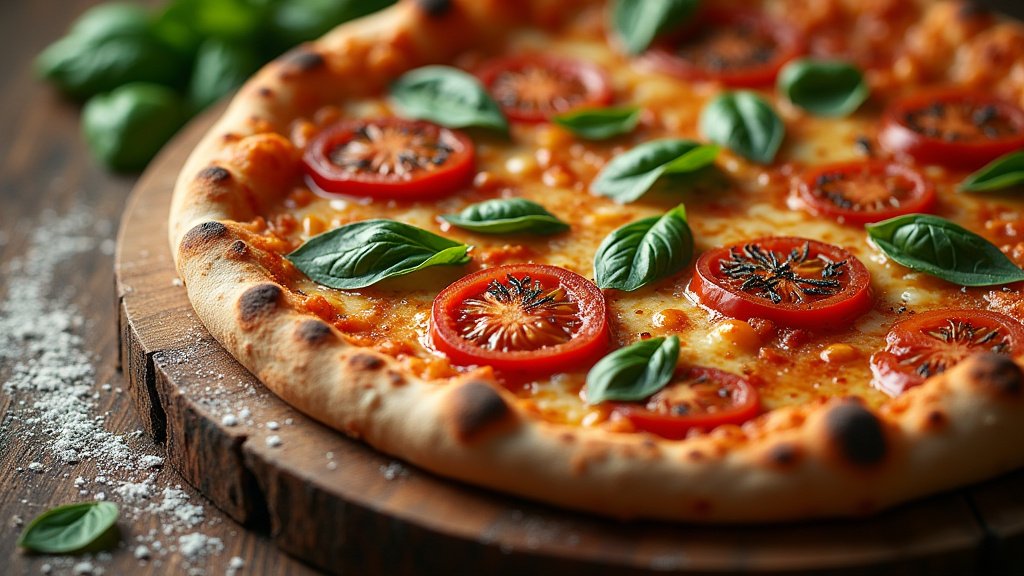
For decades, the culinary narrative of Los Angeles was dominated by tacos, sushi, and fine dining, leaving the humble pizza pie relegated to the background. This weekend, that narrative is being rewritten atop the Event Deck at L.A. LIVE. The 4th Annual Pizza City Fest has arrived, bringing together 40 of Southern California’s top pizzerias for a two-day celebration of dough, sauce, and cheese that effectively declares Los Angeles a legitimate—and formidable—pizza capital of the world. Founded by acclaimed food journalist Steve Dolinsky, the festival is not merely a gathering of vendors, but a high-level curation of the regional styles that have quietly turned Southern California into one of the most exciting pizza markets in the United States.
Key Highlights
- Regional Supremacy: 40 premier pizzerias from across Southern California are showcasing their craft, eliminating the need for pizza fans to drive hundreds of miles to sample different styles.
- Diverse Culinary Spectrum: The festival features a wide array of styles, including Neapolitan, Chicago Tavern-style, New York-style, Detroit-style, Grandma Pie, and creative L.A.-inspired hybrids.
- The Expert Curator: Three-time Emmy and 13-time James Beard Award-winner Steve Dolinsky spearheads the event, ensuring a standard of quality that rivals global food festivals.
- Community and Impact: The festival partners with the Culinary Careers Program (C•CAP), supporting underserved students while fostering the next generation of culinary professionals.
The SoCal Pizza Renaissance: A New Identity
For years, pizza enthusiasts often dismissed Los Angeles as a place where pizza was an afterthought—a side dish rather than a main attraction. Critics pointed to New York’s iconic slices or Chicago’s deep-dish heritage as the bar to clear. However, as the 2026 iteration of Pizza City Fest illustrates, the narrative has shifted drastically. The “SoCal Pizza Renaissance” is not defined by a singular, rigid style but by a radical, open-minded approach to technique and ingredients.
Unlike East Coast cities where tradition is guarded with ferocity, Los Angeles has embraced a “pluralist” approach. At this year’s festival, attendees are witnessing a collision of cultures and methods. You can find a traditional Neapolitan pie with locally sourced, artisanal Californian produce sharing the stage with a crispy-bottomed Detroit-style square or a classic, no-nonsense New York slice. This is the L.A. way: taking the best of established traditions and injecting them with the region’s unmatched access to high-quality fresh produce and a culture of culinary risk-taking.
L.A. LIVE as the Culinary Epicenter
Hosting such an ambitious event requires more than just space; it requires a venue that can handle the logistics of high-volume, high-heat cooking. The Event Deck at L.A. LIVE provides the perfect backdrop. As a massive, 4 million square-foot entertainment destination, it allows for a seamless flow of foot traffic, dedicated areas for educational panels, and, most importantly, the installation of professional-grade pizza ovens.
Logistically, the festival solves one of the biggest hurdles for L.A. foodies: distance. Southern California is geographically vast. Tasting a top-tier pizza from San Diego, followed by a standout slice from Santa Barbara, and finishing with a pie from the Inland Empire would typically require a weekend of grueling driving. By bringing these disparate artisans into one central location, Pizza City Fest creates an unprecedented convenience. The event is less a fair and more an “ultimate tasting menu,” where visitors can curate their own perfect pizza crawl without ever leaving Downtown Los Angeles.
The Steve Dolinsky Factor: Journalism Meets Gastronomy
To understand the success of this festival, one must look at the man behind it. Steve Dolinsky is not a typical event organizer; he is a veteran food journalist with a career built on rigorous research and critical assessment. His methodology in selecting vendors for the festival reflects his editorial background.
Dolinsky’s curation is not based on marketing hype or social media follower counts. It is based on merit. He seeks out the “unsung artisans”—the small-batch operators, the mobile oven geniuses, and the neighborhood heroes who are perfecting their dough formulations daily. This creates a trust factor for attendees. When a guest walks into the festival, they aren’t just getting “food”; they are getting a validated culinary experience. Dolinsky’s deep dive into the “Pizza City” concept has turned the festival into an educational platform, where panels like “The Dough Whisperers” demystify the science of fermentation and hydration, further elevating the public’s appreciation for the craft.
The Anatomy of the 2026 Lineup
This year’s roster is particularly notable for its mix of legacy favorites and bold newcomers. The inclusion of first-time participants—such as the innovative operations bringing cultural hybrids like the Vietnamese-inspired bánh xèo pizza—signals that the L.A. scene is not stagnating.
Consider the variety on display:
- Neapolitan: The standard-bearer for artisan pizza, focusing on 90-second bakes and high-hydration doughs.
- Detroit-Style: The rectangular, crispy-edged, cheese-crowned favorite that has captured the hearts of modern pizza fans.
- Tavern-Style: The thin, cracker-crust delight often associated with the Midwest but finding a comfortable home in L.A.
- Artisan/Experimental: The wildcards of the festival, where chefs experiment with seasonal Californian toppings—think roasted figs, local honey, or heirloom tomatoes.
This variety proves that Los Angeles isn’t just imitating other cities’ styles; it is innovating within them. By allowing these chefs to present their work side-by-side, the festival creates a conversation about what makes a “great” pizza, challenging the attendees to develop their own palate and preferences.
Economic and Community Impact
Beyond the crust and sauce, Pizza City Fest serves as a crucial economic engine for the local food scene. For many of the participating pizzerias, this event offers a platform to reach thousands of potential new customers in a single weekend. It is a high-visibility marketing opportunity that many small, independent shops could not afford on their own.
Furthermore, the partnership with the Culinary Careers Program (C•CAP) is a critical component of the event’s ethos. By using the festival to highlight the necessity of professional training for culinary students, Dolinsky ensures that the event gives back to the industry it celebrates. This creates a sustainable loop: the festival supports local businesses, which in turn support the community and the next generation of chefs, all while educating the public on the complexity of the craft. It is a model for how modern food events can be both commercially successful and socially responsible.
Looking Ahead: The Future of the Slice
As the festival concludes its fourth year, the question arises: what is next? The expansion of the Pizza City Fest brand into other cities like Chicago and Nashville suggests that the concept is scalable. However, the L.A. event remains a unique case study in how quickly a food scene can mature when given a centralized platform.
We can expect future years to lean even further into technology and sustainability. As energy-efficient, high-output ovens become more accessible, the barriers to entry for mobile pizza artisans will continue to drop, likely leading to an even more diverse array of participants in the coming years. The “Pizza City” title is not just a marketing slogan anymore; it is an economic reality. As long as events like this continue to foster this level of collaboration and education, the ceiling for the Los Angeles pizza scene remains wide open.
FAQ: People Also Ask
Q: What makes Pizza City Fest different from other food festivals?
A: Unlike many food festivals that focus on quantity or “food porn” aesthetics, Pizza City Fest is curated by award-winning food journalist Steve Dolinsky. The focus is on quality, technique, and education, featuring panel discussions and professional demos alongside tastings.
Q: Can I really try all the different pizza styles at the event?
A: Yes. The festival is explicitly designed to feature a wide spectrum of styles, including Neapolitan, Detroit, New York, and Chicago Tavern-style. The “tasting” format allows attendees to sample slices from various vendors without committing to a full pie, making it the perfect environment to compare styles.
Q: How does the event support the local community?
A: The festival partners with the Culinary Careers Program (C•CAP), a nonprofit that provides culinary job and life skills to underserved students. Additionally, it provides a massive platform for local, independent small businesses to reach new audiences.
Q: Do I need a ticket for each slice?
A: No, the general admission ticket typically includes unlimited tastings from the various participating pizzerias, along with access to beverages, panels, and demonstrations, simplifying the experience for attendees.