The landscape of modern television is defined by the tension between established IP expansion and the singular visions of auteur creators. Today, April 23, 2026, serves as a high-water mark for this duality, with platforms like HBO and Netflix deploying marquee content designed to dominate the cultural conversation. From the gritty, trauma-informed storytelling of Richard Gadd’s latest project to the franchise-heavy expansion of the Stranger Things universe, viewers are faced with an embarrassment of riches that highlights the diverse appetites of the modern streaming audience.
The Rise of the Auteur: Richard Gadd’s ‘Half Man’
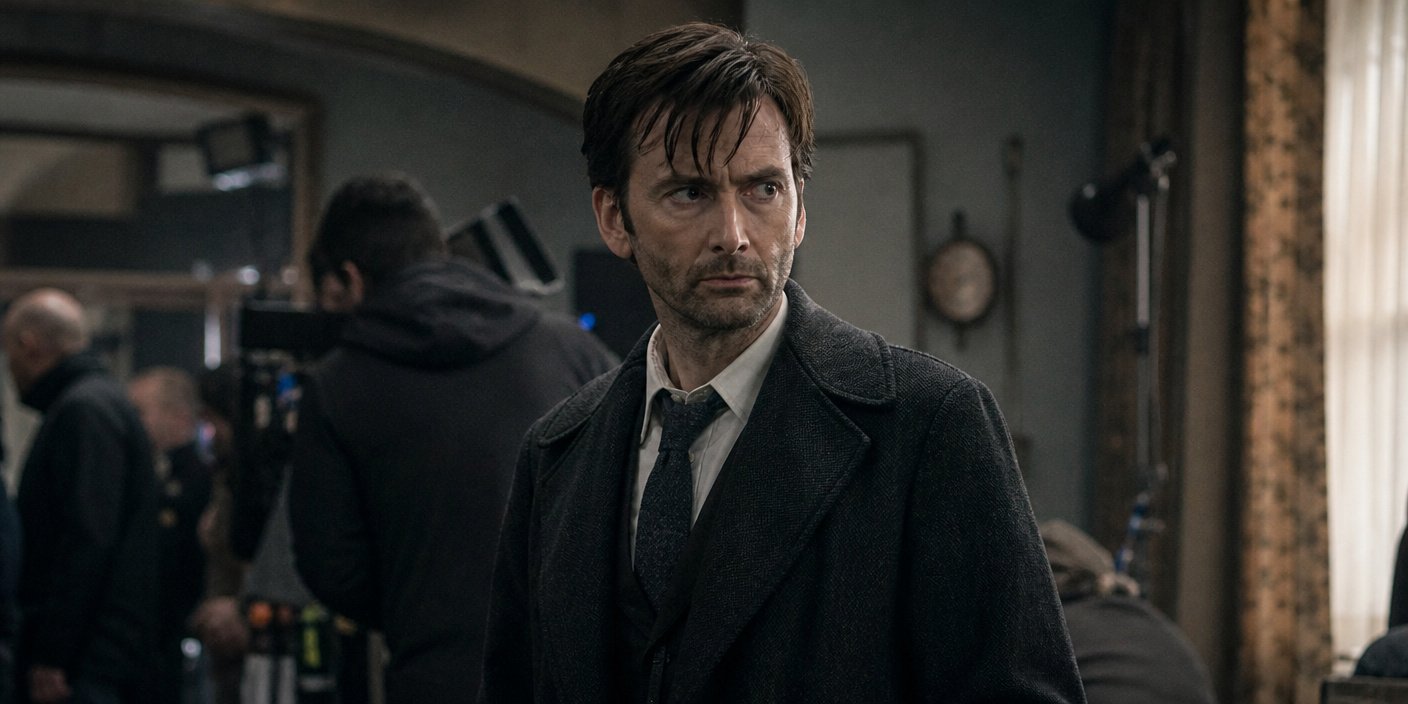
After the global, explosive success of Baby Reindeer in 2024, Richard Gadd established himself as one of the most vital—and polarizing—voices in television. His new limited series, Half Man, arriving today on HBO, represents a pivot in scope but a continuation of his thematic obsession with toxic masculinity and the fractured nature of male relationships. Co-starring Jamie Bell, the series is a co-production with the BBC and marks Gadd’s first major move toward a multi-platform release strategy.
Unlike his previous work, which felt claustrophobic and deeply personal, Half Man attempts to weave a broader narrative tapestry. By exploring the bond between two brothers over a span of four decades, Gadd is asking hard questions about how environment and trauma shape adult behavior. The series, which he wrote and executive-produced, is being framed as a crucial test of his longevity in the industry. Can he recreate the viral lightning-in-a-bottle of his earlier work, or will he successfully transition into a long-form drama powerhouse? The early critical reception suggests a show that is darker, more visceral, and perhaps more challenging than anything seen on HBO this year.
The Sports Comedy Renaissance: ‘Running Point’ Season 2
On the other side of the streaming ledger, Netflix is doubling down on lighter, high-energy entertainment with the return of Running Point. With Kate Hudson reprising her role as the reluctant, sharp-witted president of the Los Angeles Waves, the show is aiming to solidify its place as a staple of the Netflix comedy slate.
Season two is picking up the pieces from the season one scandal, shifting the focus from ‘fish-out-of-water’ comedy to a more strategic, high-stakes power struggle. This evolution is vital. Sports comedies often struggle to maintain momentum after the initial novelty wears off, but by deepening the antagonistic dynamic between Hudson’s Isla Gordon and Justin Theroux’s Cam Gordon, Running Point is positioning itself as a serialized drama as much as a laugh-out-loud sitcom. The inclusion of new cast members and guest stars signals that Netflix is investing heavily in this world, viewing it as a long-term franchise anchor rather than just a one-off hit.
Franchise Expansion: ‘Stranger Things: Tales From ’85’
Perhaps the most daring move of the day is the release of Stranger Things: Tales From ’85. For years, speculation about the future of the Duffer Brothers’ crown jewel has dominated social media. By choosing an animated format, Netflix is not only honoring the 1980s nostalgia that fueled the original series but also insulating the franchise from the aging reality of its core child cast.
Tales From ’85 functions as an anthology-style bridge, allowing the creators to experiment with the lore without disrupting the primary narrative of the flagship show. This is a savvy maneuver. In an era where superhero fatigue is real, the pivot to high-quality animation allows the Stranger Things brand to remain evergreen. If successful, this could be the blueprint for how Netflix handles its biggest legacy IPs—shifting from live-action reliance to an animated multiverse that can run indefinitely.
Secondary Angles: The Future of Streaming Strategy
1. The Animation Pivot: We are seeing a distinct trend where live-action titans (Stranger Things, Ghostbusters) are moving into animation. This reduces production costs significantly while allowing for more imaginative visuals that live-action budgets simply cannot support. It is a hedge against the rising costs of traditional production.
2. The ‘Event’ Release Strategy: By clustering these releases on a Thursday, platforms are effectively reclaiming the ‘watercooler’ moment. For years, the ‘drop-on-Friday’ model ruled, but Thursday releases allow the buzz to build heading into the weekend, giving critics and social media accounts a full 24 hours to digest content before the heavy weekend viewing traffic begins.
3. The Talent Trap: The industry is currently hyper-focused on ‘talent-led’ TV (Gadd, Kaling). While this produces compelling, voice-driven content, it creates an extreme vulnerability for networks; if the creator’s vision doesn’t land perfectly, the entire project (and the massive investment behind it) becomes a high-profile liability.
FAQ: People Also Ask
Q: Is ‘Half Man’ based on a true story like ‘Baby Reindeer’?
A: Unlike Baby Reindeer, which was rooted heavily in Richard Gadd’s lived experience, Half Man is a fictional dramatic work. While it explores themes Gadd is familiar with—such as toxic masculinity and trauma—it is a scripted narrative focused on the fictional relationship between two brothers.
Q: What is the premise of ‘Running Point’ Season 2?
A: Season 2 follows Isla Gordon (Kate Hudson) as she attempts to stabilize the Los Angeles Waves basketball franchise following the previous season’s scandals. The conflict intensifies as her brother Cam (Justin Theroux) maneuvers to reclaim his former position, creating a power struggle that affects the entire organization.
Q: Is ‘Stranger Things: Tales From ’85’ canon?
A: Yes, Tales From ’85 is considered part of the Stranger Things canon. It is designed to flesh out the lore of Hawkins and the Upside Down during the 1985 timeframe, providing additional context and stories that exist parallel to the main timeline.
Q: Where can I watch these new releases?
A: Running Point Season 2 and Stranger Things: Tales From ’85 are available to stream on Netflix. Half Man is a co-production between the BBC and HBO and is available to stream on Max.