Federal prosecutors have moved to dismantle a sophisticated international arms trafficking network following the arrest of a 44-year-old Woodland Hills, California, woman on Saturday night. Shamim Mafi was taken into custody at Los Angeles International Airport (LAX) by federal agents while attempting to board a flight to Turkey. The arrest marks a significant escalation in the U.S. government’s efforts to stem the illicit flow of military hardware fueling the devastating Sudanese civil war.
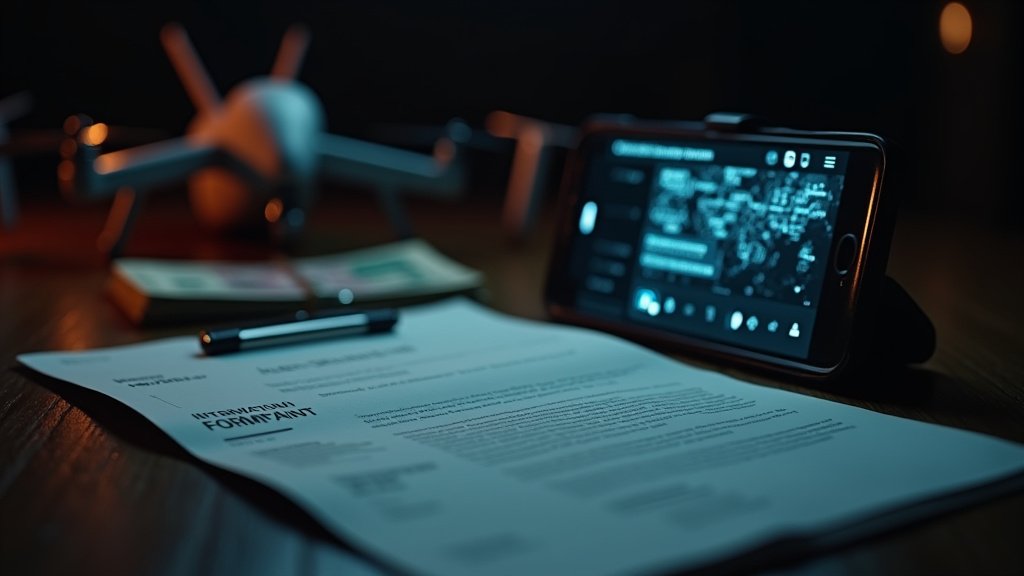
According to court documents filed in the Central District of California, Mafi is accused of conspiring to broker the sale of “drones, bombs, bomb fuses, and millions of rounds of ammunition” from Iran to the Sudanese Armed Forces. The charges, which include conspiracy to commit arms trafficking and violating U.S. sanctions, highlight the persistent, shadowy role of shell companies in bridging the gap between sanctioned state actors and active conflict zones.
The Anatomy of an Underground Supply Chain
The criminal complaint, dated March 12, 2026, paints a picture of a calculated, multi-year operation. Federal investigators allege that Mafi, an Iranian national who became a lawful permanent resident of the United States in 2016, utilized a company based in Oman named Atlas International Business as a front for her activities. This shell company served as the financial and logistical conduit for millions of dollars in arms transactions.
Evidence presented by federal authorities suggests that Mafi was not merely a passive facilitator but an active broker deeply embedded in the supply chain. The complaint details how the operation moved over $7 million in payments during 2025 alone. Perhaps most incriminating, documents indicate that Mafi submitted a letter of intent to Iran’s Islamic Revolutionary Guard Corps (IRGC) to secure specific bomb fuses requested by the Sudanese military. This direct link to the IRGC—the primary branch of the Iranian Armed Forces responsible for extraterritorial operations—elevates the gravity of the case, positioning it as a matter of national and international security.
Geopolitical Implications and the Sudanese Conflict
The arrest comes at a volatile moment for Sudan, which has been mired in a brutal civil war since 2023. The conflict, characterized by widespread humanitarian suffering and the displacement of millions, has been exacerbated by the influx of foreign-supplied weaponry. Experts note that the introduction of high-end military tech, such as the Qods Mohajer-6 drones—which Iran has notably supplied to Russia for use in Ukraine—significantly alters the balance of power on the ground in Sudan.
By leveraging her contacts within the Iranian government, Mafi allegedly bypassed international sanctions to arm the Sudanese Armed Forces. The investigation reveals that the logistical network was vast, with some weapons originating in China before being moved through the Omani-based shell company to Sudan. This case underscores the challenges federal agencies face in monitoring global illicit trade, where a single individual in a Los Angeles suburb can potentially alter the trajectory of a conflict thousands of miles away.
The Investigation: From Intelligence to Arrest
The takedown of this alleged network was the culmination of an intensive investigation by federal authorities. Intelligence gathering, which included monitoring encrypted communications and financial transactions, allowed officials to track the movement of funds and the coordination of arms shipments. The arrest at LAX was the final move in a long-standing surveillance operation.
As the legal process begins, the case against Mafi will likely serve as a focal point for debates regarding the effectiveness of current arms embargoes and the role of transnational criminal networks in modern proxy wars. The U.S. Attorney’s Office is expected to present a wide array of digital evidence, including the communications that linked the Sudanese weapons broker to Mafi via encrypted messaging platforms like WhatsApp. The outcome of the case will undoubtedly reverberate through the international intelligence community, setting a precedent for how the U.S. treats individuals acting as intermediaries for sanctioned military powers.
FAQ: People Also Ask
Who is Shamim Mafi and what are the charges against her?
Shamim Mafi is a 44-year-old resident of Woodland Hills, California, and an Iranian national. She has been charged by federal prosecutors with conspiracy to traffic arms between Iran and the Sudanese Armed Forces. If convicted, she faces a potential sentence of up to 20 years in federal prison.
Why is this case significant to international security?
This case exposes the mechanisms by which sanctioned regimes, specifically Iran, continue to supply weaponry to conflict zones like Sudan. By utilizing shell companies in neutral jurisdictions (such as Oman) and leveraging diaspora networks, entities can bypass international sanctions. The case highlights the U.S. government’s determination to intercept these supply lines.
How were federal investigators able to track the operation?
Federal authorities utilized a combination of financial intelligence, surveillance of shell companies, and the tracking of communication logs. The criminal complaint notes that agents monitored encrypted messages and financial transactions that totaled over $7 million in 2025, eventually tracing these activities directly to Mafi’s operation at Atlas International Business.