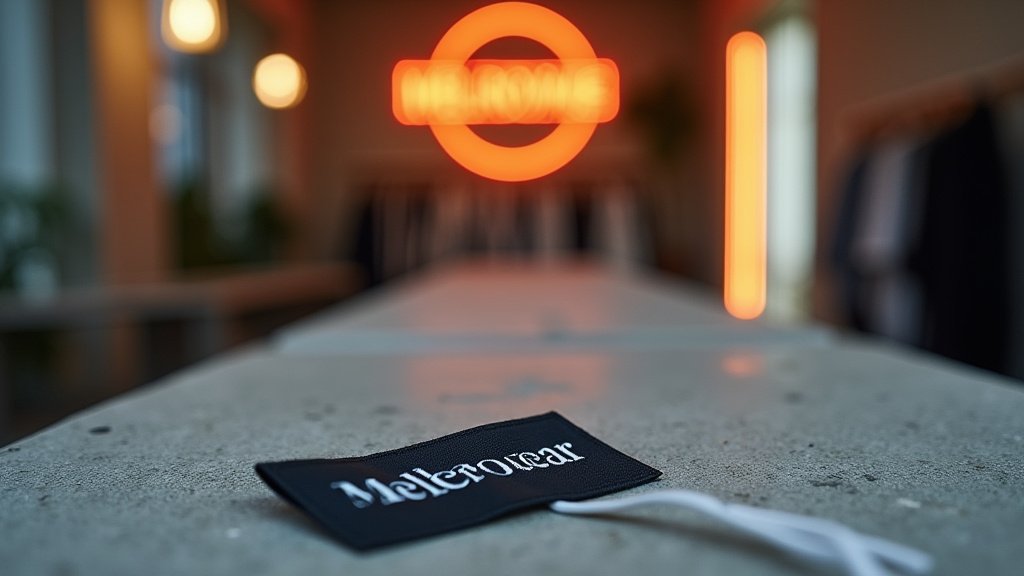
Nude Project, the Barcelona-born streetwear phenomenon founded by Bruno Casanovas and Alex Benlloch, has officially concluded its high-profile residency on Los Angeles’ iconic Melrose Avenue. The pop-up, which operated at 8451 Melrose Avenue from April 4 through April 19, 2026, served as a crucial bellwether for the brand’s deeper ambitions in the North American market, transforming from a digitally native label into a tangible, experiential retail powerhouse.
Key Highlights
- Experiential Retail Model: The residency transcended traditional sales, featuring a “third space” concept complete with arcade machines, a matcha bar, and a robust schedule of community-focused events.
- Strategic US Expansion: Following a smaller foray in Miami, the Los Angeles activation marks Nude Project’s most significant physical footprint in the US, validating the brand’s “community-first” retail strategy.
- Cultural Synthesis: The brand successfully bridged the gap between European streetwear aesthetics and the specific, fast-paced demands of Los Angeles youth culture.
- Growth Trajectory: Founders Casanovas and Benlloch have signaled intentions for permanent US presence, leveraging the momentum gained from this successful West Coast engagement.
The Anatomy of a Successful Residency
The closure of Nude Project’s Melrose residency provides a masterclass in modern brand activation. While many brands utilize pop-ups as mere inventory clearance tools, Nude Project utilized the 8451 Melrose space to curate an environment that demanded attendance. The “third space” concept—a location that is neither home nor work—was the operational blueprint, integrating social elements like daily DJ sets, creative meet-ups, and collaborative partnerships with local cultural entities.
The Shift from Transactional to Experiential
In an era where e-commerce dominates, physical retail has faced an identity crisis. Nude Project’s strategy on Melrose Avenue was a calculated move to solve this. By prioritizing community-led activations over purely transactional sales, they cultivated a “hangout” atmosphere. This decision to prioritize dwell time over conversion rates in the short term is a hallmark of sophisticated, long-term brand building. The retro-futuristic aesthetic, characterized by 1990s-inspired lo-fi imagery and organic, curved architecture, created a visually “Instagrammable” environment that generated significant organic reach, reducing the need for traditional, high-cost digital advertising.
The Latin Wave and Global Ambitions
Nude Project’s rise, fueled by viral moments featuring icons like Madonna and Justin Bieber, is emblematic of a broader shift in fashion: the “Latin Wave.” With Spanish-speaking creators and brands increasingly dictating global trends, Nude Project has leveraged this cultural gravity. Casanovas and Benlloch have effectively positioned the brand at the intersection of European streetwear sensibilities and a globalized, Gen Z-friendly marketing ethos. The Melrose pop-up was not just a store; it was a diplomatic mission for the brand’s aesthetic, designed to resonate with an audience that values authenticity, community, and the “cool factor” that stems from organic celebrity endorsement rather than forced partnerships.
Future Outlook and Operational Strategy
As the curtains close on the Melrose pop-up, the question turns to permanence. The brand has maintained a steady, controlled growth trajectory, opening company-owned stores in cities like Rome, Berlin, and Amsterdam. The Los Angeles residency serves as the ultimate test case for a dedicated US flagship. The ability to pull consistent crowds in one of the world’s most competitive retail environments suggests that Nude Project is ready to move beyond temporary installations. If the brand continues to mirror the operational rigor it has displayed in Europe—where it manages a network of 12 stores and a massive digital distribution ecosystem—a permanent Los Angeles location appears to be a matter of “when,” not “if.”
Economic Implications of the Pop-Up
Economically, the residency proved that the brand can transcend geographical barriers. By operating in the heart of West Hollywood, amidst global luxury players and established streetwear incumbents, Nude Project proved its ability to capture a premium demographic. The partnership with local figures and the focus on daily activations kept the brand in the news cycle for the duration of the residency, demonstrating a level of marketing efficiency that is often absent in larger, more traditional fashion houses. This approach not only drove immediate revenue but also fortified the brand’s valuation ahead of future expansion rounds.
FAQ: People Also Ask
Was the Nude Project LA pop-up a permanent store?
No, the Melrose Avenue location was a temporary residency that concluded on April 19, 2026. It was designed as an experiential pop-up to engage the US market.
Will Nude Project open a permanent store in Los Angeles?
While nothing has been officially confirmed, the founders have openly discussed their ambitions for permanent US expansion, and the success of the Melrose residency is widely viewed as a major step toward that goal.
What was unique about the Nude Project pop-up space?
Unlike a standard retail outlet, the pop-up functioned as a “third space,” featuring arcade machines, a matcha bar, and a full calendar of community events including DJ sets and creative talks, moving the focus from transactional sales to brand community-building.
Why is Nude Project successful?
Nude Project’s success is attributed to its digital-first community strategy, high-quality basics, and the ability to garner organic celebrity endorsements, all while maintaining a relatable, “inner-child” brand philosophy that resonates deeply with Gen Z consumers.