In a landscape often dominated by traditional curry houses or sterile fine dining, the latest expansion of the iconic L.A.-favorite, Badmaash, into Venice signals a tectonic shift in the city’s culinary narrative. By anchoring its menu with the buzzworthy masala steak frites and a sophisticated lineup of chai cocktails, this Venice outpost is not merely replicating success—it is evolving it, blending the nostalgic, spice-forward profiles of Punjab with the laid-back, ingredient-centric ethos of Southern California.
Key Highlights
- Strategic Evolution: Badmaash brings its “second-generation” Indian gastropub concept to the coastal vibe of Venice, moving away from purely traditional tropes to embrace a fusion-heavy menu.
- Signature Offerings: The debut of the Masala Steak Frites—a dish that marries classic French bistro techniques with robust, aromatic Indian spice rubs—has become an instant draw for locals.
- Cocktail Innovation: The beverage program highlights an artisanal approach to chai, integrating spirits with traditional tea aromatics, moving beyond the standard wine list.
- Cultural Synthesis: The new location serves as a case study for how immigrant-owned businesses are redefining “fusion” as a seamless integration of heritage and modern California lifestyle.
The New Venice Culinary Frontier: A Case Study in Evolution
The arrival of Badmaash in Venice is not just about a restaurant opening; it is a profound commentary on the evolution of Los Angeles as a culinary hub. For decades, the divide between “authentic” and “fusion” has been a point of contention in the food world. However, the Mahendro family—the architects behind the Badmaash brand—have managed to bypass this binary entirely, favoring an approach that focuses on what is delicious, relatable, and deeply personal.
The Masala Steak Frites: A Study in Flavor Profile
At the center of this culinary evolution is the Masala Steak Frites. This dish represents the restaurant’s philosophy: take a dish that is deeply familiar to the Western palate and elevate it through the lens of Indian heritage. The steak is not merely seasoned; it is crusted with a complex blend of dry-roasted spices that pay homage to the masalas found in a Punjabi household kitchen. The frites are similarly elevated, often served with a dipping sauce that hints at tamarind, mint, or spicy chutney, creating a synergy that feels inevitable rather than forced. This is the hallmark of modern L.A. cuisine—a lack of pretension coupled with a dedication to flavor density.
Beyond the Curry: The Chai Cocktail Program
The beverage program at the new Venice location is equally revelatory. While many restaurants rely on a standard selection of beers and generic spirits to pair with spicy food, Badmaash has curated a cocktail list that treats chai as a foundational element rather than an afterthought. The chai cocktails, which feature spirits ranging from spiced rum to gin, utilize the cooling yet complex nature of ginger, cardamom, and clove to counteract the heat of the food. It is a calculated sensory experience designed to keep the palate engaged. This shift toward “integrated” beverage programs—where the drink is as curated as the entrée—is becoming a non-negotiable requirement for high-end dining in the competitive Venice market.
The Architectural Adaptation
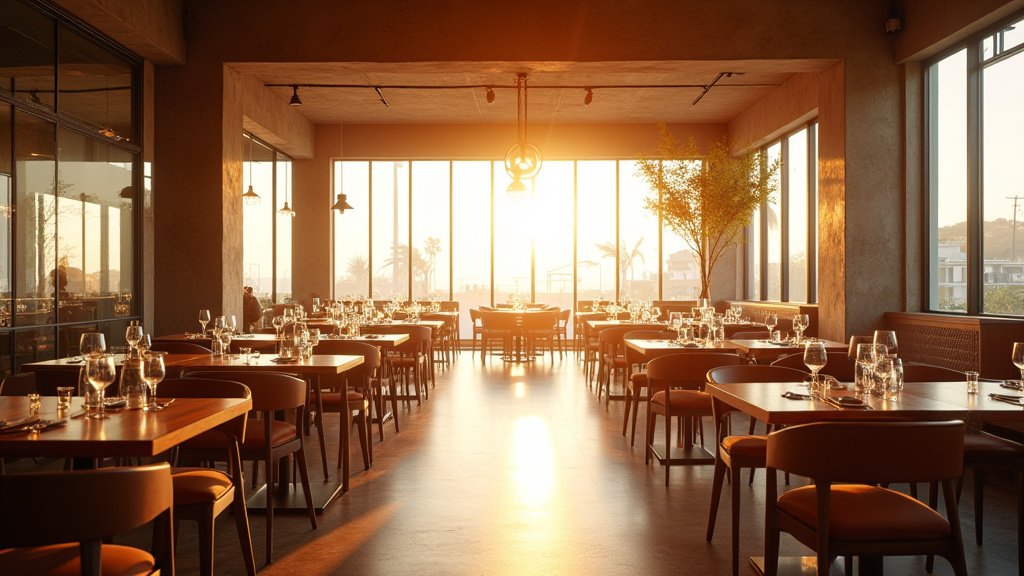
Operating in Venice requires a different mindset than in Downtown L.A. or Fairfax. The aesthetic of this new space is a departure from the gritty, urban vibe of previous locations, leaning into the airy, light-drenched reality of the beachside community. The interior design reflects this, using warm woods and open layouts that invite the outside in. This architectural adaptation proves that the brand is not a “cookie-cutter” chain, but a living, breathing entity capable of adjusting its environment to suit its local demographics.
The Secondary Angles of Growth
To understand the magnitude of this move, we must look at the secondary impacts. First, there is the socio-economic angle: the gentrification of Venice has historically been met with apprehension by the local community. By introducing a brand that is culturally rooted yet commercially ambitious, the Mahendros are navigating the delicate balance of becoming a “neighborhood staple” rather than an “outsider intrusion.”
Second, consider the psychology of fusion. In the 2000s, fusion was often criticized as a dilution of culture. Today, in the hands of chefs like the Mahendros, it is viewed as a celebration of the duality of the immigrant experience. The menu is an autobiography, telling the story of growing up in two worlds and refusing to choose between them.
Finally, there is the operational reality. Expanding a restaurant in California’s post-pandemic economy is a Herculean task. Labor shortages, supply chain volatility, and shifting consumer habits have decimated many legacy restaurants. The fact that Badmaash is not just surviving but thriving by opening a new, high-concept location suggests that their business model—highly adaptable, digitally native, and quality-obsessed—is the blueprint for the next decade of hospitality.
FAQ: People Also Ask
Q: What is the defining dish at the new Badmaash Venice location?
A: The Masala Steak Frites is widely considered the standout dish, effectively merging French-bistro style presentation with vibrant, house-blended Indian spices.
Q: How does the new location differ from the original Badmaash?
A: While maintaining the core identity of “second-generation” Indian cuisine, the Venice location leans into a more coastal, airy aesthetic to match the local atmosphere, and features an expanded, more adventurous cocktail program.
Q: Is the restaurant family-owned?
A: Yes, Badmaash was founded by the Mahendro family, who remain deeply involved in the culinary direction and day-to-day operations of their locations.
Q: Are the chai cocktails non-alcoholic or alcoholic?
A: The menu features a mix, but the standout “chai cocktails” are alcoholic, utilizing high-quality spirits infused with traditional tea aromatics to pair with the savory menu items.