The United States is currently facing a significant meteorological event as a dynamic, late-season storm system pushes across the central and southern regions of the country this Sunday, April 12, 2026. Meteorologists and the National Weather Service have highlighted this system for its capacity to generate severe thunderstorms, high winds, and hazardous hail, particularly across portions of the Southern Plains, the Texas Hill Country, and moving toward the Upper Great Lakes. As millions of residents track the progression of this convective system, local emergency management agencies are urging caution for those in the path of the storm, specifically warning of potential power outages and road hazards created by rapid downpours and strong gusts.
Key Highlights
- Severe Risk Profiles: The Storm Prediction Center (SPC) has identified a Level 2 out of 5 risk for severe thunderstorms in parts of Central and Southern Texas.
- Primary Hazards: Forecasters are monitoring risks for large hail and damaging wind gusts capable of reaching 70 mph.
- Regional Impact: The storm is currently affecting the Texas I-35 corridor, with impacts extending toward the northern Rockies and Upper Great Lakes region.
- Timing: Multiple rounds of storms are expected throughout the day, with the initial wave occurring in the predawn hours and a secondary, more potent round anticipated by midday and late afternoon.
Meteorological Dynamics and Regional Forecasts
The storm system currently traversing the United States is a classic example of a complex, spring-time weather pattern, characterized by the interaction of a distinct upper-level low and a rich moisture fetch from the Gulf of Mexico. This interaction has created a high-instability environment across the Southern Plains, setting the stage for organized, severe convective activity.
Understanding the Atmospheric Trigger
The current meteorological analysis reveals a surface low developing across the northern High Plains. This system is acting as a catalyst, pulling a broad fetch of warm, moist air northward from the Gulf into the Plains and the Midwest. With dewpoints in the mid-50s to low-60s, the atmosphere in these regions is primed for rapid cloud development. This “warm sector” is providing the essential fuel for thunderstorms, while regional forcing for ascent is organizing these storms into potential supercells or larger convective clusters.
In the Southern Plains, particularly across Texas, the situation is complex. Early models showed considerable variability in the evolution of an ongoing Mesoscale Convective System (MCS). While initial morning showers served to stabilize the atmosphere temporarily in some areas, the rapid return of moisture and daytime heating is destabilizing the air mass once again, raising the potential for renewed storm development along residual outflow boundaries.
The Path of the Storm
For residents in the Texas Hill Country and the I-35 corridor, the weather pattern remains highly volatile. The transition from morning showers to afternoon sunshine is creating a “loaded gun” scenario, where the sun heats the ground, building convective available potential energy (CAPE) values, which storms can then exploit. This is not just a localized event; the system is tracking eastward, meaning communities in the path of this movement must remain vigilant. The northern Rockies are also experiencing their own subset of challenges, with mid-level moisture supporting strong, high-wind events, emphasizing that this is a broad, multi-regional weather threat.
Safety Protocols and Infrastructure Resilience
When faced with severe weather, understanding the difference between a “watch” and a “warning” is the first line of defense for any household. A watch means that conditions are favorable for the development of severe storms, and residents should keep an eye on the weather and be prepared to act. A warning, however, means that severe weather is occurring or is imminent, and immediate action is required.
Preparing for Power Outages and Hazards
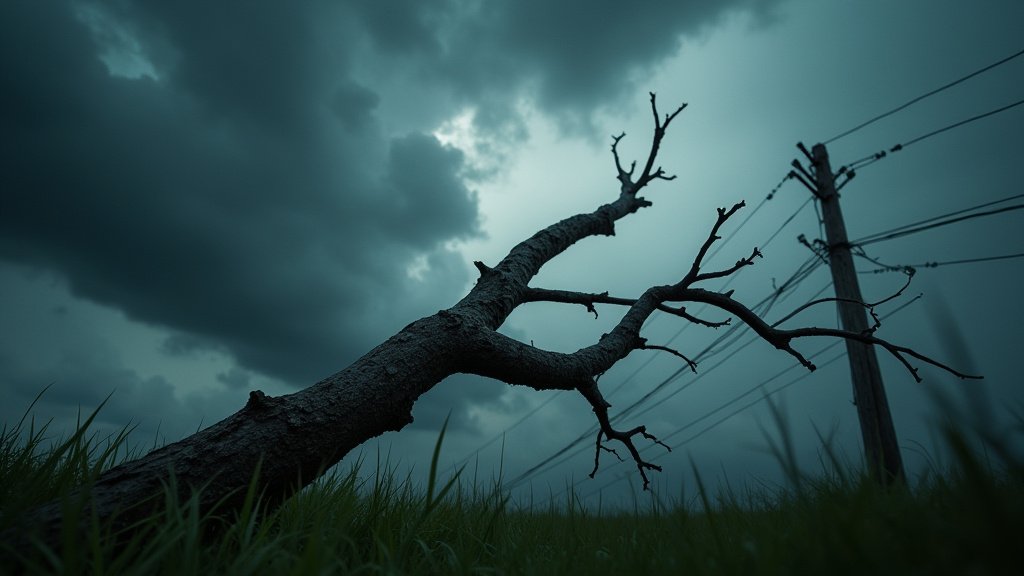
With wind gusts potentially reaching 70 mph, the risk of downed power lines and structural damage to trees is high. Residents are advised to secure loose outdoor furniture, grills, and trash cans that could become projectiles. For those living in areas prone to localized flooding, it is essential to avoid driving through standing water. The adage “Turn Around, Don’t Drown” remains the most effective advice for avoiding flood-related injuries during these events.
Infrastructure resilience is also a critical component of modern severe weather response. As utility companies monitor the storm’s path, they are prepositioning crews to respond to potential outages. However, the intensity of the winds expected in this specific system suggests that restoration times could be extended in rural areas where the storm’s wind field is most concentrated.
The Science of Late-Season Spring Storms
Spring in the United States is characterized by the transition between winter air masses and the onset of summer heat. This transition zone is the natural breeding ground for the country’s most severe weather. The clash of these air masses—cold, dry air from the north and warm, humid air from the south—creates an atmosphere ripe for deep convection.
Why April is a Peak Month
April is historically a peak time for severe weather in the Plains. The jet stream remains strong, providing the necessary wind shear to organize storms into rotating supercells, which are the primary producers of large hail and tornadoes. This year’s event is consistent with climatological norms for this time of year, yet the specific placement of the surface low this weekend has highlighted the vulnerability of Central Texas and the Midwest to these early-to-mid-season systems.
Climate and Long-Range Trends
While individual weather events cannot be solely attributed to climate trends, meteorologists are increasingly studying how the warming of the Gulf of Mexico affects the moisture supply available to these systems. An influx of warmer, more humid air can increase the latent heat available to storms, potentially increasing their intensity. As we track this weekend’s events, researchers are using this data to refine forecast models, aiming to provide earlier and more accurate warnings to the public. The reliance on advanced radar, such as dual-polarization technology, allows meteorologists to see the internal structure of storms, distinguishing between heavy rain, hail, and debris, which is vital for providing life-saving information during the storm’s peak.
FAQ: People Also Ask
Q: What is the difference between a severe thunderstorm watch and a warning?
A: A watch means that severe weather is possible in and near the watch area; you should remain alert. A warning means severe weather is occurring or is imminent in your specific area; you should take shelter immediately.
Q: Why does the weather in April become so violent in the Plains?
A: It is due to the collision of cold, dry air moving south from Canada and the Rockies with warm, moisture-rich air moving north from the Gulf of Mexico. This dynamic environment is highly conducive to storm development.
Q: What should I do if I am caught on the road during a severe storm?
A: If possible, pull over to a safe location (not under a bridge or overpass) away from trees or power lines. Keep your seatbelt on and stay inside the vehicle, keeping your head low below the windows to protect against potential broken glass or flying debris.