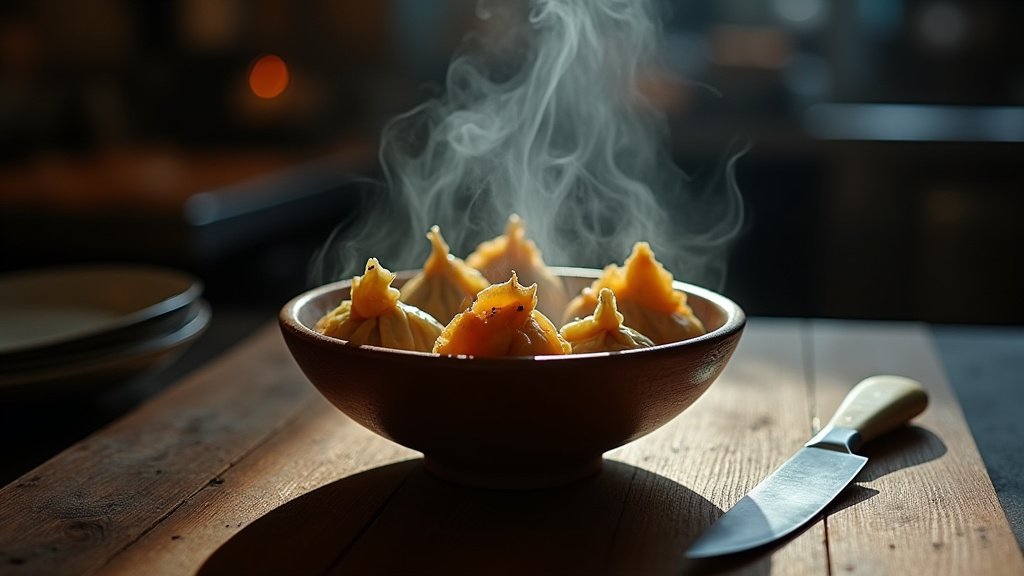
Michelin has officially expanded its California Guide, welcoming six Los Angeles restaurants that redefine the city’s culinary landscape—from an intimate 11-seat seafood counter to a Fairfax-based Uzbek kitchen. This mid-year update highlights the Michelin Guide’s evolving strategy: favoring diverse, chef-driven, and often casual concepts over the traditional white-tablecloth formality that once defined the prestigious list.
Key Highlights
- Six New Additions: The 2026 Michelin Guide has added six notable Los Angeles establishments, reflecting a shift toward neighborhood-centric, high-quality dining.
- Cultural Diversity: The list features a broad spectrum of cuisines, including rare Uzbek dishes at Zira Uzbek Kitchen, Italian-Korean fusion, Chinese-American re-interpretations, and Oaxacan tlayudas.
- Format Shift: The inclusion of counter-service spots and small-footprint eateries signals Michelin’s embrace of how modern diners actually eat—prioritizing technique and ingredient sourcing over square footage.
- The ‘New’ Status: These restaurants are currently recommended by Michelin and remain eligible for future Star or Bib Gourmand recognition, which will be announced at the annual ceremony later this year.
The New Guard: How Michelin is Redefining California Dining
The 2026 update to the Michelin Guide California is more than just a list of names; it is a declaration of intent. For decades, the guide was synonymous with high-end, European-style fine dining, characterized by excessive service, formal attire, and grand dining rooms. Today, that narrative has shifted. The latest additions to the Los Angeles selection represent a demographic and cultural shift, focusing on the “neighborhood gem”—the kind of place where locals might actually eat on a Tuesday night.
The Fairfax Breakthrough: Zira Uzbek Kitchen
Perhaps the most talked-about inclusion is Zira Uzbek Kitchen on Fairfax. For many Angelenos, Uzbek cuisine remains an underexplored frontier. Zira, run by husband-and-wife team Azim Rahmatov and Gulnigor “Gigi” Ganieva, brings the rich, comforting flavors of Central Asia to a city more famous for its tacos and sushi. The restaurant’s recognition by Michelin inspectors is a significant moment for the Uzbek community in L.A., elevating a cuisine often overlooked by mainstream critics. The ambiance—characterized by tile floors, stucco walls, and traditional ikat textiles—offers an immersive experience that aligns with the guide’s appreciation for authentic cultural storytelling.
The Rise of the Tasting Counter
While Zira brings heart, Corridor 109 brings precision. This 11-seat counter, tucked away behind the sister bar, Bar 109, is the epitome of the “hidden gem” narrative. Chef Brian Baik has curated an experience that is strictly focused on the raw beauty of seafood, largely sourced from Japan. The Michelin inspectors’ decision to include an 11-seat counter demonstrates a willingness to reward sheer culinary technique over the traditional amenities like a large wine cellar or valet parking. It is a win for the solo diner and the serious food enthusiast.
Genre-Bending Concepts: Firstborn and Lapaba
Los Angeles has long been a laboratory for fusion, and the guide’s latest entries double down on this identity. Firstborn, located in Chinatown’s Mandarin Plaza, allows chef Anthony Wang to present his version of Chinese-American cuisine. It is not an imitation of the past, but an evolution—a “first-generation” perspective that bridges the gap between heritage and modern Californian palates.
Similarly, Lapaba in Koreatown has caught the eye of the Michelin inspectors by masterfully blending Italian classics with Korean influences. In a city where fusion often risks becoming disjointed, Lapaba has found a lane that feels cohesive. Their approach, featuring dishes like bulgogi meatballs in a truffle tomato sauce, highlights the playful, creative spirit that is currently driving L.A.’s culinary boom.
Community and Sustainability
Little Fish Melrose Hill, which successfully transitioned from a pandemic pop-up to a permanent brick-and-mortar, represents the resilience and growth of the local scene. By focusing on sustainably sourced seafood and seasonal California produce, Little Fish aligns with the modern diner’s demand for transparency. Furthermore, the inclusion of Lugya’h by Poncho’s Tlayudas, a stall within Maydan Market, reinforces Michelin’s commitment to “street food” that offers exceptional value and flavor. It is a reminder that excellence isn’t defined by the price of the plate, but by the intent behind the preparation.
The Economic Impact of the Michelin Nods
When a restaurant is added to the Michelin Guide, the economic impact is immediate and quantifiable. It is not just about the prestige; it is about the “Michelin effect.” International travelers, food tourists, and local gourmands use the guide as their primary map for navigation. For a restaurant like Zira Uzbek Kitchen or a small stall like Lugya’h, this inclusion can act as a stabilizing force, driving consistent foot traffic that supports the thin margins of independent restaurant ownership. This recognition helps validate the business model of independent, chef-driven concepts in an increasingly difficult economic environment.
The Future of Culinary Tourism
This expansion also underscores a broader shift in culinary tourism. Travelers are no longer seeking out three-star white-tablecloth monuments; they are seeking out authentic cultural experiences. They want to know where the locals go. By expanding the list to include market stalls and counter-service counters, Michelin is essentially becoming a curator of the city’s soul. It is signaling to the world that if you want to understand Los Angeles, you don’t go to the most expensive hotel dining room—you go to Fairfax, you go to Chinatown, and you go to the unassuming counter in a market.
A Preview of the Ceremony
It is important to note that these six restaurants are “newly added” to the guide, not yet “starred.” They have been deemed worthy of a recommendation, which puts them in a competitive pool for stars, Bib Gourmands, or even Green Stars (for environmental sustainability) when the final awards ceremony takes place later this year. This mid-year update serves as a teaser, allowing the public to experience these spots before the stampede that inevitably follows a Michelin Star announcement. It is a reward for the early adopters and the curious diners who keep the city’s culinary pulse beating.
FAQ: People Also Ask
1. Does being added to the Michelin Guide mean these restaurants have a Michelin Star?
No. These restaurants have been added to the Guide’s selection, which serves as a recommendation. They are now eligible for future awards, such as a Michelin Star or a Bib Gourmand, which will be determined and announced at the official Michelin Guide California ceremony later this year.
2. How often does Michelin update the guide?
Michelin typically updates its digital guide on a rolling basis, often revealing new additions twice a year to keep the information current and relevant, rather than waiting exclusively for the annual print-style publication cycle.
3. What is the significance of the ‘New’ designation for these restaurants?
It signals to the public that Michelin inspectors have visited and vetted these establishments, deeming them high-quality enough to be included in their official database. It is a major validation for the chefs and owners, often leading to increased reservations and media attention.
4. Why did Michelin choose to highlight these specific, smaller-scale restaurants?
There is a global trend toward casual, authentic dining. Inspectors are increasingly looking for spots that reflect the true culinary landscape of a city, which often involves neighborhood staples, counter-service concepts, and family-run operations rather than just traditional fine-dining establishments.