Internal records reviewed by Reuters and other outlets confirm that U.S. Immigration and Customs Enforcement (ICE) has arrested more than 800 people following tips provided by the Transportation Security Administration (TSA). This revelation highlights a dramatic shift in the operational relationship between the two Department of Homeland Security (DHS) agencies, moving beyond traditional counterterrorism vetting toward proactive interior immigration enforcement at domestic travel hubs.
Key Highlights
- Intelligence Sharing: The TSA’s ‘Secure Flight’ program, historically designed to mitigate aviation security threats, was utilized to flag and track over 31,000 travelers, leading to the arrest of more than 800 individuals.
- Shift in Mandate: Experts and critics point to a clear case of mission drift, where security screening protocols are increasingly repurposed to support broad deportation agendas.
- Congressional Backlash: Lawmakers, including Senators Alex Padilla and Adam Schiff, have launched inquiries, demanding transparency regarding data-sharing policies and the potential impact on public trust in transportation security.
The Intersection of Aviation Security and Immigration Enforcement
For decades, the American public has understood the Transportation Security Administration’s primary mandate as the protection of the civil aviation system against terrorism and catastrophic threats. The ‘Secure Flight’ program was the cornerstone of this mission, tasked with vetting passenger data against watchlists to prevent high-risk individuals from boarding aircraft. However, recent data disclosures from the current administration indicate that this infrastructure has been quietly repurposed as a powerful tool for ICE’s Enforcement and Removal Operations (ERO).
The Mechanics of the Pipeline
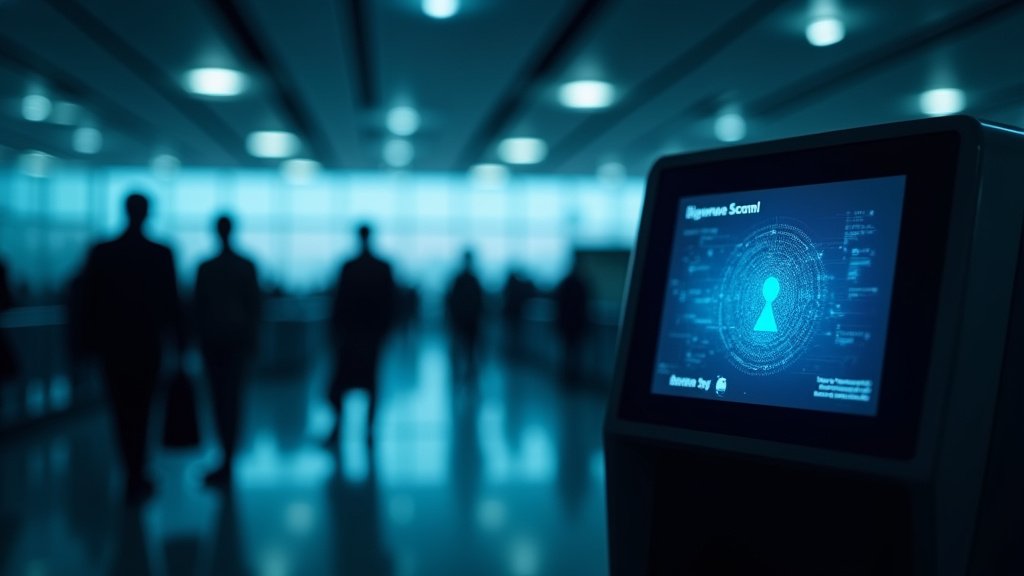
The process described in the internal documents is largely automated. As passengers check into flights within the United States, their data flows through the Secure Flight screening process. In a significant policy departure, this data is now being cross-referenced with immigration enforcement databases. When a flag is raised—often based on civil immigration violations rather than acute security threats—ICE is notified. This information allows federal agents to position themselves at arrival terminals, effectively turning the airport checkpoint into an enforcement gateway.
This integration creates a pervasive surveillance environment. Critics argue that when the public believes airport security is strictly about safety, the use of that data for civil immigration enforcement is a ‘bait-and-switch’ tactic that compromises the integrity of the TSA. If passengers believe that walking through a security line exposes them to civil arrest, it may alter travel patterns and introduce unnecessary friction into the national transit system, potentially diverting TSA resources away from genuine security threats.
Mission Drift: From Terrorism to Deportation
The evolution of the Secure Flight program is a textbook example of ‘mission drift’—a phenomenon where the scope of a government agency’s authority expands beyond its original legislative intent. While the DHS argues that it holds broad authority to coordinate between its sub-agencies, the scale of this operation (over 31,000 travelers scrutinized for immigration purposes) suggests a systemic, rather than ad-hoc, collaboration.
This shift raises profound questions about privacy and civil liberties. The average traveler does not consent to their data being used for immigration enforcement when they purchase a ticket. By blurring these lines, the government risks eroding the ‘social contract’ that keeps aviation security operational. If the public loses trust in the TSA as an impartial security body, compliance with screening procedures may falter, creating new, unforeseen risks in the aviation ecosystem.
Congressional Oversight and Future Implications
The political fallout from these revelations has been swift. Senator Alex Padilla and Representative Adam Schiff have spearheaded an inquiry into the DHS, seeking a full briefing on the legality and policy framework governing this data exchange. Their concerns are not merely about the specific arrests, but about the precedent being set.
If the executive branch can leverage domestic infrastructure—like airports, train stations, or highways—to perform civil immigration sweeps, the nature of American domestic travel changes permanently. The inquiry seeks to establish a ‘red line’: where does federal security assistance end, and where does intrusive surveillance begin? As the administration defends these actions as vital for national sovereignty and law enforcement efficiency, the legislative branch is tasked with determining if such inter-agency cooperation requires new, explicit authorization from Congress.
Looking ahead, the long-term economic impact remains to be seen. If travel becomes a source of anxiety for large swaths of the population, the tourism and business travel sectors may suffer. Furthermore, the reliance on automation in this data-sharing process increases the risk of ‘false positives’—individuals erroneously flagged due to database errors, outdated information, or name mismatches—potentially leading to wrongful detentions and legal battles that the government is ill-equipped to handle efficiently.
FAQ: People Also Ask
Q: Is it legal for the TSA to share passenger data with ICE?
A: Both agencies operate under the Department of Homeland Security (DHS), which generally allows for data sharing between internal components. However, legal experts and lawmakers are challenging whether this specific use—targeting civil immigration violators rather than terrorism suspects—exceeds the statutory authority of the Secure Flight program.
Q: Should travelers be concerned about being arrested at the airport?
A: Advocacy groups have issued warnings that travelers with known civil immigration violations or those who are in the country without active legal status are at higher risk. While most travelers are not affected, the incident reporting suggests that airports are no longer the ‘safe zones’ they were once perceived to be.
Q: What is the ‘Secure Flight’ program?
A: Secure Flight is a risk-based passenger prescreening program that compares passenger information against federal watchlists to identify known or suspected terrorists. It was established post-9/11 to secure the nation’s aviation system.
Q: How are lawmakers responding to these reports?
A: There is significant pushback from Democratic lawmakers, who have launched formal inquiries into the DHS. They are demanding transparency regarding the data-sharing agreements and questioning the impact on civil rights and airport operations.