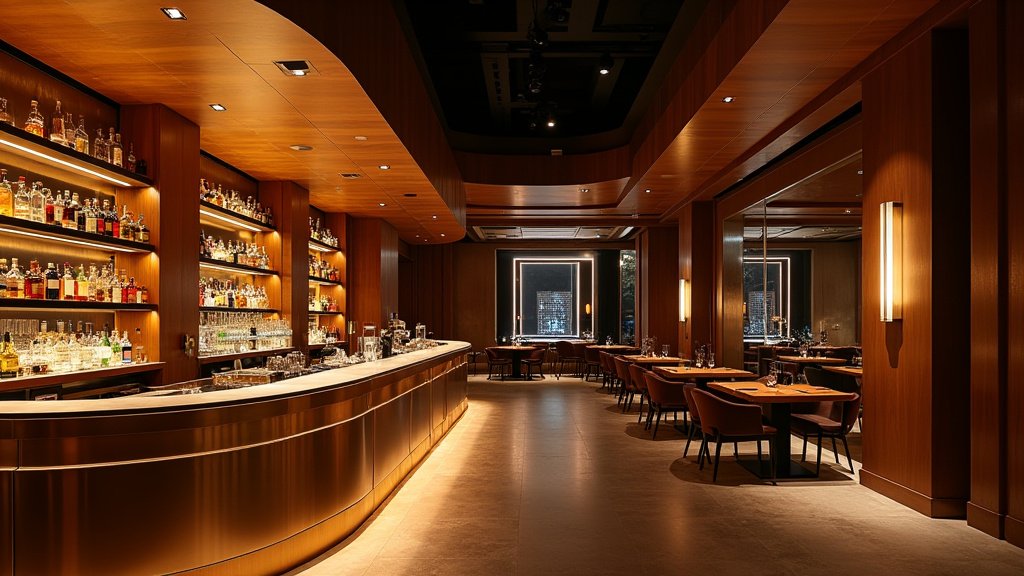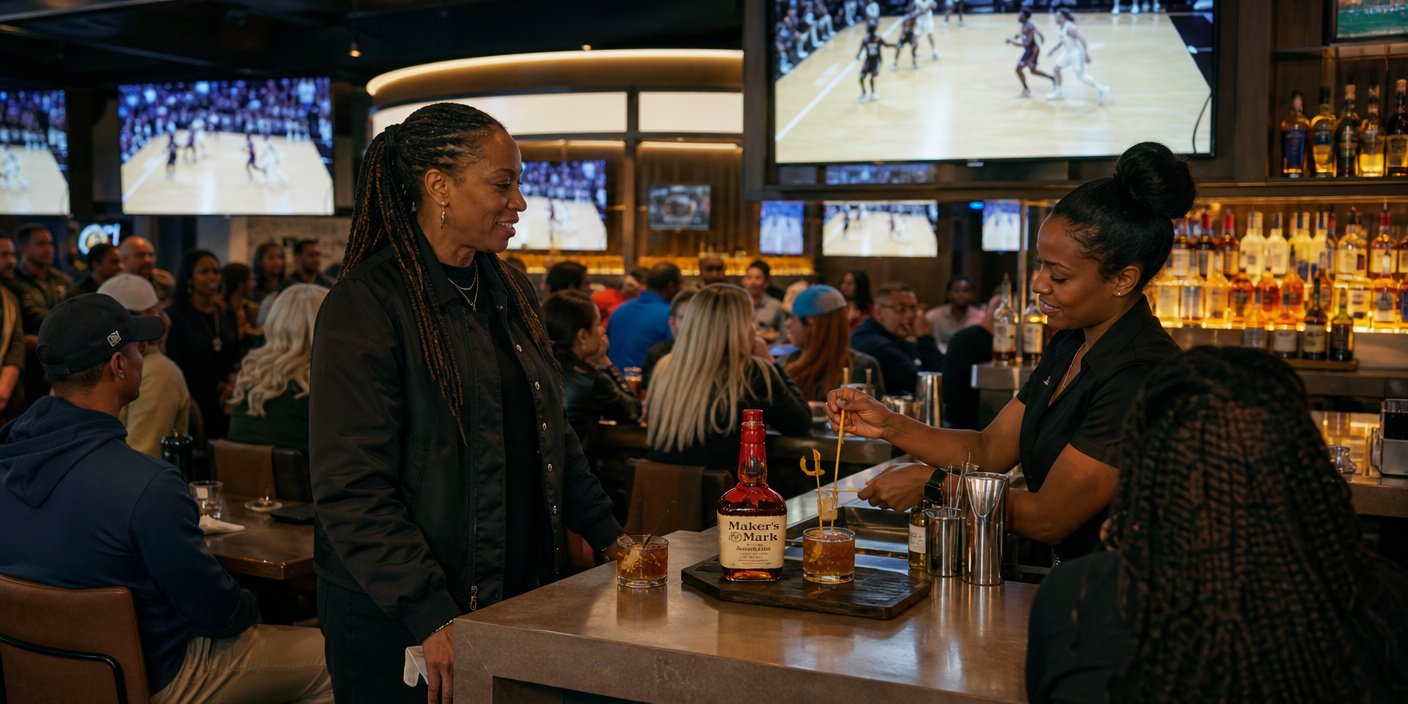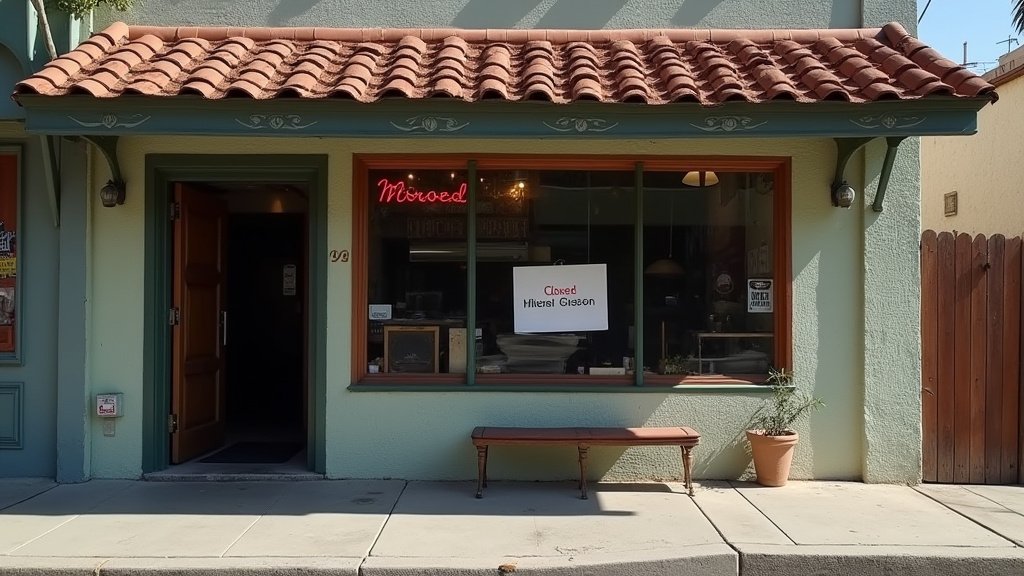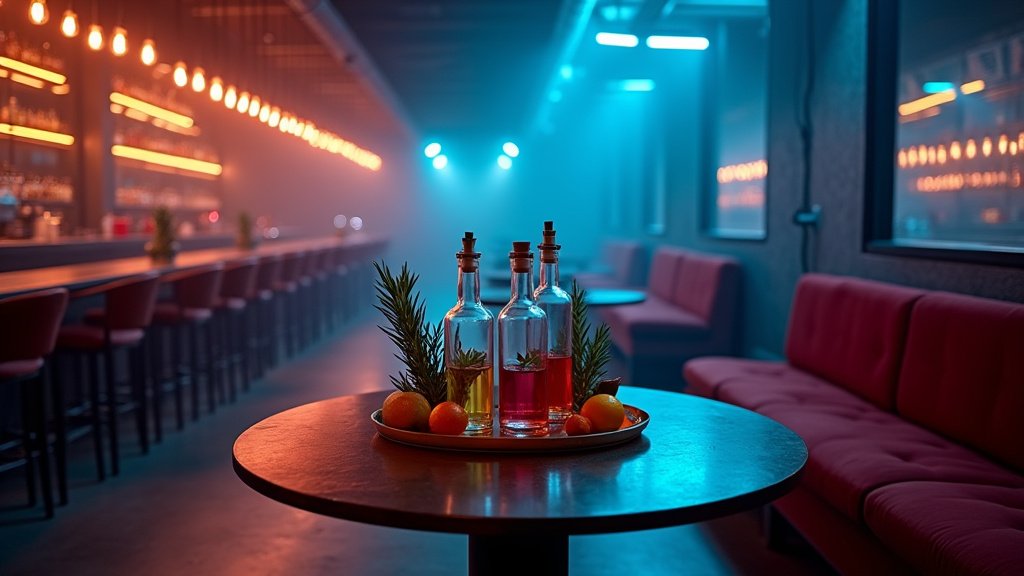
Los Angeles has become a primary testing ground for the sober-curious movement, but recent industry trends reveal a stark financial reality: booming interest in non-alcoholic (NA) products does not necessarily equate to success for standalone alcohol-free venues. While Americans are increasingly opting out of alcohol—with national Gallup polls indicating that adult drinking rates are near historic lows—several high-profile LA sober bars have either closed their doors or pivoted entirely to online retail since 2024. The phenomenon highlights a significant disconnect between the surging retail demand for alcohol-free spirits and the operational challenges of maintaining an on-premise “dry bar” model in a competitive nightlife ecosystem.
The ‘Victim of Success’ Phenomenon
Industry analysts and bar owners alike suggest that these specialized venues may be victims of their own success. By helping to normalize and popularize high-quality non-alcoholic beverages, these pioneers have effectively created a market that is now being captured by traditional retailers and existing bars. Today, big-box stores and boutique grocers stock a vast array of NA spirits and ready-to-drink mocktails at competitive prices. Furthermore, conventional bars and speakeasies across Los Angeles have aggressively updated their menus to include sophisticated, well-balanced non-alcoholic options, effectively cannibalizing the market share that standalone dry bars once hoped to secure. For many consumers, the preference has shifted toward “zebra striping”—the act of interchanging alcoholic and non-alcoholic drinks within a single night out—a behavior that favors versatile, multi-purpose establishments over venues that explicitly forbid alcohol.
The Economic Math of Sobriety
Running a hospitality business is notoriously capital-intensive, and the economics of sober bars have proven particularly fragile. Without the high-margin revenue typically generated by alcoholic spirits, these venues face immense pressure to drive volume through other means. Operators have cited challenges in attracting a loyal, repeat customer base, as the “sober-curious” demographic often treats these venues as novelty destinations rather than habitual “third spaces.” Consequently, bars that rely solely on drink sales often find themselves unable to cover the overhead of prime real estate in cities like Los Angeles. The successful survivors in the space are increasingly adopting diversified revenue streams, such as integrating food service, hosting ticketed community events, and functioning as retail bottle shops to supplement their bottom line.
Evolving Nightlife Expectations
Beyond the balance sheet, there is an experiential hurdle. Modern nightlife consumers are increasingly seeking value-added experiences rather than just a place to consume a beverage. Whether it is comedy nights, game-focused socialization, or curated community events, the bar of the future must offer a compelling reason for customers to leave their homes. The struggle for LA’s sober bars is not that the demand for alcohol-free living has evaporated; rather, it is a refinement of how and where that lifestyle is practiced. As the market matures, the “dry bar” concept is shifting from a standalone novelty toward an integrated feature of broader, experience-led hospitality models, signaling that the future of sober nightlife may be less about the prohibition of alcohol and more about the expansion of choice.