Inglewood’s downtown still struggles to reach its full potential, creating a race against time for city planners and business owners as they look toward the looming arrival of the 2026 World Cup and the 2027 Super Bowl. While the area surrounding the SoFi Stadium has seen massive investment and transformation, the historic heart of the city remains a patchwork of potential and neglect, prompting urgent questions about whether the area can successfully revitalize before the global spotlight intensifies.
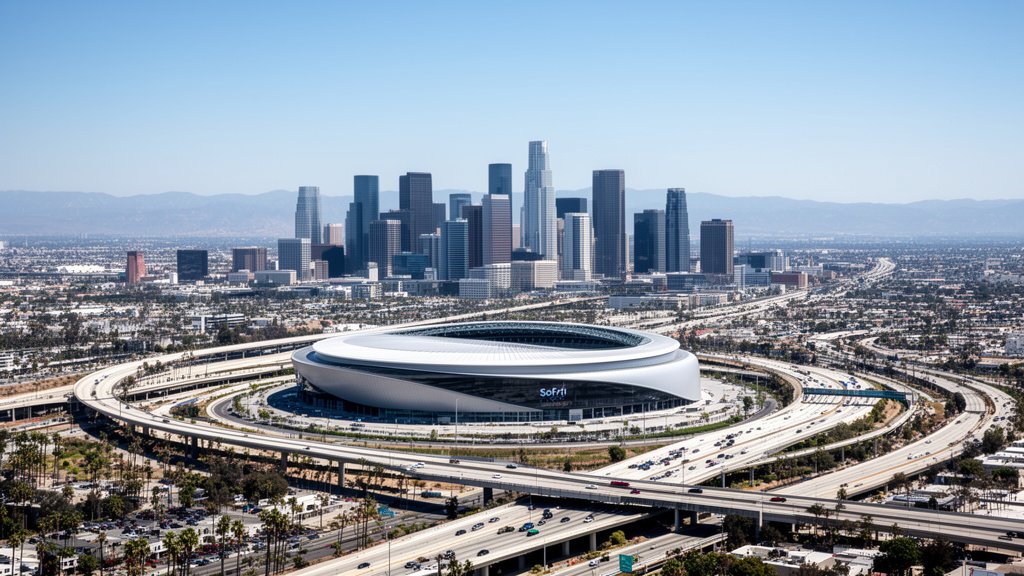
- SoFi Stadium and the Intuit Dome serve as economic anchors, yet their influence on the adjacent historic downtown district remains inconsistent.
- Local business owners express concerns over high rents and the slow pace of pedestrian-friendly infrastructure development.
- City officials are accelerating permit approvals and small business grant programs to spark commercial interest.
- The upcoming 2026 World Cup and 2027 Super Bowl act as a catalyst for infrastructure deadlines, creating a high-pressure environment for urban planning.
The Deep Dive
The Economic Disconnect
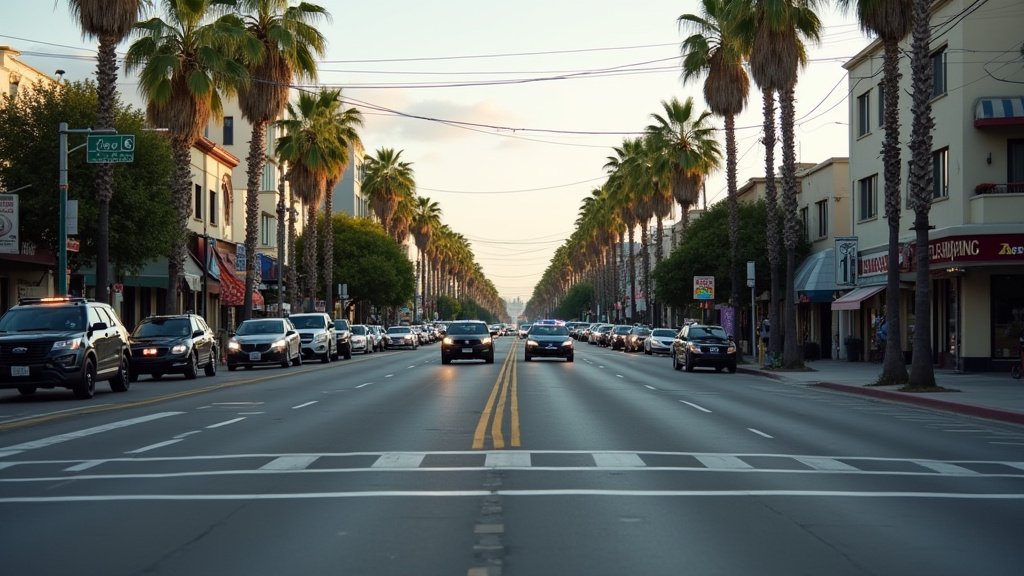
For decades, Inglewood’s downtown corridor—specifically along Market Street—has been a focal point for city leadership, but the narrative has been one of stop-and-start progress. The disparity between the shiny, multi-billion dollar sports and entertainment complexes on the city’s perimeter and the aging infrastructure of the downtown core is stark. While visitors flock to the area for concerts and games, the current lack of high-end retail, diverse dining, and walkability options means much of that foot traffic bypasses the historic shopping district entirely. The challenge for local government is not just building, but bridging the gap between “event-day tourism” and a sustainable, daily economy that serves local residents while enticing the thousands of tourists who will descend on the region for the upcoming international events.
The Infrastructure Paradox
Infrastructure remains the primary bottleneck. Streets designed decades ago are struggling to handle the modern influx of ride-shares, increased vehicle traffic, and the need for high-density pedestrian zones. City planners are currently tasked with a logistical nightmare: upgrading transit connectivity and streetscapes while maintaining the historic integrity of the area. There is a palpable pressure to present a “polished” Inglewood to the world by 2026. However, critics argue that the focus on rapid development may inadvertently lead to gentrification that displaces long-term small business owners who are the lifeblood of the downtown district. The tension between necessary modernization and cultural preservation is the defining issue for the city council as the clock ticks.
Can Momentum be Maintained?
The real test will be whether the temporary influx of cash and visitors during the World Cup and Super Bowl translates into long-term commercial interest. Historically, “stadium-driven development” has a mixed track record. For Inglewood to succeed, it must leverage these global events as a springboard for permanent commercial diversification. If the city can incentivize new businesses—specifically those that appeal to younger demographics and international visitors—it could create a momentum that lasts well beyond the final whistle of the 2027 Super Bowl. The local government’s strategy relies heavily on private-public partnerships to bridge funding gaps, but investors remain cautious. They are waiting for visible, sustained growth before fully committing to the long-term vision of a bustling downtown hub. As we move closer to these global milestones, the question remains: is Inglewood ready to transform from a transit point into a destination?
FAQ: People Also Ask
Why is Inglewood’s downtown area struggling despite the stadium growth?
The disparity exists because the stadium district is a private, curated development, while the historic downtown faces complex infrastructure issues, parking challenges, and a lack of modern commercial tenants, creating a gap between the two zones.
What are the key events driving the pressure for revitalization?
The 2026 FIFA World Cup and the 2027 Super Bowl are major drivers, as the city aims to improve its international image and capture revenue from the millions of visitors expected.
How is the city attempting to bridge the gap between stadium visitors and local business?
The city is using accelerated permit processes, small business grant programs, and improved transit initiatives to encourage business growth and increase pedestrian flow toward the historic center.