A pivotal study suggests that updating building codes and rebuilding Los Angeles to wildfire safety standards could significantly reduce future property damage and economic losses, potentially transforming how the region manages increasing climate-related risks. As California grapples with an escalating frequency of extreme weather events, researchers are pointing toward structural resilience as the primary defense against the devastating financial and physical impacts of wildfires in urban-wildland interface areas.
- Retrofitting existing structures with fire-resistant materials, such as non-combustible roofing and ember-resistant vents, is identified as a cost-effective strategy.
- The study highlights that land-use planning, specifically restricting high-density development in the highest-risk fire zones, is crucial for long-term safety.
- Adopting stringent building standards could lead to lower insurance premiums and better long-term property valuation stability in fire-prone regions.
- Experts argue that while initial investment costs are higher, the long-term reduction in fire suppression expenditures and emergency management costs provides a compelling return on investment for the municipality.
The Deep Dive
Assessing the Current Vulnerability
Los Angeles, characterized by its sprawling geography and integration with natural landscapes, remains uniquely vulnerable to wildfire encroachment. Historically, much of the city’s suburban expansion occurred without the foresight of modern climate modeling, leaving vast swathes of residential property exposed to wind-driven embers. The recent study emphasizes that current building codes, while improved, often do not account for the extreme fire behaviors now observed due to prolonged drought and heightened temperatures. By analyzing patterns from past catastrophic fire seasons, researchers mapped potential future damages and found that the concentration of vulnerable infrastructure is the primary driver of economic volatility.
The Economics of Resilience
Building to modern wildfire safety standards is often perceived as an expensive hurdle for developers and homeowners. However, the study shifts this narrative by framing it as an essential economic mitigation strategy. When a home is constructed with fire-resistant materials—such as tempered glazing, fire-rated exterior siding, and hardened vegetation management zones—the probability of total structure loss decreases exponentially during a wildfire event. This risk reduction is not just a safety benefit; it is a financial one. Insurance companies are increasingly adjusting premiums based on community-wide resilience, meaning that adopting these standards could stabilize the skyrocketing cost of living in wildfire-prone areas of Los Angeles. Furthermore, the public sector stands to gain by reducing the enormous fiscal burden of firefighting, debris removal, and post-fire disaster recovery efforts.
Infrastructure and Land Use Integration
Beyond individual home hardening, the study calls for a holistic approach to land-use planning. Urban planning in Los Angeles must evolve to treat wildfire safety as a baseline requirement rather than an afterthought. This includes the creation of defensible space corridors, the implementation of microgrid technologies to prevent power-line sparked fires, and better integration of emergency access routes in hillside communities. The research suggests that by aligning municipal infrastructure projects with fire-safety benchmarks, Los Angeles can create a sustainable buffer between urban centers and high-risk wildland areas. This proactive stance would not only protect life and property but also ensure that the region remains habitable and economically vibrant in a changing climate.
Implementing the Change
The pathway to widespread adoption involves a combination of regulatory mandates, incentives, and public awareness. While stricter building codes are essential, the study highlights the need for financial support mechanisms for lower-income homeowners to retrofit their properties. Without equitable access to these safety measures, the resilience gap between different economic strata will widen, creating pockets of extreme vulnerability. Policy makers are encouraged to explore tax incentives, subsidized loans, and phased-in code requirements to facilitate a transition that is both rapid and inclusive. Ultimately, the study concludes that re-imagining Los Angeles through the lens of fire safety is not merely a technical challenge, but a fundamental imperative for the city’s long-term survival.
FAQ: People Also Ask
What are the main components of wildfire safety standards for homes?
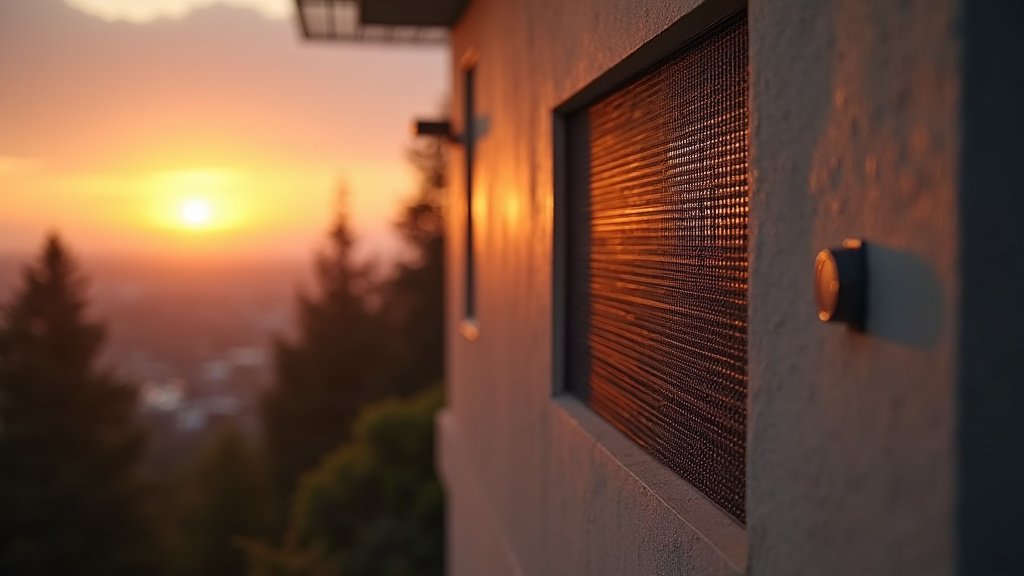
Key components include installing non-combustible roofing materials, using fire-resistant exterior siding, ensuring windows are double-paned with tempered glass, installing fine-mesh screens on vents to keep out embers, and maintaining a defensible space around the property.
Why does building to wildfire standards reduce insurance premiums?
Insurance providers assess risk based on physical vulnerability. Homes built or retrofitted to modern wildfire codes have a lower statistical probability of sustaining significant damage during a fire, which allows insurers to offer more competitive rates compared to properties in high-risk zones that have not been hardened.
How does land-use planning impact wildfire risk in Los Angeles?
Land-use planning mitigates risk by controlling where new development is permitted, ensuring that high-density residential areas are not located in high-fire-hazard severity zones, and creating greenbelts or defensible space buffers between urban areas and wildlands.