The Emergence of a New Creative Corridor
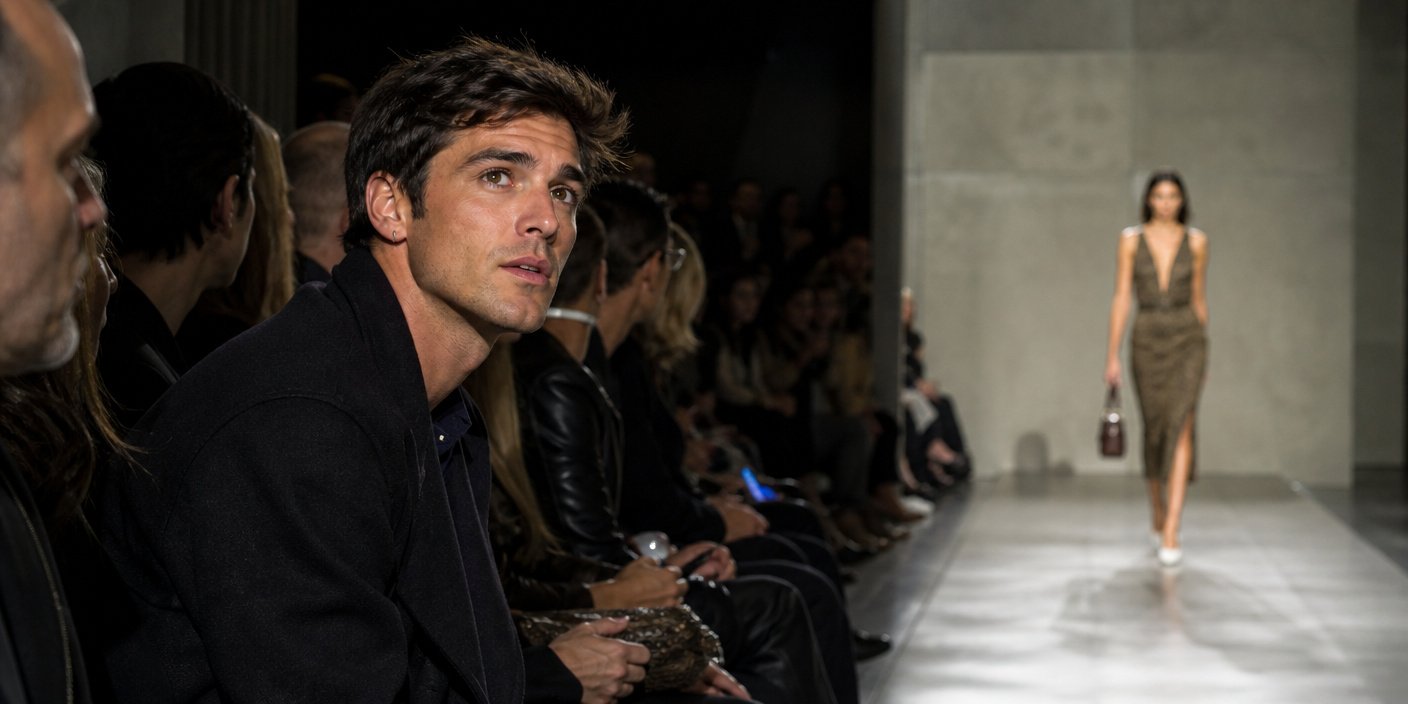
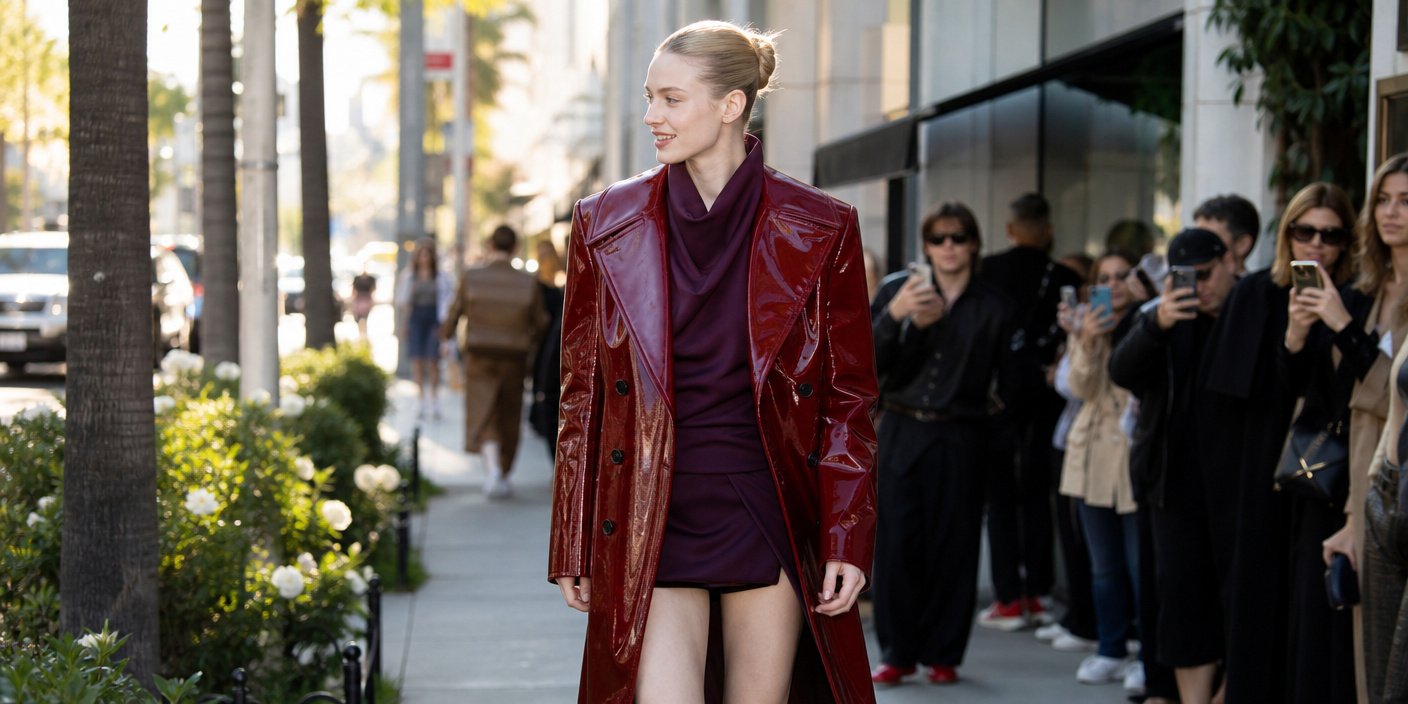
Melrose Hill, long regarded as a quiet transition zone between the bustling retail of Melrose Avenue and the industrial grit of East Hollywood, has officially emerged as the epicenter of Los Angeles’ burgeoning creative class. This unique enclave is currently experiencing an unprecedented synergy, as independent fashion designers and fine art curators converge to establish a destination that feels distinct from the mainstream saturation of the West Side. The neighborhood’s blend of historic architecture, light-industrial studio spaces, and relatively accessible real estate has provided the perfect canvas for a new generation of entrepreneurs who prioritize community-led growth over corporate commercialization.
Where Stitching Meets Sculpture
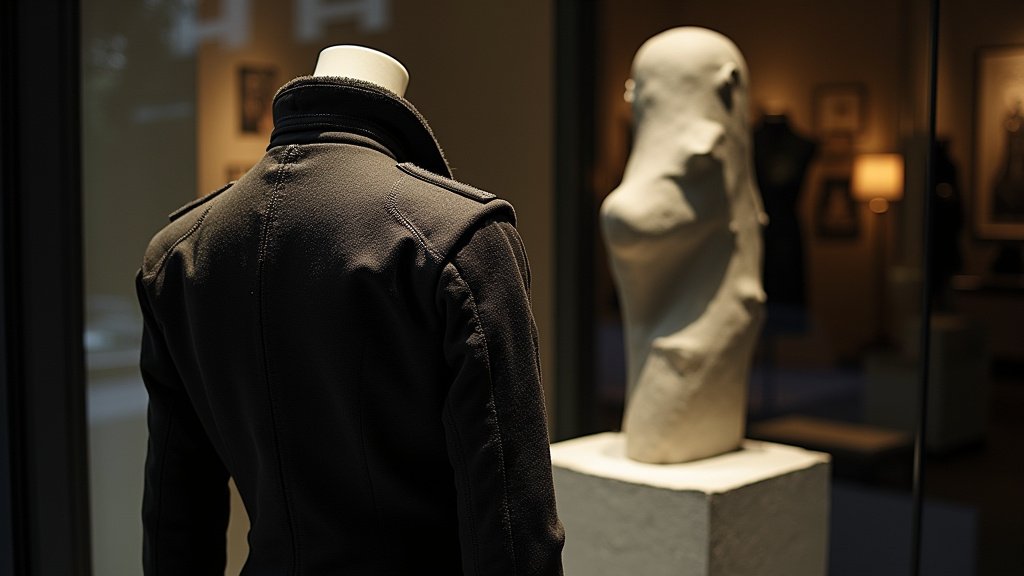
At the heart of the movement is a deliberate blurring of traditional industry lines. Independent fashion labels operating in the area are increasingly choosing to host pop-up gallery shows alongside seasonal collection launches, while emerging contemporary art galleries are incorporating apparel and lifestyle goods into their curated exhibits. This cross-pollination is not merely an aesthetic choice; it is a strategic response to the changing landscape of the LA consumer experience. Shoppers are seeking intimacy and narrative, and Melrose Hill’s intimate storefronts offer a level of curation that larger luxury districts cannot replicate.
The Economic Impact of Independent Retail
This artistic pivot has triggered a notable shift in the local economic landscape. The influx of high-concept boutiques and artist-run studios has begun to reshape foot traffic patterns, drawing a demographic that values provenance, limited-edition runs, and sustainable production methods. For these designers, the physical retail space is no longer just a sales floor; it is a manifestation of their brand ethos. By operating within a neighborhood that celebrates this marriage of art and fashion, these creators are building a resilient ecosystem that thrives on the cross-referencing of audiences, ultimately establishing Melrose Hill as a legitimate rival to established cultural hubs like Culver City’s Arts District or the Arts District in Downtown LA.
Sustaining the Neighborhood Vibe
As interest in the area continues to rise, the challenge remains for the community to maintain its authentic, underground edge. The current narrative in Melrose Hill emphasizes grassroots collaboration over top-down development. Designers and gallery owners are actively engaging with the local zoning boards and neighborhood councils to ensure that the expansion of the district remains supportive of small, independent businesses. This proactive approach to urban planning, driven by the very artists that have made the area desirable, suggests that Melrose Hill will likely maintain its unique identity even as its global reputation continues to grow. As more eyes turn toward this slice of Los Angeles, it stands as a case study in how fashion and fine arts can mutually benefit from proximity and shared vision.