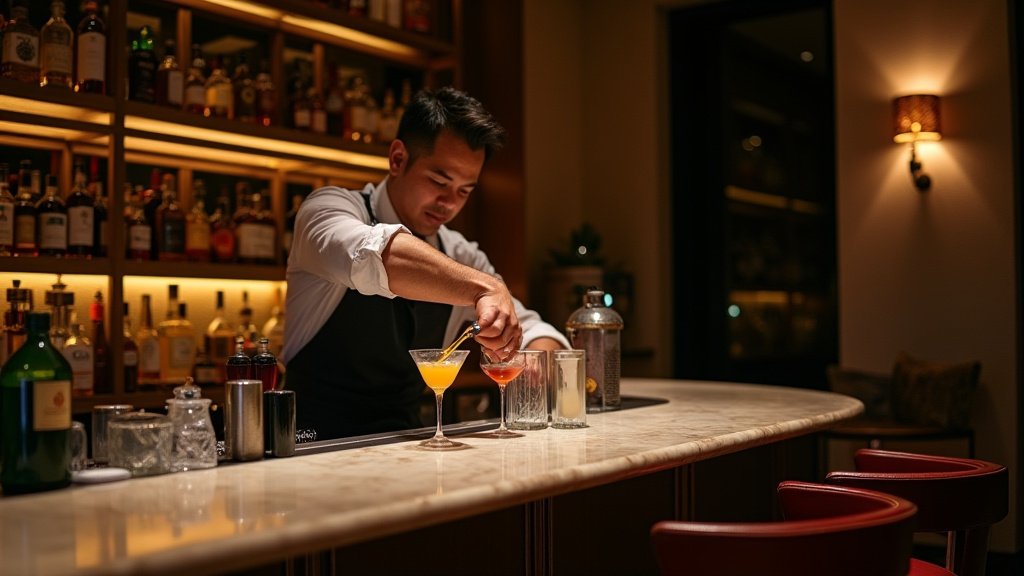

California lawmakers are pushing forward with Assembly Bill 342 (AB 342), a legislative proposal that could significantly alter the state’s nightlife landscape by allowing designated “hospitality zones” to extend last call to 4 a.m. on Fridays, Saturdays, and state holidays. This move represents a substantial departure from the current 2 a.m. cutoff and is championed by proponents as a vital tool for economic revitalization and urban recovery. The bill, which has advanced through the Assembly and is now under Senate review, aims to empower local governments to create these special zones, but their implementation will be entirely optional and subject to rigorous local planning and approval processes. The core argument for AB 342 centers on the belief that a more robust nightlife can stimulate economic activity, drawing more people to downtown areas, supporting businesses across various sectors, and making California cities more competitive on a national and international scale. Proponents highlight that many urban centers are still grappling with the economic repercussions of the COVID-19 pandemic, and extending operating hours could provide a much-needed boost. Assemblymember Matt Haney, a key figure behind the bill, emphasizes that thriving cities need vibrant nighttime economies to complement their daytime offerings. He points to the success of other global cities with later operating hours as a model for California. While the prospect of extended hours brings excitement for the hospitality industry, the bill also includes measures to address potential public safety and logistical concerns. Local authorities would need to meticulously plan for each hospitality zone, considering factors such as public safety infrastructure, transportation access, and the overall cultural and economic suitability of the area. Businesses seeking to operate under the extended hours would also be required to obtain special permits and pay associated fees. This legislative effort follows previous attempts to extend last call hours in California, some of which were met with gubernatorial vetoes due to concerns about increased risks of drunk driving and public disorder. However, the current iteration of the bill incorporates stricter zoning requirements and a more localized, opt-in approach, which supporters hope will make it more palatable to legislators and address past objections. If passed, AB 342 would take effect starting June 1, 2026, and would sunset in 2031, offering a trial period to assess its impact. The decision to establish and manage these zones would ultimately rest with individual cities, ensuring that any changes are tailored to the specific needs and conditions of each community. The bill’s progression through the legislature indicates a growing consensus on the need for innovative solutions to support California’s economic recovery and enhance its appeal as a destination for tourism and entertainment.
Key Provisions and Economic Outlook
The proposed legislation, AB 342, outlines a framework for cities to establish “hospitality zones” where licensed establishments could serve alcohol until 4 a.m. on Fridays, Saturdays, and state holidays. This significant extension from the current 2 a.m. last call is seen by its advocates as a powerful catalyst for economic growth. Assemblymember Mark Gonzalez highlighted the bill as a “once-in-a-generation opportunity to reimagine what downtown will be,” particularly in light of upcoming major international events like the 2026 World Cup and the 2028 Olympics. The potential for increased foot traffic and revenue is a primary driver, with proponents arguing that longer operating hours will benefit not only bars and restaurants but also ancillary businesses such as retail, arts venues, and the broader service industry. This initiative directly addresses the ongoing challenges faced by many downtown areas in recovering from the economic downturn exacerbated by the COVID-19 pandemic. Assemblymember Matt Haney, a leading proponent, has consistently stressed the importance of a “world-class nightlife” for attracting visitors and residents alike, drawing parallels to successful nightlife economies in other major global cities. The bill is designed to foster this by creating an environment where businesses can operate later, potentially reducing the “ghost town” effect that many downtowns experience after business hours.
Addressing Safety and Implementation Challenges
Concerns regarding public safety and potential increases in issues like drunk driving have historically been significant hurdles for legislation of this nature. To mitigate these concerns, AB 342 includes robust provisions that place considerable oversight on local governments. Cities that choose to designate hospitality zones must conduct thorough planning, including assessing public safety resources, ensuring adequate transportation access, and considering the cultural and economic impact on the community. Businesses within these zones would need to apply for special permits, pay a non-refundable application fee, and adhere to specific operational guidelines. This structured approach aims to ensure that extended hours are implemented responsibly and in areas where they can be effectively managed and beneficial. Previous attempts to extend last call have been vetoed, partly due to fears of increased “mischief” and mayhem. However, proponents of AB 342 argue that well-managed and regulated zones, with increased presence of people and security, can actually deter criminal activity by eliminating dark, underutilized spaces. The bill also includes a sunset clause, allowing for an evaluation of its effectiveness and impact before its final expiration, providing a mechanism for adjustments if necessary.
Legislative Journey and Future Outlook
Assembly Bill 342 has successfully passed the Assembly and is currently being deliberated in the Senate. Its journey through the legislative process involves review by committees and a final vote in the Senate before potentially reaching Governor Gavin Newsom’s desk. Governor Newsom has previously shown a willingness to consider extended alcohol service hours, having signed a law allowing a specific exception for the Intuit Dome in Inglewood. The opt-in nature of AB 342 means that no city will be compelled to extend last call; only those that proactively establish and approve official hospitality zones will adopt the new hours. If enacted, the law is slated to take effect on June 1, 2026, allowing cities to begin the process of designating and implementing these zones. The legislation’s sponsors express optimism about its chances, citing the bill’s tighter controls and the flexibility it offers to local governments as key factors that may garner broader support compared to previous, less successful attempts. The evolving landscape of urban economies and the continuous efforts to stimulate post-pandemic recovery suggest that legislation like AB 342 could play a significant role in shaping the future of nightlife and economic activity in California’s cities.
FAQ: People Also Ask
Q: What is the current last call time in California?
A: Currently, state law prohibits bars and nightclubs from selling alcohol past 2 a.m.
Q: Which areas could be designated as “hospitality zones”?
A: These zones would be established by local governments in specific areas, likely in downtown districts or areas with significant nighttime activity, and would require formal approval, boundary definition, and safety planning.
Q: What are the potential economic benefits of extending last call?
A: Proponents believe extending last call could boost tourism, increase revenue for local businesses, and contribute to the revitalization of urban centers by creating a more vibrant nightlife.