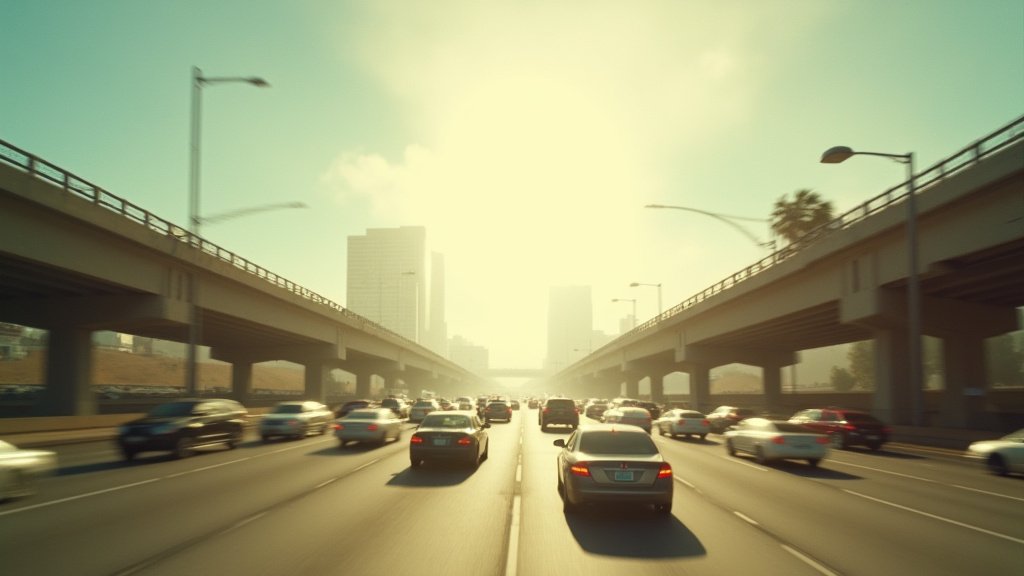
An unrelenting, record-breaking heat wave is currently gripping Los Angeles, creating a dangerous and deadly health environment that is forcing emergency services, city officials, and energy grid operators into a high-stakes test of endurance. As temperatures soar to extreme levels across Southern California, vulnerable populations are facing heightened risks of heatstroke and dehydration, while public officials scramble to mitigate the impact of what has become a critical public health crisis. The intensity of this heat wave, amplified by climate change patterns, is not merely a transient weather event but a stark indicator of the growing instability facing major metropolitan hubs.
- Emergency room visits for heat-related illnesses are surging across Los Angeles County as temperatures remain dangerously high overnight.
- California’s electrical grid is operating under extreme stress, with authorities urging residents to conserve energy during peak evening hours to avoid rolling blackouts.
- Local government agencies have expanded cooling center operations and implemented emergency welfare checks for unhoused individuals and the elderly.
- Meteorologists warn that this heat dome pattern could persist for several more days, potentially setting new all-time temperature records for the region.
The Deep Dive
The Human Cost of Unrelenting Heat
The primary concern during this extreme weather event remains the immediate threat to human life. Los Angeles is a sprawling urban environment where the ‘heat island’ effect—exacerbated by dense concrete, limited green space, and reliance on air conditioning—creates pockets of localized extreme heat that can be lethal. Emergency responders have reported a sharp increase in 911 calls related to heat exhaustion, cardiac distress, and respiratory issues, particularly among elderly residents living in older housing stock without modern central air conditioning. The medical community is sounding the alarm, noting that the physiological strain of constant heat exposure, without adequate relief during nighttime hours, drastically increases mortality risks.
A Stress Test for the Grid
Beyond the public health implications, the heat wave serves as an unforgiving stress test for California’s infrastructure. The power grid is tasked with meeting unprecedented levels of demand as air conditioning units run at maximum capacity across the basin. Operators are attempting to balance supply and demand through demand-response programs, yet the fragility of the system remains evident. This volatility forces officials to make difficult choices regarding the prioritization of power distribution. While improvements have been made since past emergencies, the sheer duration of this specific heat event is challenging the operational capacity of transformers and localized distribution networks, many of which were not designed to withstand such prolonged exposure to triple-digit temperatures.
Urban Planning in an Age of Extremes
The recurrence of these intense heat events is igniting a broader debate about urban planning in California. Historically, Southern California’s built environment has not prioritized extreme heat mitigation in its architectural design. Urban planners and policy experts are increasingly advocating for a radical shift, suggesting the expansion of ‘cool roof’ initiatives, the integration of extensive urban canopies to increase shade, and the retrofitting of existing buildings to improve thermal efficiency. The current crisis highlights that heat is no longer just a seasonal nuisance; it is a permanent systemic risk that requires a complete overhaul of how the city manages energy, public health infrastructure, and urban density. As the climate continues to shift, the measures taken today to harden the city’s resilience will determine its viability as a sustainable mega-metropolis in the coming decades.
FAQ: People Also Ask
Q: What are the most common signs of heatstroke I should watch for?
A: Key symptoms include a high body temperature (above 103°F), hot/red/dry skin, a rapid pulse, dizziness, nausea, confusion, and losing consciousness. It is a medical emergency that requires immediate intervention.
Q: How can I find the nearest cooling center in Los Angeles?
A: Residents can dial 2-1-1 or visit the official City of Los Angeles emergency management website to locate active cooling centers, which offer air-conditioned spaces for those without access to cooling at home.
Q: Is it safe to exercise outdoors during this heat wave?
A: Health officials strongly advise against strenuous outdoor activity during peak daylight and evening hours. If exercise is necessary, it should be done in the early morning, and individuals should prioritize hydration and frequent rest in shaded, cool areas.