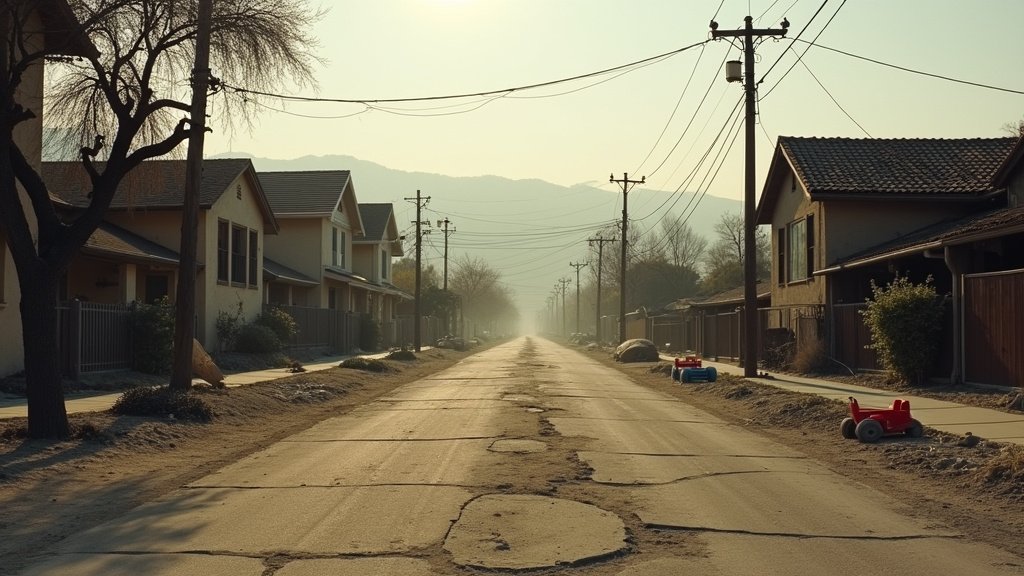
A year has passed since historic wildfires ravaged Los Angeles. These fires ignited on January 7, 2025. They were incredibly destructive. Wind-whipped flames scorched the landscape. Over 40,000 acres burned. This disaster claimed at least 31 lives. Nearly 17,000 structures were reduced to rubble. Thousands of residents lost their homes. The immediate threat of fire has passed. However, a new danger lingers. The **Wildfire Ash Dangers** remain a significant concern. Toxic hazards are present in the ash, posing ongoing risks to Los Angeles communities. This continues to be a major news focus.
The Ash’s Dangerous Composition and Wildfire Ash Dangers
Wildfire ash is far more than simple dust; it is a complex, toxic mix. This “urban ash” results from burning homes and vehicles, containing countless everyday items. Plastics, paints, and electronics burned intensely, creating a unique chemical soup. Forest fires produce different ash, but urban fires mix in hazardous materials from infrastructure. Older homes often contained asbestos, and lead pipes were also common. These materials vaporized, releasing dangerous substances into the air. This ash settled everywhere, contaminating homes and landscapes. Understanding these **Wildfire Ash Dangers** is crucial for public safety.
Unveiling Hidden Toxins: Post-Fire Environmental Hazards
The ash harbors a dangerous array of toxins. Lead is a significant concern, with some homes showing lead levels far exceeding safety standards. Asbestos fibers pose severe health risks, and volatile organic compounds (VOCs) are prevalent, including benzene, a known carcinogen. Heavy metals like arsenic and mercury are present. Newer synthetic materials add to the **Wildfire Ash Dangers**. Even common household chemicals become hazardous, and fire retardants can leach into the environment. The sheer variety of burned items makes this ash particularly potent, presenting significant **post-fire environmental hazards**.
Lingering Health Threats from Ash Exposure
Exposure to this toxic ash causes serious health problems. Residents report persistent symptoms, and inhaling fine particles irritates lungs, potentially worsening asthma and COPD. Heart disease and stroke risks increase. The long-term **health risks from ash** are still being studied, with some toxins linked to neurological damage and potential links to Alzheimer’s disease. VOCs raise cancer concerns. This toxic legacy affects many, and indoor air quality remains a worry, highlighting the **Wildfire Ash Dangers** to health.
Personal Stories of Enduring Struggle with Wildfire Ash Dangers
The disaster’s impact is deeply personal. Nina and Billy Malone found high lead levels, contamination that lingered on their home’s floors even after professional cleaning. They face ongoing health anxieties. Zoe Gonzalez Izquierdo battles her insurance company as her home tested positive for dangerous toxins, yet the insurer limits cleanup coverage. Many survivors feel overwhelmed, lacking clear guidance on safety concerning **Wildfire Ash Dangers**. Toni Boucher worries about sifting through debris, fearing the health consequences of exposure.
Cleanup Efforts Face Scrutiny Amidst Wildfire Cleanup Dangers
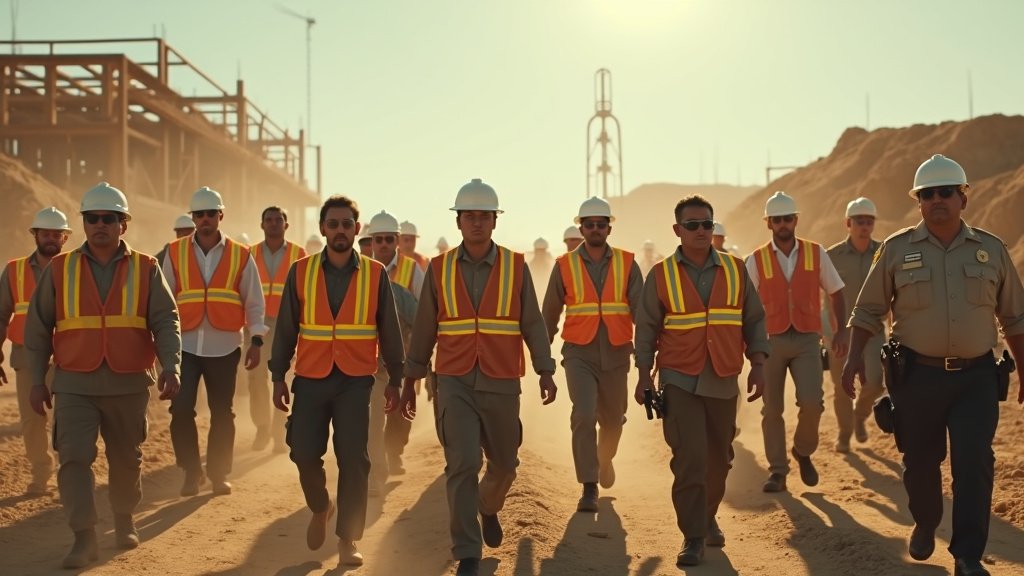
Cleanup operations began rapidly, with hazardous debris removal notably swift – a record-breaking pace for Los Angeles. However, significant concerns remain regarding **wildfire cleanup dangers**. Some contractors allegedly took dangerous shortcuts, and there are reports of illegal dumping. Cleanup protocols have seen changes, differing from established procedures. Residents fear their properties are not truly safe, and insurance policies often restrict coverage, potentially leaving homeowners unprotected from **Wildfire Ash Dangers**.
The Long Road to True Recovery from Wildfire Ash Dangers
Rebuilding will take many years. Many areas still bear the burn scars. Residents must navigate complex processes, yearning for safe living spaces. Experts offer crucial advice, recommending thorough ventilation and HEPA air purifiers. Wearing protective gear is essential, including masks, gloves, and respirators, as they contend with the persistent **Wildfire Ash Dangers**.
Scientific Investigations Continue into Wildfire Ash Dangers
Scientists are actively studying the health effects of **Wildfire Ash Dangers**. A major 10-year study is now underway, involving multiple universities. Researchers are analyzing ash composition, tracking pollutant levels closely, and assessing health impacts on body systems, including respiratory and neurological health. The full scope of the disaster is still unfolding. Wildfire ash even affects marine life, traveling offshore and posing risks to ocean ecosystems, impacting fisheries and food webs, underscoring the pervasive **Wildfire Ash Dangers**.
A Community’s Persistent Resilience Against Wildfire Ash Dangers
Los Angeles faces a unique urban wildfire challenge. The lingering toxins are a stark reminder of the **Wildfire Ash Dangers** and underscore climate change impacts. Residents continue their determined fight, advocating for safe environments and seeking recovery and reassurance. This ongoing news highlights human resilience and the persistent, hidden threats, particularly **lead contamination from fires** and other toxic wildfire ash elements. The battle against these **Wildfire Ash Dangers** continues, with residents of Los Angeles remaining vigilant.