
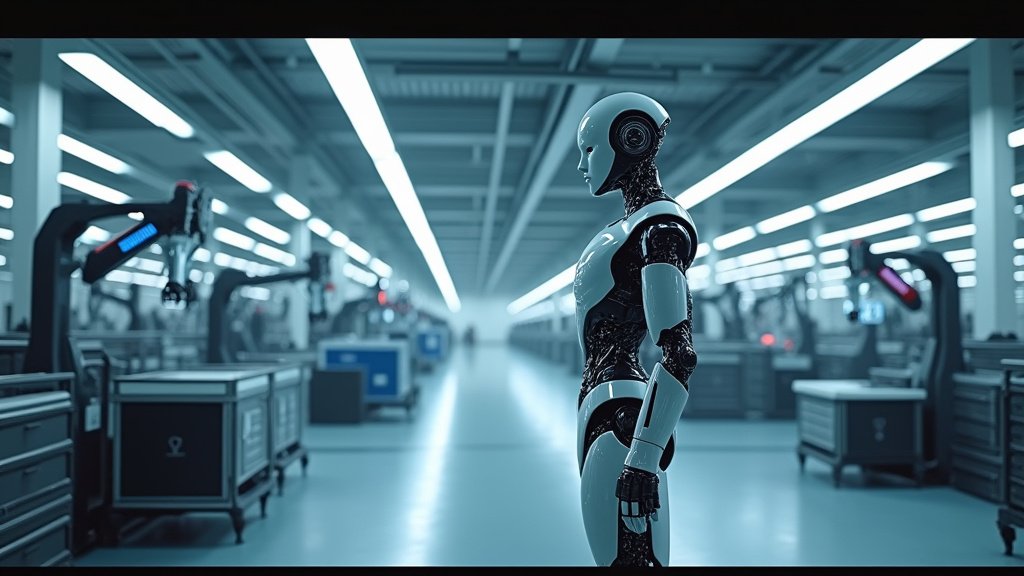
Tesla is making a monumental shift. The company will stop producing its Model S sedans and Model X SUVs. This marks a dramatic pivot for the electric vehicle giant. Tesla is now focusing intensely on artificial intelligence and robotics. The news broke during the company’s latest earnings call. This strategic move signals a bold bet on future technologies. It’s a significant departure from its automaker roots.
An Era Comes to a Close
The Model S and Model X were Tesla’s foundational luxury vehicles. They helped establish the brand’s initial reputation. The Model S debuted in 2012. The Model X followed in 2015. These cars paved the way for Tesla’s more popular Model 3 and Model Y. However, sales of the S and X have become peripheral. They now represent a small fraction of overall deliveries. The company is giving these models an “honorable discharge.” Production will wind down next quarter. This means manufacturing will cease in mid-2026. Tesla will continue to support existing vehicles. Owners will still receive service and parts. This decision reflects a changing market. It also aligns with Tesla’s new ambitious goals.
The Optimus Robot Revolution
Factory space at Tesla’s Fremont, California plant is being repurposed. It will become a dedicated Optimus robot manufacturing facility. Optimus is Tesla’s humanoid robot project. It aims to perform repetitive, dangerous, or dull tasks. Elon Musk envisions billions of these robots globally. He believes they will drive an “epic future.” Tesla plans to scale Optimus production significantly. The long-term goal is one million units annually. The Gen 3 Optimus is designed for mass production. This marks a key step toward realizing that vision. Optimus production will initially be slow. Significant volume is not expected until late 2026. This move is a core part of Tesla’s transformation. It positions the company as a physical AI enterprise.
Driving Toward Autonomy
Tesla is also doubling down on autonomous vehicles. The Cybercab robotaxi project is a major focus. This vehicle is designed without a steering wheel or pedals. Production is slated to begin this year. However, regulatory hurdles remain significant. These vehicles must meet new federal standards. Tesla also continues development of the electric Semi truck. Volume production for the Semi is planned for March 2026. The company is heavily investing in this autonomous future. This strategy is a key driver of Tesla’s valuation. Investors are betting on future revenue streams. These stem from AI and autonomous technology. This push is also happening amidst a competitive EV landscape. China’s BYD surpassed Tesla in global EV sales in late 2025. BYD’s more affordable models gained significant traction. Tesla’s own EV sales saw a decline. Model S and X sales were already modest. The company is now prioritizing new growth areas.
A Massive Investment for an Ambitious Future
To fund these ventures, Tesla is dramatically increasing its capital expenditure. Spending is set to more than double. It will exceed $20 billion in 2026. This is a substantial increase from previous years. It reflects the resource-intensive nature of AI and robotics development. The company holds over $44 billion in cash. This provides a financial cushion for these ambitious projects. This strategic pivot is a bold move. It showcases Tesla’s vision beyond traditional car manufacturing. The company is betting its future on groundbreaking AI and robotics. This is a major news story for the automotive and tech industries. It will undoubtedly shape Tesla’s trajectory for years to come. The popular allure of new technology drives much of the excitement. This shift impacts the entire automotive news cycle, including in regions like Southern California.