
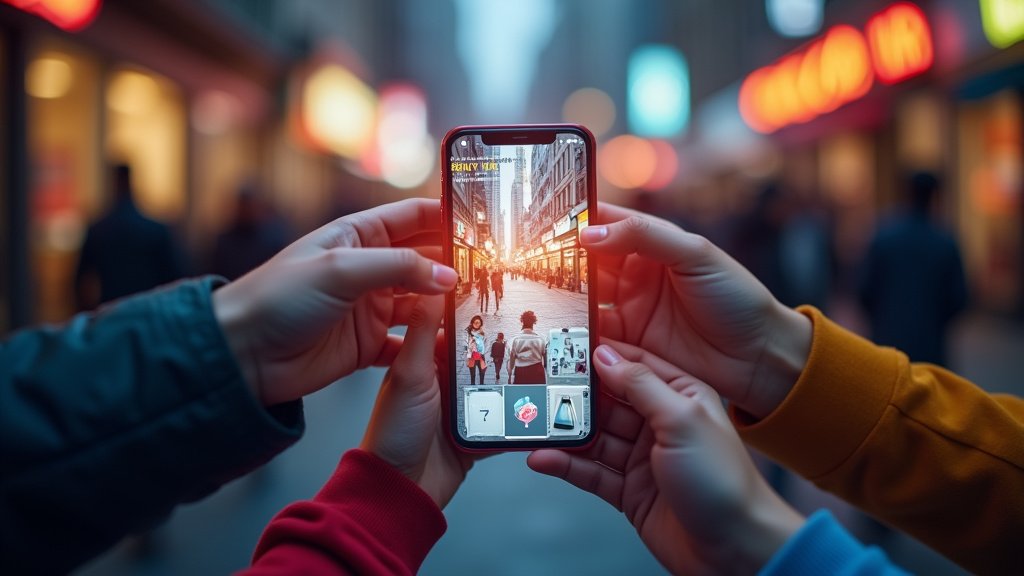
Social Commerce Surge: The $2.1 Trillion Market and Key Trends for 2026
Social commerce is revolutionizing retail. It blends shopping with social media seamlessly. This shift is massive. The global market is set to reach $2.11 trillion in 2026. This trend is rapidly changing how we buy. It’s transforming the entire shopping journey.
The Feed Becomes the Storefront
Social media platforms are now prime marketplaces. TikTok, Instagram, and Facebook lead this charge. Consumers discover products directly within the app. They then purchase seamlessly. This integrated experience captures impulse buys. It reduces friction significantly. Many shoppers now prefer this approach. It offers unparalleled convenience.
Gen Z and Millennials Lead the Charge
Younger generations drive much of this growth. Gen Z and Millennials embrace social shopping. They use mobile devices constantly. These platforms are their go-to for discovery. They trust influencers and peer recommendations. Social media feels more authentic. It’s a natural extension of their daily lives. This is a key piece of shopping news.
Market Growth and Future Projections
The global social commerce market is booming. It was valued at $1.63 trillion in 2025. It is projected to reach $2.11 trillion in 2026. The market is growing at nearly 30% annually. Projections suggest it could reach $7.55 trillion by 2031. This rapid expansion fuels innovation. Key drivers include AI and livestreaming. The creator economy also plays a vital role.
Key Trends Shaping 2026
AI-powered personalization is crucial. It tailors recommendations to users. Livestream shopping offers high conversion rates. These events blend entertainment with immediate sales. Influencer marketing remains powerful. Creators act as trusted product advocates. Short-form video content drives discovery. Seamless mobile checkout is essential. Brands must offer frictionless buying experiences. Many consumers now search for products on social media first. This is particularly true for trending items.
Fashion and Retail Innovation
The fashion industry is a major beneficiary. Visual platforms like Instagram and TikTok are ideal. They showcase new styles and trends effectively. Shoppable posts make fashion discovery instant. The influence of social media is strong in fashion news. Even in retail innovation hubs like Los Angeles, these trends are reshaping how brands connect with consumers. Many fashion brands focus on visual storytelling. They use shoppable content to drive sales. It’s a dynamic environment for fashion retailers.
Adapting for Success
Social commerce is no longer optional. It’s a core retail channel. Brands must integrate social shopping features. They need to create engaging content. Personalization is key to customer loyalty. Businesses should embrace AI tools. Streamlined logistics are also vital. Excellent customer service supports sales. Adapting to these social shopping trends is critical. It ensures relevance in the evolving market.
The future of retail is social. Platforms are merging discovery and purchase. This creates a powerful, convenient shopping experience. Businesses must meet consumers where they are. Social commerce is the new frontier. It offers immense growth opportunities.