Santa Monica is officially embarking on an ambitious, multi-faceted plan to completely overhaul its downtown business district, signaling a major pivot as the city grapples with shifting consumer habits and post-pandemic economic recovery. Officials have identified the downtown area as the heart of the city’s identity, but acknowledge that the old model of high-end retail dominance is no longer sustainable. By prioritizing density, public safety, and experiential foot traffic, the municipality aims to turn the area into a ’15-minute neighborhood’ that caters as much to local residents as it does to tourists. The proposed Santa Monica downtown business revamp is designed to bridge the gap between commercial viability and community livability.
- Proposed zoning changes to prioritize the construction of high-density housing units in underutilized commercial blocks.
- Increased investment in ‘ambassador programs’ and private security patrols to address long-standing public safety and cleanliness concerns.
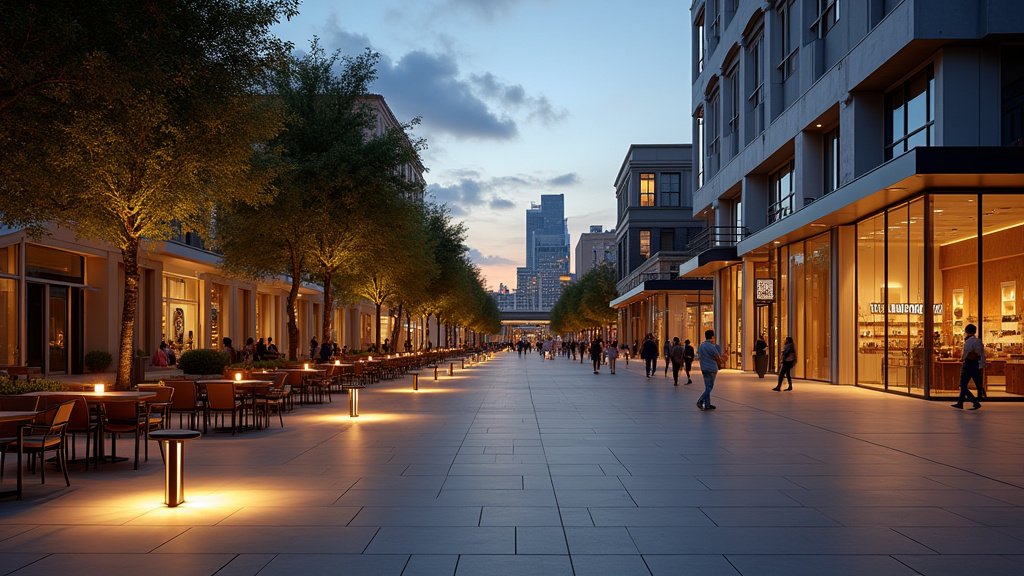
- Implementation of pedestrian-only zones and public plaza enhancements to encourage longer dwell times and outdoor commerce.
- Streamlined permitting processes intended to lower barriers for small business owners and independent local retailers.
- Strategic diversification of the business mix, moving from apparel-heavy retail to more service-based, experiential, and culinary venues.
The Deep Dive
Breaking the Mall Mentality
For decades, the Santa Monica downtown business ecosystem relied heavily on traditional large-format retail. However, the rise of e-commerce and changing consumer demographics have rendered this reliance a liability. The current revitalization plan is rooted in the realization that downtowns must become destinations for living, not just shopping. City planners are moving away from restrictive zoning that separates work, life, and play, instead pushing for a more fluid urban environment where residential growth fuels economic stability. By converting defunct retail spaces into mixed-use developments, the city hopes to create a built-in customer base that frequents downtown cafes, gyms, and grocery stores daily, rather than relying solely on the fickle stream of holiday shoppers or transient tourists.
The Security and Cleanliness Mandate
One of the most persistent hurdles to a successful downtown resurgence is the public perception—and reality—of safety issues. Business owners have vocalized concerns for years regarding how the unhoused crisis and localized crime deter affluent shoppers and discourage new investment. The revamp initiative allocates significant funding toward proactive outreach and specialized ambassador teams. Unlike standard police patrols, these ambassadors are trained to interact with the community, provide resources, and manage public space maintenance. By creating a cleaner, more visibly secure environment, the city intends to reclaim its reputation as a premier destination, effectively removing the ‘friction’ that keeps potential patrons away from high-traffic corridors.
Cultivating an Experiential Economy
Retail is shifting toward an experience-based model, and Santa Monica is leaning heavily into this trend. The new downtown strategy focuses on creating ‘third places’—social environments separate from the two usual social environments of home and the workplace. This includes the expansion of public squares, outdoor dining opportunities that spill into the streets, and incentives for entertainment venues that offer live music or interactive art. The goal is to provide value that cannot be replicated by online shopping. By fostering a cultural hub, the city hopes to increase foot traffic density, which in turn attracts higher-quality, boutique-style businesses that prioritize atmosphere over massive square footage.
Streamlining for the Future
The economic landscape is inherently risky for small businesses. Santa Monica’s leadership acknowledges that bureaucracy has historically stifled the innovation required for a diverse commercial landscape. As part of this overhaul, the city is rolling out a simplified permitting process specifically for independent entrepreneurs. This includes tax incentives for businesses that can prove a commitment to local hiring and sustainable operations. The objective is to create a vibrant, resilient, and diverse downtown that can withstand future economic volatility by not being overly dependent on any single industry or consumer segment.
FAQ: People Also Ask
Q: Why is Santa Monica changing its downtown strategy now?
A: The city is responding to a significant decline in traditional brick-and-mortar retail performance and a need to address public safety concerns to remain competitive with neighboring cities.
Q: Will this plan lead to more housing in downtown Santa Monica?
A: Yes, a core component of the revitalization is the conversion of commercial zones to mixed-use developments to increase residential density, which city planners believe is essential for sustained economic growth.
Q: How does the city plan to address safety concerns during this revamp?
A: The city is implementing increased investment in specialized ambassador programs and clean-and-safe initiatives to improve public space management and enhance the perception of safety for visitors and residents alike.