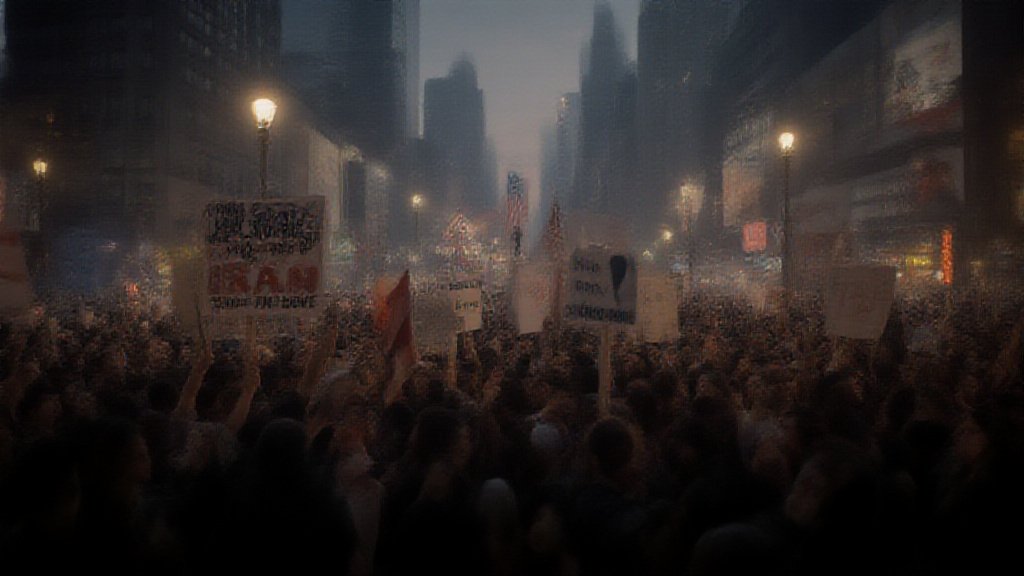
Thousands protested across the U.S. this past weekend. More than 50 cities saw demonstrations. Protesters demanded an end to the war on Iran. The Trump administration faced significant opposition. Protests occurred from coast to coast. Major cities participated in the action. New York City saw large crowds. Washington D.C. also hosted rallies. Los Angeles featured strong turnout. Chicago and Pittsburgh joined in. San Francisco voiced its dissent. Demonstrators urged the administration to cease hostilities.
Escalation Sparks Public Outcry
The current military conflict intensified over the last week. Deadly strikes targeted Iran. Iran retaliated with missile and drone attacks. Regional tensions spiked dramatically. Global spillover effects became evident. Protesters voiced deep concerns over the escalation. They viewed the war as unjust. Many called it a regime-change war. It stemmed from corrupt motives, they said. Land expansion and colonization were mentioned. Such actions exploit other nations.
Financial and Human Costs
Demonstrators highlighted the war’s immense cost. They noted the vast sums of money spent. Reports suggested billions spent daily. This occurred during an affordability crisis. Protesters argued funds should serve citizens. Money could fund health care. It could improve child care. Public transit could also benefit. These needs were neglected for war. Civilian suffering was a key concern. Unnecessary deaths were lamented. The war threatened “unthinkable death and destruction.” People rejected “another endless war.”
Key Demands and Slogans
Chants echoed through city streets. “Trump Says More War, We Say No More” was a common cry. Signs read “Hands off Iran.” “No New U.S. War in the Middle East” also appeared. Protesters declared “Money for People’s Needs, Not War with Iran.” Some called the conflict a “crime.” They questioned its legality. The war was not sanctioned by Congress. This raised constitutional concerns. Some felt the president acted unilaterally. This made the country seem “fascist,” one protester noted.
Protests in Los Angeles News
Los Angeles saw significant protest activity. Hundreds gathered at City Hall. They held Iranian flags. Chants filled the air. “Bombing Iran is a crime” was a prominent slogan. Demonstrators expressed their views on the conflict. Some cited U.S. imperialism. They felt past “phony nuclear deals” were a factor. The Iran nuclear deal was mentioned. Trump withdrew from it in 2018. Protesters believed the war served personal benefit. It endangered the nation and its people. Some highlighted the need for Iranian self-determination. “Iranians deserve… the right to choose their own leaders,” one speaker stated.
Groups Behind the Demonstrations
A coalition of left-wing groups organized many events. These included the Answer Coalition. The National Iranian American Council participated. Other groups included 50501. American Muslims for Palestine were involved. The People’s Forum joined. The Palestinian Youth Movement was present. CodePink and Black Alliance for Peace also joined. The Democratic Socialists of America were active. These groups planned “emergency protests.” They aimed to make voices heard. They opposed another “endless war.”
Context and Background
The protests followed significant U.S. and Israeli military strikes. These strikes occurred in late February 2026. They targeted leadership and infrastructure. Iran’s supreme leader, Ali Khamenei, was reportedly killed. This event triggered widespread opposition. The conflict marked a severe escalation. It followed years of rising tensions. These tensions included Iran’s nuclear program. The U.S. withdrawal from the nuclear deal in 2018 heightened concerns. The assassination of Gen. Qasem Soleimani in January 2020 also escalated hostilities. The current conflict deepened regional instability. It impacted global oil and gas supplies. Flights were cancelled. Stock markets reacted. The situation remained highly volatile.
Conclusion
The weekend’s protests signaled strong public opposition. Americans across the nation demanded an end to the conflict. They highlighted the war’s human and financial toll. They called for diplomacy over military action. The demonstrations reflected deep divisions. They raised critical questions about U.S. foreign policy. The demand for peace resonated in dozens of cities.