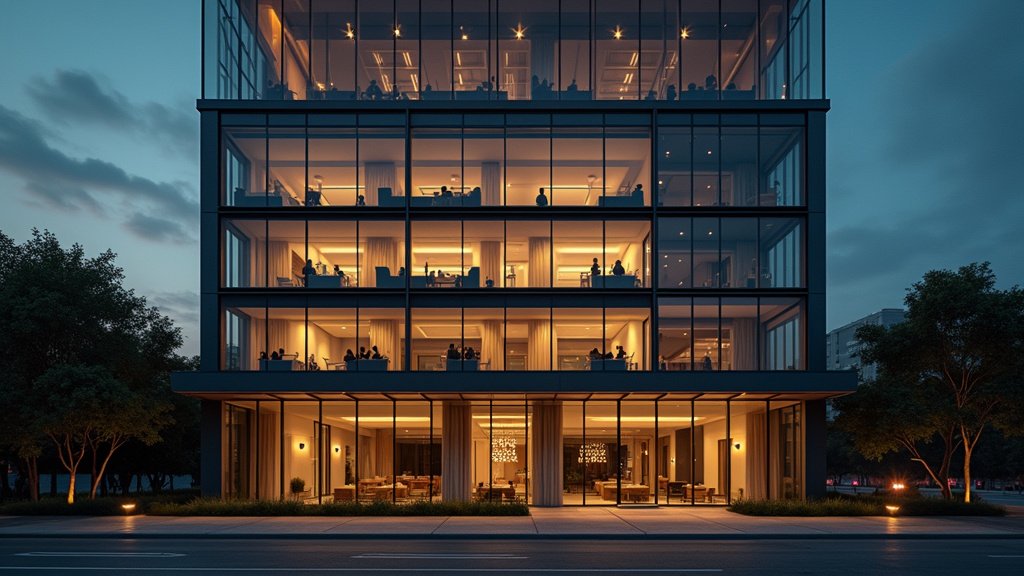
Los Angeles Office Conversion Ordinance: Thousands of Apartments Planned for Empty Buildings
Los Angeles is set to tackle its housing crisis head-on. A new ordinance offers a pathway to convert thousands of empty office buildings into much-needed apartments. This bold initiative aims to revitalize urban areas. It also seeks to provide more homes for residents. This news is currently trending in the city.
A City Facing Dual Challenges
Los Angeles grapples with a severe housing shortage. At the same time, office vacancy rates are at historic highs. The pandemic accelerated remote work trends. This left many commercial spaces underutilized. High rents and low inventory strain the residential market. Office buildings, once bustling centers of commerce, now stand largely empty. This presents a significant challenge for property owners and the city’s economy. However, it also creates a unique opportunity for adaptive reuse.
The New Adaptive Reuse Ordinance
The Los Angeles City Council passed a revised Adaptive Reuse Ordinance (ARO). This ordinance updates a policy first enacted in 1999. The new ARO applies citywide. It significantly lowers barriers for developers. Previously, the ordinance focused mainly on Downtown Los Angeles. It also had stricter age requirements for eligible buildings. The updated ordinance now covers commercial buildings at least 15 years old. This broadens the potential for conversion across the city. Buildings between 5 and 15 years old may also qualify with a special permit. The goal is to speed up approvals. Many projects can now gain city staff approval. This bypasses lengthy review processes. It aims to streamline development significantly.
Financial Incentives Fuel Conversions
Converting office buildings into apartments is a costly endeavor. The new ordinance includes financial incentives. These aim to make projects more feasible for developers. Property tax abatements can reduce long-term holding costs. Transfer tax exemptions offer upfront savings. These financial tools are crucial. They help offset the significant expenses involved. Cities like New York and Washington D.C. have similar tax abatement programs. Calgary, Canada, offers direct grants for conversions. These incentives are vital for attracting investment. They make previously unviable projects financially possible.
Expanding Housing Options and Reducing Rents
A key goal of the ordinance is increasing housing supply. It specifically encourages the creation of smaller housing units. This focus aims to increase density. It also helps make housing more affordable. By repurposing existing structures, the city adds new homes. This is done without building on open land. This approach is more sustainable. It preserves architectural character. It also reduces construction waste. The initiative seeks to alleviate pressure on rents. This can provide relief to renters facing high housing costs.
Addressing Structural and Design Hurdles
Transforming office spaces into homes presents unique challenges. Office buildings often have large floor plates. This can make natural light penetration difficult. Older buildings may also require significant upgrades. These include plumbing, HVAC, and electrical systems. Remediation for issues like asbestos can add costs. The updated ARO offers flexibility. It relaxes some design standards. This includes requirements for unit size and open space. It allows for creative solutions. For example, plans can create courtyards or light wells. This helps remedy the lack of natural light. It avoids eliminating rental space. This flexibility is essential for success.
A Citywide Vision for Reuse
The previous ARO facilitated the creation of over 12,000 housing units in Downtown Los Angeles. The new citywide ordinance seeks to replicate and expand this success. It aims to revitalize neighborhoods beyond the city center. This initiative is part of a broader effort. Los Angeles is exploring various strategies. These include infill development and upzoning around transit hubs. The goal is a more livable, dynamic city. It is a crucial step for Los Angeles.
A Trending Solution
The office-to-residential conversion trend is gaining momentum nationwide. Cities like New York City, Washington D.C., and Calgary have implemented similar programs. Los Angeles is now at the forefront of this movement. This current news highlights a significant shift. It shows how cities can adapt existing structures. This addresses pressing urban challenges. The success of this ordinance will be a key indicator for future urban development. It offers a promising vision for Los Angeles. It reuses valuable commercial real estate. It addresses the urgent need for housing. This news is vital for Los Angeles.