The City of Los Angeles is moving forward with a major public safety initiative, installing 125 new automated speed enforcement cameras across the metropolitan area. This pilot program, scheduled to be fully operational by the end of the summer, represents a significant shift in how the city manages traffic safety and enforces speed limits. Designed to combat the rising number of traffic-related collisions, the program will primarily target school zones, high-frequency accident corridors, and known street-racing routes, signaling a rigorous new approach to road safety for every driver in Southern California.
Key Highlights:
- The city is deploying 125 advanced speed cameras to address traffic-related deaths.
- Enforcement is focused on school zones and high-risk accident areas.
- Fines for speeding violations will range from $50 up to $500.
- The program is a pilot initiative aimed at reducing fatalities and dangerous driving habits.
- Cameras are being installed on major corridors across various city districts to ensure widespread coverage.
The Mechanics of Enforcement
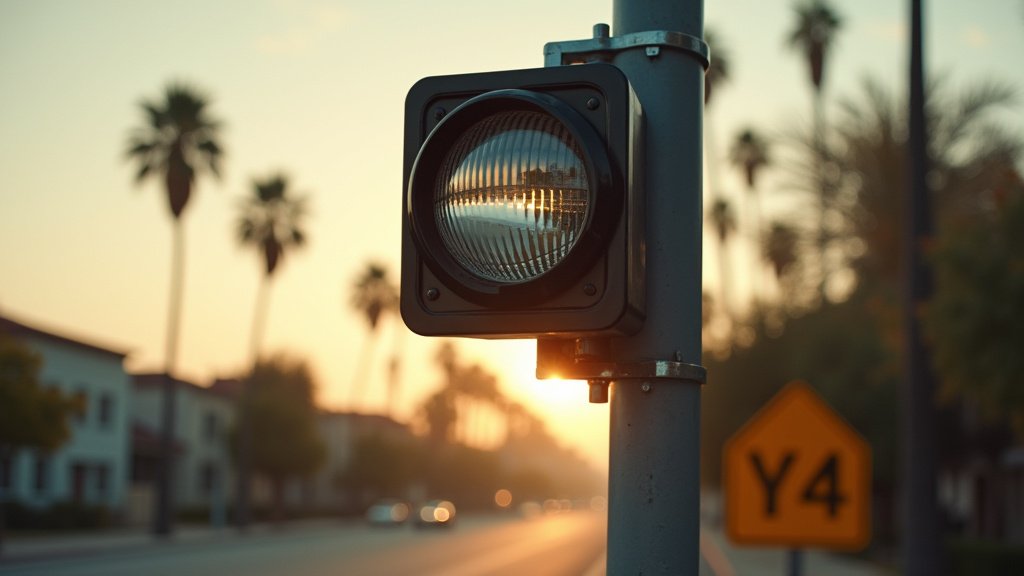
The implementation of these cameras is part of a broader “Vision Zero” strategy, which aims to eliminate traffic fatalities in Los Angeles. Unlike traditional police-led traffic stops, these systems operate autonomously, utilizing high-definition sensors to detect vehicles traveling significantly above the posted speed limit. Once a violation is recorded, the system captures the vehicle’s license plate, and the citation is subsequently processed and mailed to the registered owner of the vehicle. This “no-contact” enforcement method is intended to increase the perceived certainty of being caught, a psychological deterrent often cited by urban planners as more effective than sporadic physical patrols.
Where Cameras Will Be Installed
The selection of locations for the 125 units was based on detailed accident data and community feedback. Many of the cameras will be placed in dense residential areas and critical school zones where pedestrian safety is the highest priority. Key streets slated for installation include sections of South La Cienega Boulevard, West Olympic Boulevard, and Woodman Avenue, among numerous others throughout the Valley and central city districts. Officials emphasize that these zones were identified as “high-need” areas where speeding has historically led to a disproportionate number of severe injuries and fatal incidents.
Financial Impact and Public Response
For motorists, the consequences of triggering these new systems are substantial. Fines will be graduated, starting at $50 for minor infractions and escalating to $500 for more extreme speeding cases. While the city maintains that the primary objective is safety rather than revenue generation, critics have raised concerns regarding the financial burden on residents and the potential for technical errors in automated ticketing systems. However, supporters argue that the cost of inaction—measured in lives lost and life-altering injuries—far outweighs the cost of the fines. As the program nears its launch, public education campaigns are expected to ramp up, ensuring drivers are aware of the changing landscape of traffic enforcement in Los Angeles.
FAQ: People Also Ask
1. How will I know if I have been caught by a speed camera?
If you are recorded exceeding the speed limit, a notice of violation will be mailed to the address associated with your vehicle’s registration. It is essential to keep your mailing address current with the DMV to ensure you receive notifications in a timely manner.
2. Can I contest a fine issued by these cameras?
Yes, the city will provide a formal process for contesting violations. Each notice will include specific instructions on how to appeal the citation if you believe it was issued in error, such as if your vehicle was stolen or if you were not the driver at the time of the incident.
3. Are these cameras active 24/7?
Yes, the systems are designed to monitor traffic at all hours of the day. While some specific zones (like school zones) may have variable speed limits depending on the time of day, the cameras are capable of enforcing these limits consistently whenever they are in effect.