
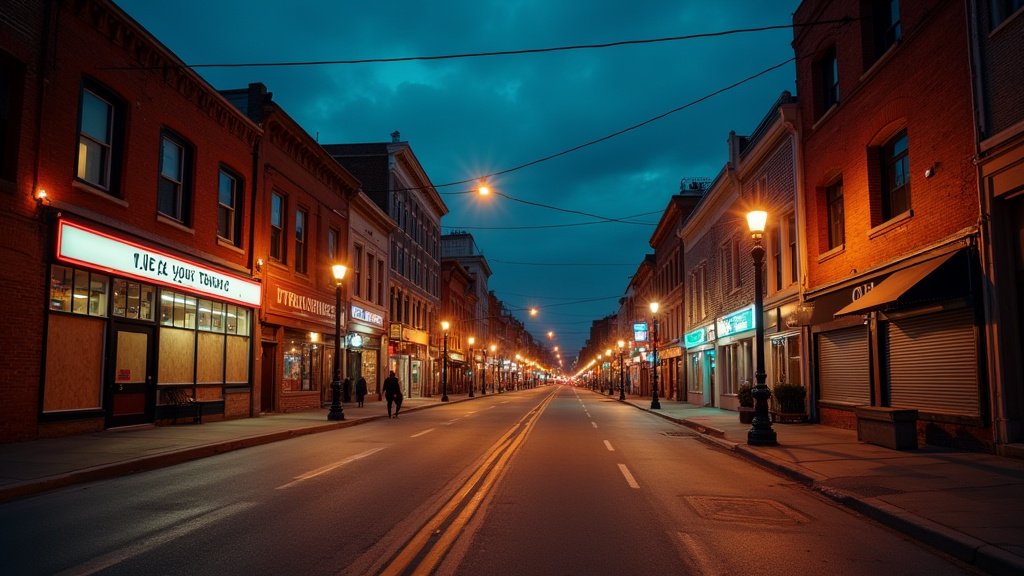
Downtown Los Angeles is grappling with a significant retail vacancy crisis, with some areas experiencing empty storefronts up to 40% of the time. This downturn, exacerbated by shifts in consumer behavior and the lingering effects of the COVID-19 pandemic, has led to major brands like Nike abandoning their physical presences in the city center. In response, a growing chorus of L.A. businesses, residents, and city boosters are advocating for a proactive approach, drawing inspiration from San Francisco’s successful “Vacant to Vibrant” initiative.
The “Vacant to Vibrant” program, spearheaded by SF New Deal in partnership with the city, has been instrumental in transforming San Francisco’s struggling downtown core. This initiative offers a lifeline to small businesses by providing crucial support such as rent subsidies, grants, and mentorship. By incentivizing entrepreneurs to establish pop-up shops in previously vacant spaces, the program aims to create buzz, draw foot traffic, and ultimately reanimate the city’s commercial areas. The result has been a visible increase in vibrancy, with former empty spaces being converted into bakeries, bookstores, cafes, and art galleries, contributing to a more dynamic urban landscape.
San Francisco’s approach is not merely about filling empty spaces; it’s about fostering a new ecosystem for local businesses and enriching the downtown experience. The program has successfully brought a diverse range of enterprises, from artisanal food vendors to fashion boutiques and art studios, into prime retail locations. Notably, the initiative has a strong track record of supporting women and minority-owned businesses, with a significant percentage transitioning from pop-ups to long-term leases. This demonstrates the program’s effectiveness in not only revitalizing retail but also in promoting economic inclusivity and sustainability.
The success of “Vacant to Vibrant” is evident in the anecdotal evidence and programmatic milestones being achieved. As of early 2026, the program had facilitated the opening of its 40th pop-up business, activating numerous storefronts across downtown San Francisco and Union Square. Businesses that began as pop-ups, such as Craftivity, have even transitioned to permanent leases, signifying the long-term viability and impact of the initiative. This model is seen as a crucial step in turning around a downtown that, like L.A.’s, has grappled with decreased foot traffic and increased vacancies since the pandemic.
Downtown L.A. advocates believe that adopting a similar subsidized pop-up strategy could be the key to reigniting interest in the city center. Their vision is to leverage the abundance of vacant storefronts not as symbols of decline, but as opportunities for innovation and community building. By offering incentives similar to those in San Francisco, L.A. aims to attract a diverse array of retailers, transforming empty spaces into vibrant hubs that cater to both residents and visitors. The focus is on re-establishing the walkability and distinct character that residents value, enhancing the restaurant and coffee shop scene, and creating a more engaging urban environment.
The comparison between the two cities highlights the challenges and potential solutions for urban retail recovery. While San Francisco has shown promising signs of resurgence, L.A. is looking to proactively implement strategies to avoid further decline. The “Vacant to Vibrant” model offers a tangible, proven method to address high vacancy rates, stimulate local economies, and create a more appealing downtown experience, providing a clear blueprint for L.A.’s retail revival aspirations.