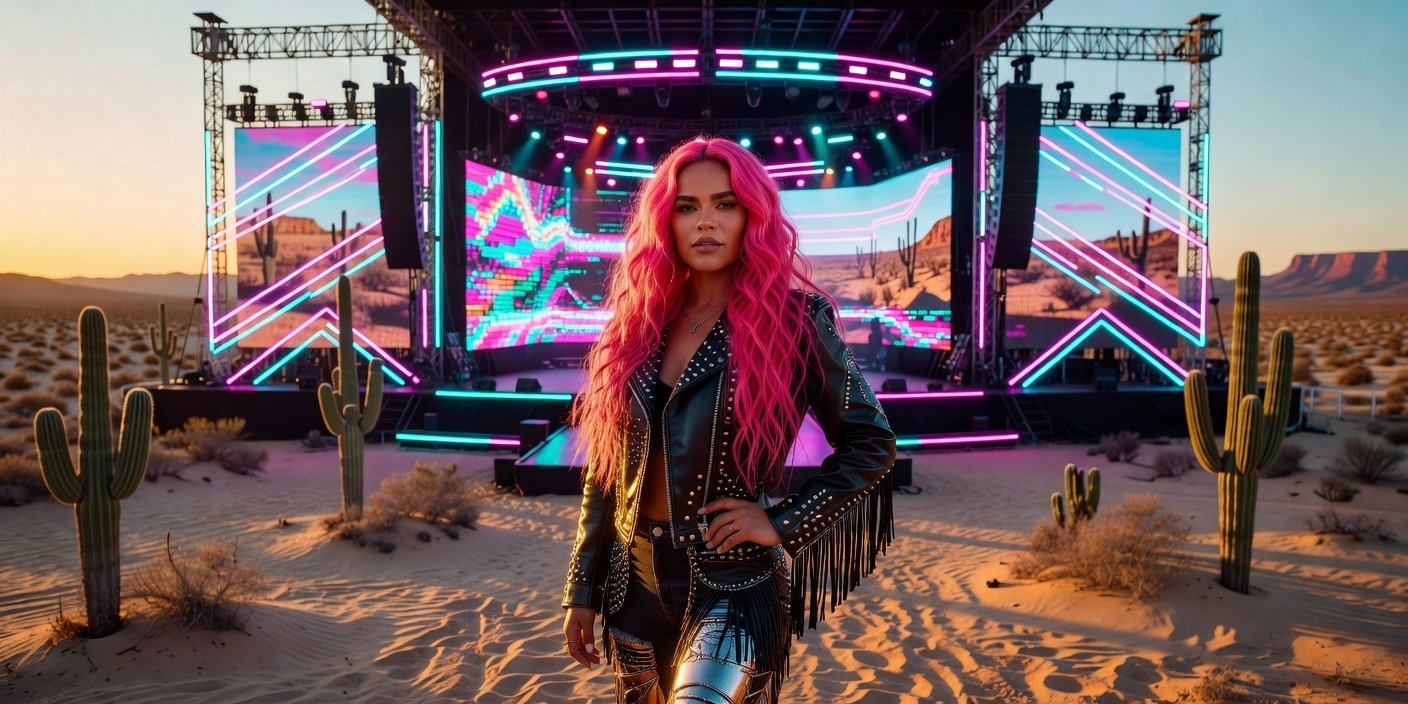
Karol G’s Sunday night headlining set at the Empire Polo Club was not merely a concert; it was a cultural seismic shift that solidified her position as the most influential artist in contemporary Latin music. By becoming the first Latina artist to command the main stage at Coachella 2026, the Colombian superstar delivered a performance that was equal parts intimate and arena-filling, blending raw emotional vulnerability with high-octane production values that left no doubt about her global dominance.
Key Highlights
- Historic Milestone: Karol G is the first Latina headliner in the history of the Coachella Valley Music and Arts Festival, marking a turning point for global festival bookings.
- Production Excellence: The stage design utilized innovative augmented reality projections and immersive floral aesthetics, reflecting the themes of her latest album cycle.
- Cultural Impact: Her setlist spanned years of reggaeton evolution, featuring surprise guest appearances from rising stars in the Colombian urbano scene, bridging generations of music.
- Record-Breaking Attendance: The crowd density for her performance broke the single-day record for the Coachella main stage, according to initial logistical reports from festival organizers.
The Anatomy of a Global Icon
The Coachella 2026 experience is often defined by the headliners who can manage the difficult task of balancing fan-favorite nostalgia with forward-looking artistry. Karol G, known affectionately to her millions of followers as ‘La Bichota,’ approached the main stage with a level of precision that felt both inevitable and overdue. The narrative surrounding her ascent—from Medellin to the pinnacle of pop culture—was woven into the visual storytelling of the set, which prioritized themes of rebirth, female empowerment, and Latinx identity.
A Visual and Sonic Masterclass
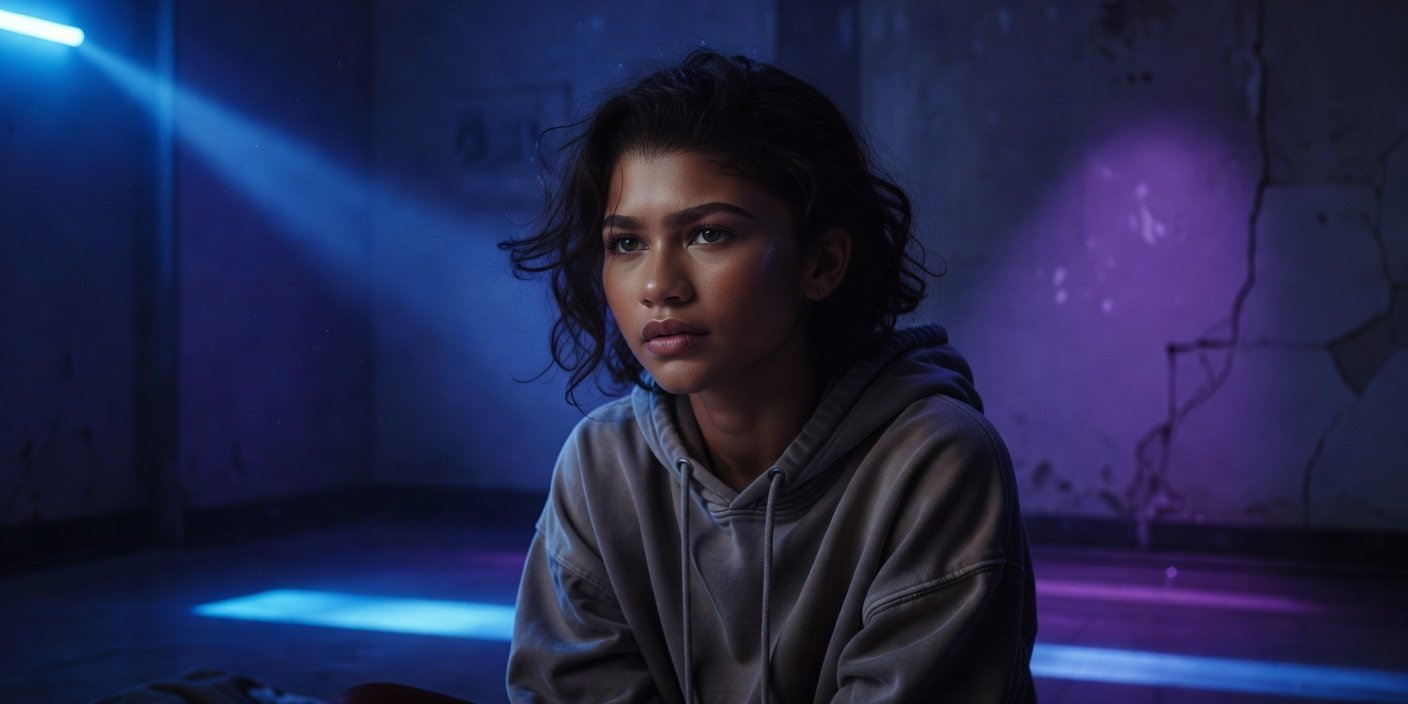
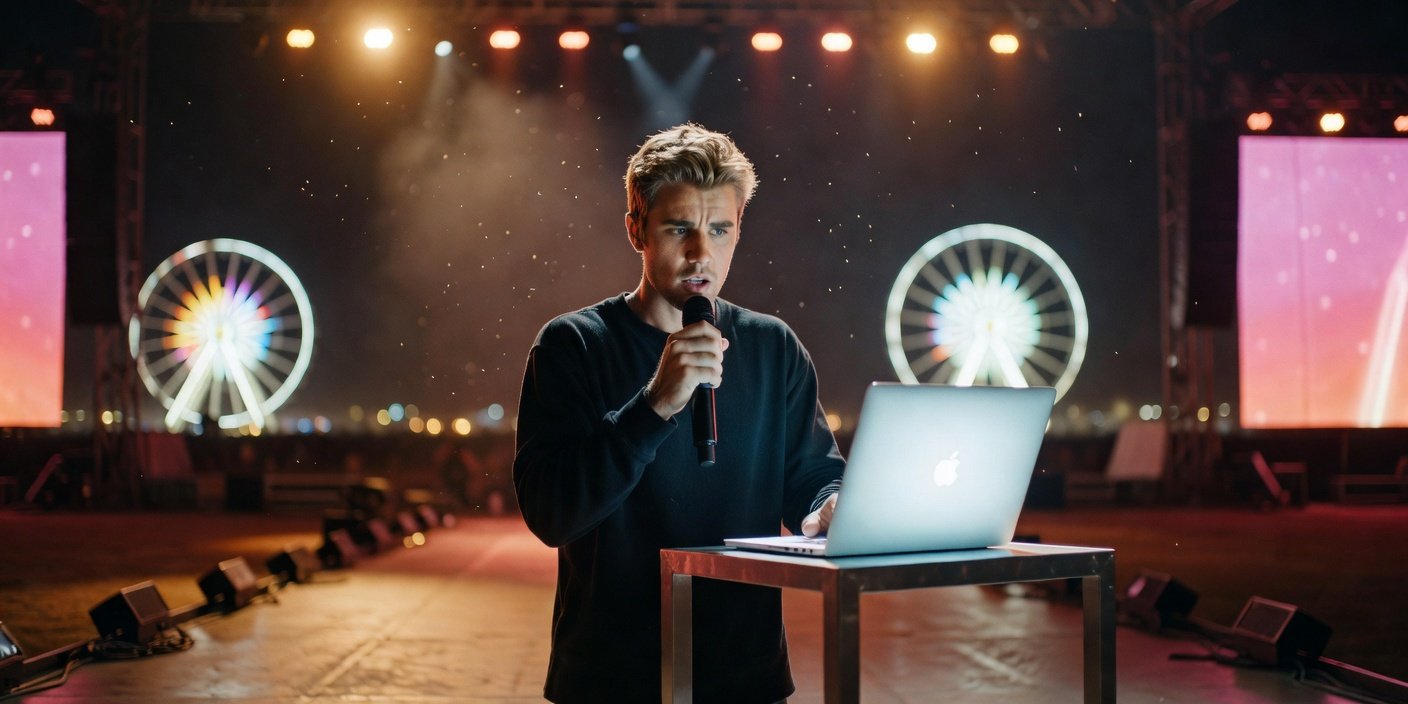
From the moment the lights dimmed, the crowd at the Coachella 2026 festival grounds witnessed a shift in production quality. Moving away from the utilitarian stage setups of the early 2020s, Karol G’s team opted for a ‘Warm Organic/Cultural’ aesthetic. The stage was transformed into an ethereal, neon-drenched landscape, utilizing soft-focus lighting to complement her vocal performance rather than overpower it. This choice allowed the raw power of her voice to cut through the massive sound system, creating an intimate experience that belied the scale of the venue.
The Setlist as a Chronological Journey
She structured her performance as a narrative arc. The first act focused on her early hits, re-imagined with live instrumentation that emphasized the percussive roots of reggaeton. By incorporating live brass and percussion sections, she elevated the genre, pushing it away from its studio-reliant origins and into the realm of true performance art. This decision did not just please the purists; it showcased the complexity of the genre to a broad, international audience, many of whom were experiencing the nuance of modern Latin music for the first time.
Secondary Angles: Examining the Aftermath
The Economic Ripple Effect of Latin Headliners
Industry analysts have long debated the ROI of booking diverse headliners, but the numbers from Coachella 2026 suggest a permanent shift in market logic. The ‘Karol G effect’ saw a distinct spike in travel and hospitality demand in the Indio, California region, specifically from international travelers—a segment that has been historically underserved by traditional festival marketing. Her presence acted as a catalyst for a demographic shift in the festival’s typical attendee profile, suggesting that future curation will rely heavily on the global, rather than just the domestic, appeal of headlining talent.
The Evolution of Reggaeton’s Global Infrastructure
Beyond the stage, the set served as a showcase for the ‘urban-global’ pipeline. By featuring upcoming artists from across Latin America, Karol G leveraged her platform to curate the next wave of industry stars. This ‘mentorship model’ of headlining is becoming the standard for modern music superstars. Instead of just performing, she acted as a curator, effectively providing a global megaphone for the next generation of musical innovators.
The Changing Definition of a ‘Pop Star’
Historically, the ‘Pop Star’ archetype was limited to Western, English-speaking artists. Karol G’s performance proved that the new archetype is global, bilingual, and deeply rooted in a specific cultural aesthetic. This performance has set a new benchmark for what is expected of top-tier talent: total creative control, a direct line of communication with a fan base, and the ability to bridge the gap between niche musical movements and mass-market appeal.
FAQ: People Also Ask
Q: Was Karol G’s Coachella 2026 set her largest live performance to date?
A: While she has sold out stadiums globally, the Coachella 2026 set represents the highest concentration of live attendees for a single show in her career, given the unique density of the main stage audience at the festival.
Q: Did the setlist feature any surprise guests?
A: Yes, Karol G brought out several key figures from the Colombian urbano scene, which she cited in interviews as a deliberate choice to highlight the collaborative nature of her artistic journey.
Q: How does this performance impact her upcoming 2026 world tour?
A: The production design, specifically the use of augmented reality and the specific floral set pieces, provides a direct blueprint for her upcoming ‘Bichota Season’ world tour, which is expected to launch later this summer.
Q: Why is this considered ‘historic’?
A: It is the first time a Latina artist has been granted the prime Sunday night headlining slot at Coachella, a move that critics and fans alike agree acknowledges the massive shifts in streaming and cultural consumption trends over the last five years.