Los Angeles, CA – January 10, 2026 – A significant documentary premieres today, shining a light on the painful legacy of Haiti Jim Crow. “The Forgotten Occupation: Jim Crow Goes to Haiti” opens in Los Angeles, exposing a dark chapter of U.S. history. The film screens at the Lumiere Cinema in Beverly Hills, marking a special event for its Los Angeles debut.
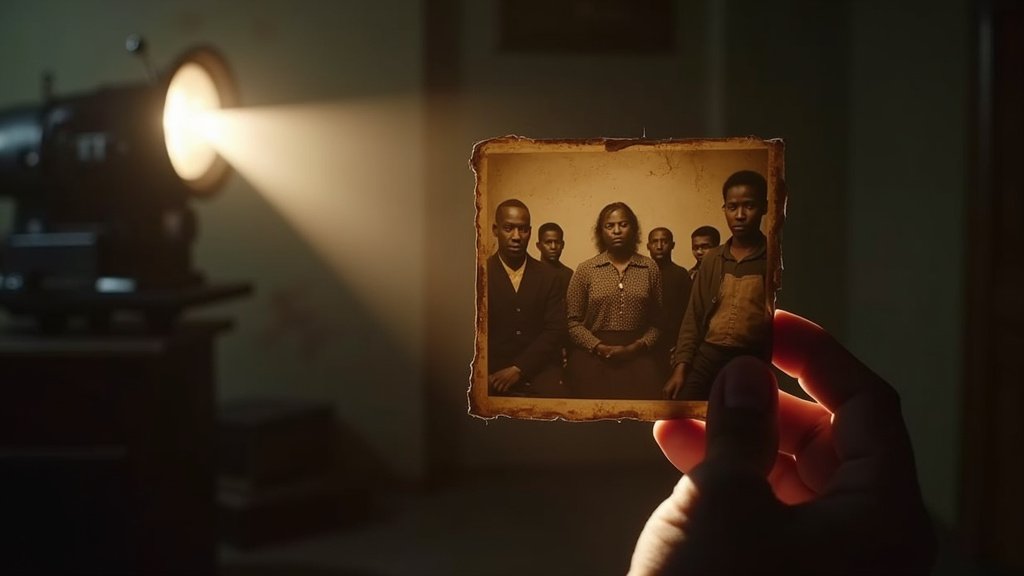
Haitian filmmaker Alain Martin directed the movie, with renowned author Roxane Gay serving as executive producer. The film explores the U.S. occupation of Haiti, a profound period of U.S. intervention from 1915 to 1934 that is often overlooked. This critical look at Haitian history uses poignant family photographs and draws on collective memory to illuminate the impact of this historical intervention impact.
Unearthing the Haiti Jim Crow Connection
The U.S. first occupied Haiti in July 1915, with President Woodrow Wilson sending Marines ostensibly to restore order and stability, but primarily driven by U.S. financial and political interests. The occupation followed political instability, including the assassination of Haiti’s president. A treaty granted the U.S. control over Haiti’s finances and governance, and Marines enforced martial law, censored the press, and outlawed dissent. This was a period where the seeds of Haiti Jim Crow policies began to take root, mirroring the oppression faced in the American South during the Jim Crow era.
A system of forced labor, called corvée, was implemented for infrastructure projects, resulting in many deaths. The U.S. also created the Haitian Gendarmerie, a new military force controlled by the Marines, which later aided dictatorships. The occupation officially ended in 1934, but its effects lingered, with U.S. influence persisting for decades. The stark realities of the occupation and its echoes of the Jim Crow era are vividly portrayed.
The Filmmaker’s Personal Lens on Haiti Jim Crow
Alain Martin directs this revealing film, employing a unique narrative approach. He writes a letter to his deceased grandfather, Brunel Martin, who lived through the occupation. The film delves into his grandfather’s paradoxical views: longing for American rule while the nation suffered under it. Martin masterfully blends personal stories with historical facts, incorporating striking family photographs to provide an intimate perspective on the Haiti Jim Crow experience.
This Alain Martin film connects the occupation to the Jim Crow era in the U.S., highlighting pervasive themes of racism and oppression. It underscores the devastating impact on Haitian people of color and confronts the deep scars of generational trauma left by this period. The documentary serves as a powerful Haitian history documentary.
Contemporary Echoes of Haiti Jim Crow
The film’s themes resonate powerfully today, offering urgent relevance to current issues like empire and migration. U.S. political discourse often targets Haitian migrants with harsh media coverage, a pattern that echoes historical biases. The film directly addresses how the historical intervention impact of the occupation, coupled with racism in Haiti, continues to shape today’s immigration debates.
“The Forgotten Occupation” connects past actions to present-day concerns, showing how the legacy of occupation and anti-Blackness informs current events. The film reclaims Haitian memory and celebrates Haitian resilience and love. It prompts Los Angeles audiences to view current events differently, as part of a long history of occupation and systemic racism, particularly in relation to the concept of Haiti Jim Crow.
The Los Angeles Premiere of a Haiti Jim Crow Examination
The premiere is a significant cultural event, presented by Haitian Spotlight LA, an organization dedicated to celebrating Haitian culture. The screening takes place at Lumiere Cinema, located at 9036 Wilshire Blvd in Beverly Hills, and includes a red carpet and Q&A session with several actors and crew members. This event provides a crucial platform for discussing the issues raised by the film, including the insidious reach of Haiti Jim Crow policies.
The film runs for one week, from January 10 to January 16, 2026, before becoming available on streaming platforms like Kanopy, Amazon, and YouTube. This Haitian history documentary, executive produced by Roxane Gay, offers a vital historical account and a crucial lens for understanding complex U.S.-Haiti relations. It serves as a powerful reminder of an often-forgotten past, critically examining the historical intervention impact and the lasting effects that mirror the struggles of the Jim Crow era.
This Los Angeles News highlights a critical examination of history, exploring the lasting impact of the U.S. occupation and its parallels to the Jim Crow era, offering profound insights into the concept of Haiti Jim Crow.