
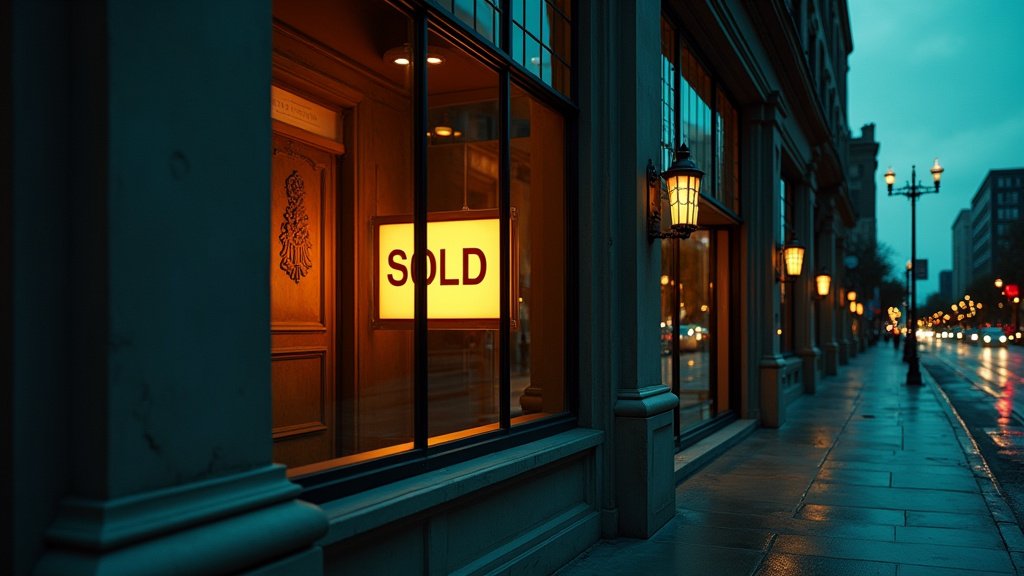
• Downtown L.A.’s cratering real estate market is prompting wealthy tenants to capitalize on lower asset valuations by purchasing their rental buildings.
• Institutional investors are retreating from the DTLA market, creating a unique window for high-net-worth individuals to transition from renters to landlords.
• The shift signifies a major restructuring of the urban housing landscape, moving from corporate ownership models toward boutique, owner-occupied luxury developments.
The Decentralization of Downtown Ownership
The once-dominant narrative of institutional dominance in the Downtown Los Angeles (DTLA) real estate market is fracturing. As the area grapples with elevated vacancy rates and a notable decline in property values, a quiet revolution is taking place: affluent renters, long the lifeblood of the city’s luxury apartment boom, are leveraging their liquidity to acquire the very buildings they inhabit. This pivot represents a significant departure from traditional real estate investment patterns, marking a move toward localized, smaller-scale ownership that could redefine the character of the neighborhood.
Market Correction and Opportunity
The primary driver behind this phenomenon is a fundamental repricing of downtown assets. For years, the DTLA housing market was characterized by a relentless surge in development, fueled by cheap capital and expectations of continued urban revitalization. Today, the reality is starkly different. With interest rates remaining elevated and commercial real estate facing a period of intense scrutiny, many large-scale developers and institutional owners are looking to offload properties to stabilize their portfolios. This distress has lowered the barrier to entry, allowing wealthy individuals who were previously satisfied with renting to capture high-end assets at valuations that were unthinkable just three years ago.
The Shift to Owner-Occupied Luxury
Unlike traditional property moguls, these new buyers are not primarily motivated by passive income generated through massive tenant portfolios. Instead, these renters-turned-owners are often seeking greater control over their living environments and the long-term appreciation potential of their physical communities. By forming small investment syndicates—often composed of other residents in the building—they are effectively bypassing the institutional landlord model. This “boutique” approach is fostering a new sense of permanency in downtown, a factor that urban planners have long identified as a missing link in the neighborhood’s maturation.
Strategic Implications for Urban Development
For the broader Los Angeles economy, this transition is a double-edged sword. On one hand, it stabilizes tax bases and encourages resident investment in the physical infrastructure of downtown, potentially improving maintenance and community oversight. On the other, it highlights the deepening divide in housing access, as ownership remains firmly within the grasp of only the wealthiest demographic. As corporate entities continue to retreat from the downtown core, the future of the district appears to be shifting toward this decentralized model of ownership, creating a neighborhood that is owned, managed, and curated by the very people who define its cultural fabric.
FAQ: People Also Ask
1. Q: Why are institutional investors leaving the DTLA market?
A: Institutional investors are moving away from DTLA due to a combination of high vacancy rates, the rising cost of debt, and a significant correction in property values, making these assets less attractive for large-scale portfolios.
2. Q: Is it common for renters to buy the buildings they live in?
A: While rare, it is becoming an emerging strategy in specific markets like Los Angeles where building valuations have dropped significantly, allowing groups of affluent tenants to pool resources for acquisition.
3. Q: How does this trend affect rent prices for other tenants?
A: In many cases, these transitions lead to better management and more stable long-term pricing, but it can also accelerate gentrification and push out lower-income residents if the new ownership group decides to reposition the building for even higher-end luxury occupancy.