Tensions escalated in downtown Los Angeles yesterday as law enforcement officials carried out dozens of arrests during a high-stakes ‘No Kings’ protest, marking a volatile turning point in local civil discourse. The demonstration, which sought to challenge prevailing political structures and perceived abuses of executive authority, drew hundreds of participants to the city’s civic center, resulting in widespread road closures and a heavy police presence throughout the evening. As the situation remains fluid, officials are grappling with the logistical challenges of processing detainees while public sentiment regarding the protest’s core message remains sharply divided.
- Law enforcement confirmed that dozens of individuals were taken into custody following the declaration of an unlawful assembly.
- The ‘No Kings’ movement asserts that current governance models are drifting toward authoritarianism, a claim that sparked the sudden mobilization.
- Downtown Los Angeles experienced significant traffic disruptions as protesters marched toward government buildings.
- No major injuries to protesters or police officers were immediately reported, though skirmishes broke out near the city hall perimeter.
The Deep Dive
The Anatomy of the Protest
The gathering, which began as a peaceful assembly in a prominent downtown park, rapidly intensified as the afternoon progressed. Organizers of the ‘No Kings’ movement utilized social media platforms to coordinate the march, calling for a reclamation of democratic checks and balances. The sentiment behind the protest reflects a growing, localized frustration with perceived unchecked executive power, a theme that has increasingly permeated civic discourse across major American metropolitan areas. Witnesses reported that while the early stages of the event featured chants and signage focused on constitutional principles, the atmosphere shifted when demonstrators began attempting to bypass established police cordons.
Law Enforcement Response and Public Safety
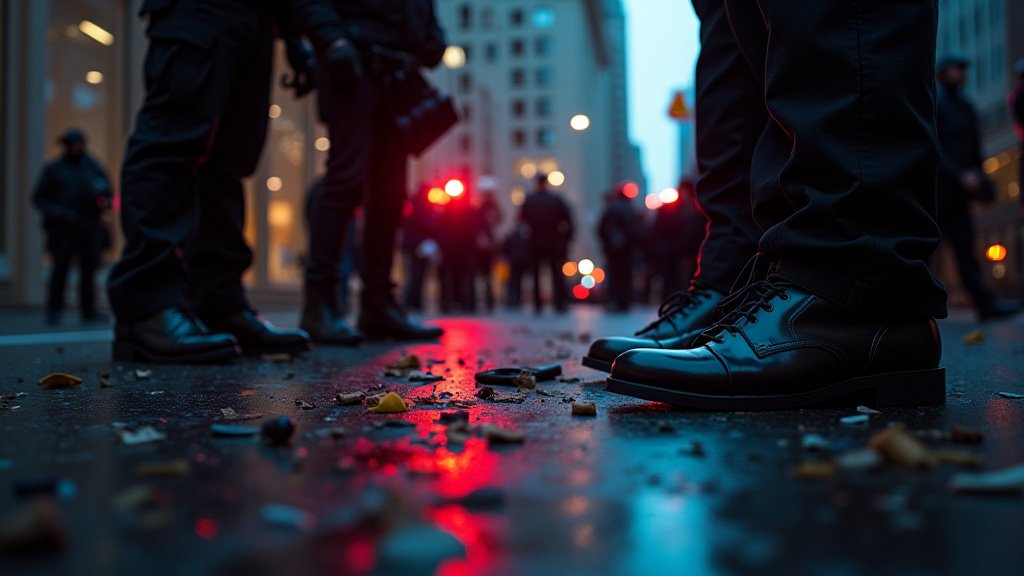
By early evening, the Los Angeles Police Department declared the gathering an unlawful assembly, citing the obstruction of critical infrastructure and failure to disperse upon official orders. The tactical response was rapid; officers utilized non-lethal dispersal techniques to clear the intersection of Main and Temple streets. The sheer number of arrests created a bottleneck in the booking process, raising immediate questions from legal observers and civil rights advocates regarding the handling of detainees and the threshold for such widespread arrests in the context of constitutionally protected speech.
Socio-Political Implications of ‘No Kings’
This protest is emblematic of a broader, national trend where localized groups are increasingly utilizing ‘No Kings’ rhetoric to unify disparate political grievances under a single, potent banner. While the nomenclature is historically derived from anti-monarchical sentiments during the founding of the United States, its modern application in Los Angeles serves as a lightning rod for concerns regarding executive overreach, emergency mandates, and the erosion of local civic representation. Political analysts suggest that these demonstrations highlight a profound disconnect between administrative decision-makers and a subset of the populace that feels increasingly disenfranchised by standard political channels.
The Future of Civic Engagement
As the city attempts to return to normalcy, the fallout from these arrests will likely dominate local headlines for the coming week. Legal teams are already mobilizing to represent those in custody, and city officials are facing pressure to address the underlying frustrations that fueled the unrest. The ‘No Kings’ protest serves as a reminder of the fragility of the social contract in a highly polarized environment, where the balance between maintaining public order and upholding the right to dissent remains a central, often contentious, challenge for metropolitan leadership.
FAQ: People Also Ask
What is the origin of the ‘No Kings’ movement?
The movement draws its name and core philosophy from anti-monarchical sentiments historically associated with the American Revolutionary period, reinterpreted for modern contexts to protest perceived executive overreach and authoritarian tendencies in contemporary governance.
Why were protesters arrested in Los Angeles?
Law enforcement arrested dozens of participants after declaring the protest an unlawful assembly. Police cited the blocking of public thoroughfares and the refusal of demonstrators to disperse after multiple warnings as the primary legal justifications for the arrests.
How is the city responding to the unrest?
City officials are focusing on restoring order and processing those arrested. Meanwhile, there is ongoing discourse between community leaders and the mayor’s office regarding the balance between public safety and the protection of the right to free speech in public spaces.