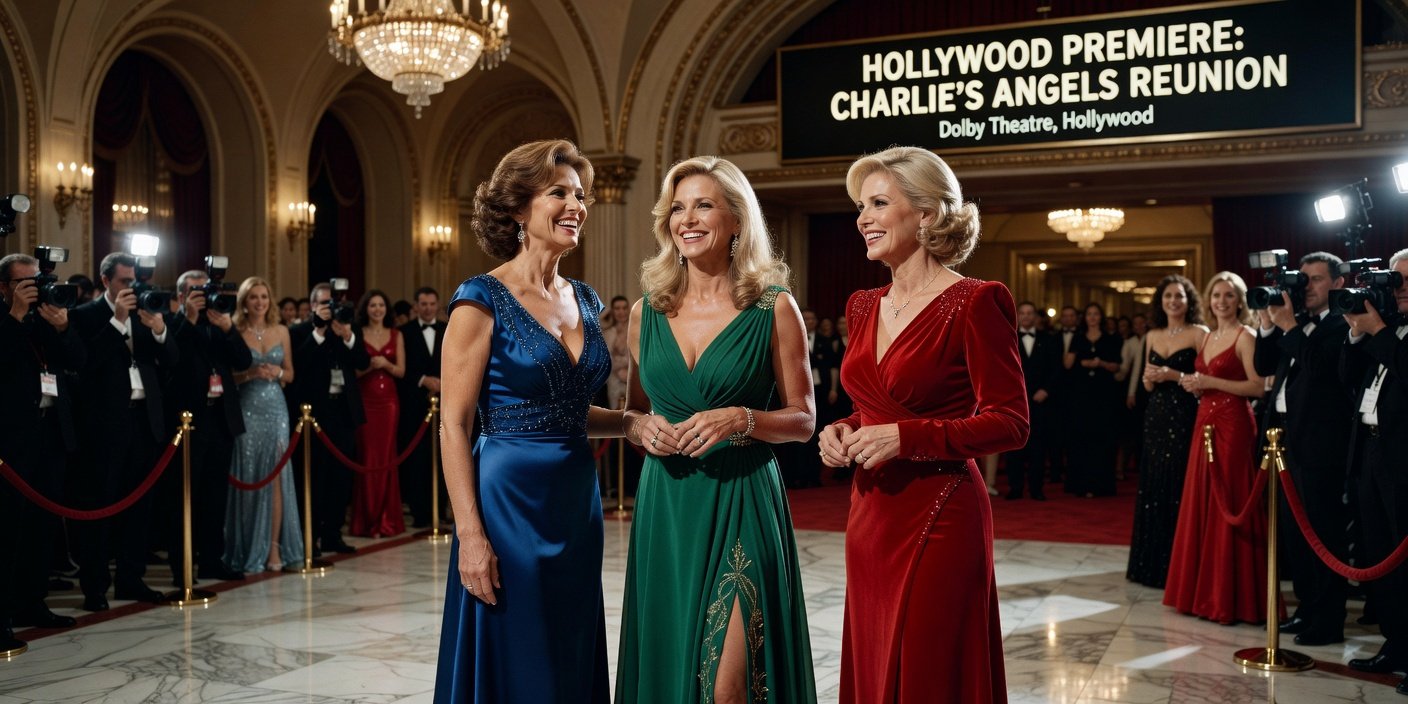
The atmosphere at the Dolby Theatre in Hollywood was electric as a piece of television history stepped into the spotlight. Kate Jackson, Jaclyn Smith, and Cheryl Ladd—the iconic trio who defined an era of prime-time television—reunited on stage to commemorate the 50th anniversary of “Charlie’s Angels.” This landmark event, hosted by PaleyFest LA on April 6, 2026, marked a rare public convergence of the stars, effectively bridging the gap between the show’s gritty 1976 origins and its status as a permanent fixture in the cultural lexicon. For fans and industry analysts alike, the reunion was not merely a nostalgic walk down memory lane; it was a profound acknowledgement of a series that dared to place women at the forefront of action-oriented storytelling, challenging the gender norms of the 1970s and paving the way for the modern female anti-hero.
Key Highlights
- Historic Reunion: Kate Jackson, Jaclyn Smith, and Cheryl Ladd appeared together publicly for the first time in 34 years at the Dolby Theatre.
- Cultural Legacy: The panel discussed the show’s unique position in the 1970s as a “jiggle TV” phenomenon that simultaneously empowered women by putting them in charge of their own investigations.
- Beyond the Screen: The stars reflected on the bond formed on set, overcoming industry skepticism, and the enduring influence of the series on modern action television.
- Future Appearances: The cast confirmed plans for further commemorations, including an upcoming honor at the Paley Honors gala in New York this May.
The Unprecedented Half-Century Milestone
The 50th anniversary of Charlie’s Angels is not just a birthday for a show; it is a moment to reassess the trajectory of network television. When the show debuted on ABC on September 22, 1976, the concept of a police drama anchored by three attractive women was, at best, a gamble. Executives were wary, and critics were often dismissive, yet the show became an immediate, global juggernaut. At the 2026 PaleyFest event, the discussion centered on the surprising longevity of the Angels’ influence.
The 34-Year Wait
The scarcity of this reunion cannot be overstated. With the last full public gathering of the primary cast dating back to the 1992 People’s Choice Awards, the 2026 event carried a weight of anticipation that few television reunions ever achieve. As the trio stepped onto the stage, the standing ovation was a testament to the show’s grip on the collective consciousness. The dialogue during the panel was candid, touching upon the evolution of their careers post-Angels and the specific, unreplicable dynamic that emerged when Cheryl Ladd stepped in to join the cast, seamlessly maintaining the show’s momentum.
Reframing the ‘Jiggle TV’ Narrative
One of the most compelling aspects of the discussion was the retrospective analysis of the term “Jiggle TV.” In the late 70s, critics often used the label to minimize the substance of the series, focusing heavily on the cast’s wardrobe and physical appearance. During the panel, Jackson, Smith, and Ladd addressed this historical critique with grace and authority. They noted that while the industry label was intended to categorize them as mere eye candy, the content of the show—the agency, the teamwork, and the constant threat of danger—provided a much deeper narrative. The actresses highlighted that they were, at their core, three women navigating a dangerous, masculine world, solving crimes without waiting for a hero to save them. This, they argued, was the true subversive power of the show, regardless of the marketing tactics of the era.
The Evolution of the Female Action Archetype
When examining the secondary angles of the Charlie’s Angels legacy, it becomes clear that the show was a foundational pillar for modern series like “Buffy the Vampire Slayer,” “Alias,” and even contemporary streaming hits. The archetype of the “Angel” moved the needle from the damsel-in-distress trope toward a model where vulnerability could coexist with competence.
Breaking Gender Barriers in the 70s
In 1976, the workplace, even in fiction, was predominantly male-controlled. Having a show where the boss, Charlie, was a disembodied voice on a speakerphone meant that the women were physically autonomous. This specific narrative device—the unseen authority figure—actually empowered the Angels to make tactical decisions on the fly. The actors spoke about how this dynamic fostered a sense of independence that, while taken for granted now, was radically different from anything else on air at the time.
The Economic Impact of the Franchise
From an economic perspective, the success of the series proved that female-led ensembles were highly bankable. The show’s syndication history and the subsequent 21st-century film reboots indicate that the intellectual property remains a powerhouse. By anchoring a show that appealed to both genders, the producers created a blueprint for the modern television franchise, proving that action and glamour were not mutually exclusive concepts, but rather an effective marketing synergy that could dominate the Nielsen ratings for years.
The Technological Transition
The transition from the network-dominated 1970s to the fractured, streaming-heavy landscape of 2026 was also a topic of reflection. The stars noted how the communal experience of watching a show like Charlie’s Angels at a specific time, on a specific channel, created a shared national culture—something that is increasingly rare today. This reunion served as a cultural anchor, reminding audiences of the power of live event television and the enduring appeal of the classic procedural format.
FAQ: People Also Ask
1. Q: Why was this specific reunion considered so significant?
A: This was the first time that Kate Jackson, Jaclyn Smith, and Cheryl Ladd have appeared together publicly in 34 years, making it a historic moment for television history enthusiasts.
2. Q: Did the cast discuss the criticism the show received in the 1970s?
A: Yes, the trio candidly addressed the “Jiggle TV” label, reframing it as a dismissive industry critique that ignored the show’s genuine role in pioneering female-led action.
3. Q: What is the lasting legacy of Charlie’s Angels?
A: The show is credited with changing the television landscape by normalizing female leads in high-stakes detective roles, influencing decades of action-oriented dramas and character archetypes.