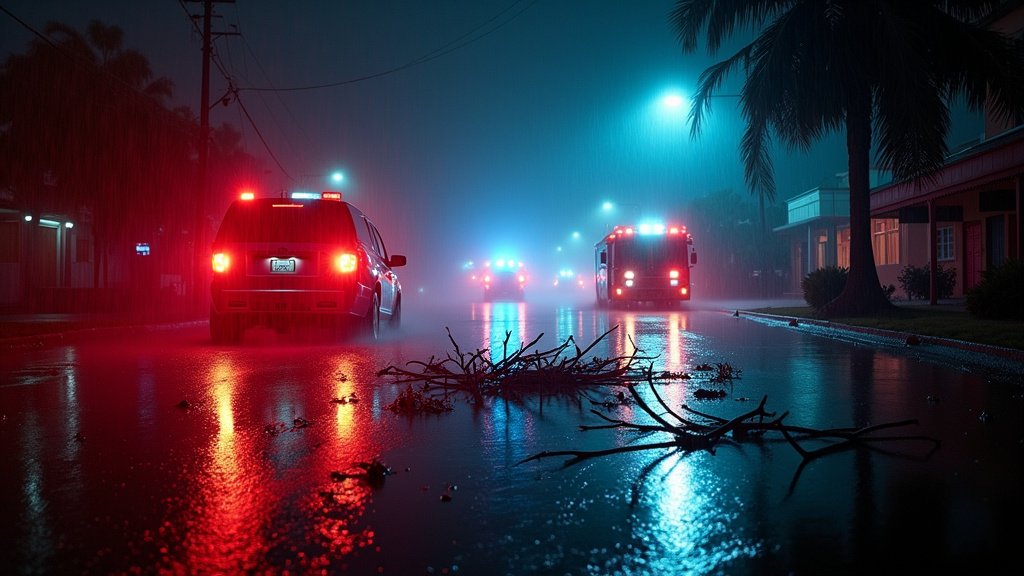
California faced a ferocious winter storm on February 16, 2026. This powerful event brought treacherous conditions statewide. High winds lashed the coast. Heavy rain pounded urban areas. Mountain ranges saw massive snowfall. Millions of residents in Los Angeles County were under flash flood warnings. Areas burned by recent wildfires faced evacuation alerts. Potential mud and debris flows posed a severe threat. Los Angeles Mayor Karen Bass ordered emergency crews on high alert. She urged city departments to prepare for swift responses. The storm wreaked havoc on major roadways. Travel became extremely dangerous across the state. Heavy snow blanketed the Sierra Nevada and other mountains. Low visibility added to perilous travel conditions.
Southern California Under Water Threat
Much of Los Angeles County experienced intense rainfall. This storm featured significant urban flooding. Streets and small streams quickly overflowed. Areas with impermeable surfaces amplified flood risks. For example, Santa Monica saw extreme rain rates. Two inches of rain fell in just 20 minutes there. This created life-threatening conditions. Rapid runoff overwhelmed drainage systems. The Pacific Coast Highway faced deep ponding. Life-threatening conditions developed quickly. Flash flood warnings covered large sections of the county. These alerts included areas like Glendale and Pasadena. They also covered the Santa Monica Mountains. Residents were urged to move to higher ground. Many were advised to avoid low-lying areas. Especially vulnerable were areas near burn scars.
Evacuation Warnings Issued for Burn Scars
Wildfire-scarred regions faced heightened danger. The potential for mud and debris flows was very high. Evacuation warnings were issued for communities near past fires. This included the Palisades and Sunset burn scar areas. Residents in these zones received urgent alerts. They were told to prepare for possible evacuation orders. The Hurst and Franklin burn scars were also affected. Heavy rainfall cannot be absorbed by burned terrain. This leads to increased runoff and mudflows. California’s Office of Emergency Services positioned resources. Fire and rescue teams went to high-risk zones. This strategic placement aimed to address immediate threats.
Sierra Nevada Buried Under Snow
Mountainous regions received massive snowfall. The Sierra Nevada saw the storm’s heaviest snow. Forecasters predicted up to eight feet of snow. This accumulation was expected above pass levels. Snowfall rates reached over three inches per hour. This extreme snow made travel dangerous to impossible. Chain controls became mandatory on I-80. This applied in both directions near the Nevada state line. Major highways faced closures. Roads became impassable in many mountain areas. Destinations like Donner Summit saw significant accumulation. Palisades Tahoe and Sugar Bowl received over 60 inches of snow. Snow levels dropped to 1,500 feet in foothills. Some areas even saw snow at 1,000 feet. This presented major challenges for visitors. The “Great Monday Exodus” for Tahoe visitors became perilous. Many travelers faced whiteout conditions. Travel delays were widespread.
High Winds Create Coastal and Inland Hazards
Powerful winds accompanied the storm system. Coastal areas faced gale warnings. Southwest winds reached 20 to 30 knots. Gusts peaked at 35 knots. Combined seas rose to six to nine feet. These conditions threatened vessels. Mariners were urged to seek safe harbor. Special marine warnings noted gusts over 50 knots. These could produce waterspouts. Inland areas also experienced strong winds. Gusts reached up to 55 mph in valleys. Ridge tops could see gusts over 100 mph. These strong winds downed trees. They also led to scattered power outages. Pacific Gas & Electric used advanced technology. They employed AI and machine learning models. This helped position crews and equipment efficiently.
Official Response and Preparedness
State and local officials took action. Mayor Karen Bass emphasized preparedness. She urged residents to take the storm seriously. The Shasta County Sheriff’s Office noted winter’s persistence. They reminded people to stay aware of conditions. California’s Office of Emergency Services deployed teams. They focused on areas most vulnerable to flooding. Utilities prepared for potential widespread power outages. PG&E anticipated multiple storm phases. This required strategic planning for repairs. The storm’s impact underscored California’s need for resilience. Many residents heeded warnings and prepared safety kits.
Storm’s Lingering Impact
This major winter storm delivered a significant blow. It brought widespread flooding to Southern California. It buried mountain communities in deep snow. It buffeted coastal areas with strong winds. The storm systems were forecast to continue. Residents remained vigilant for developing News. The aftermath required ongoing assessment. This event featured the most significant Sierra snowfall of the season. It highlighted nature’s unpredictable power. Los Angeles and surrounding areas faced intense weather challenges. The storm’s full impact would unfold over several days.