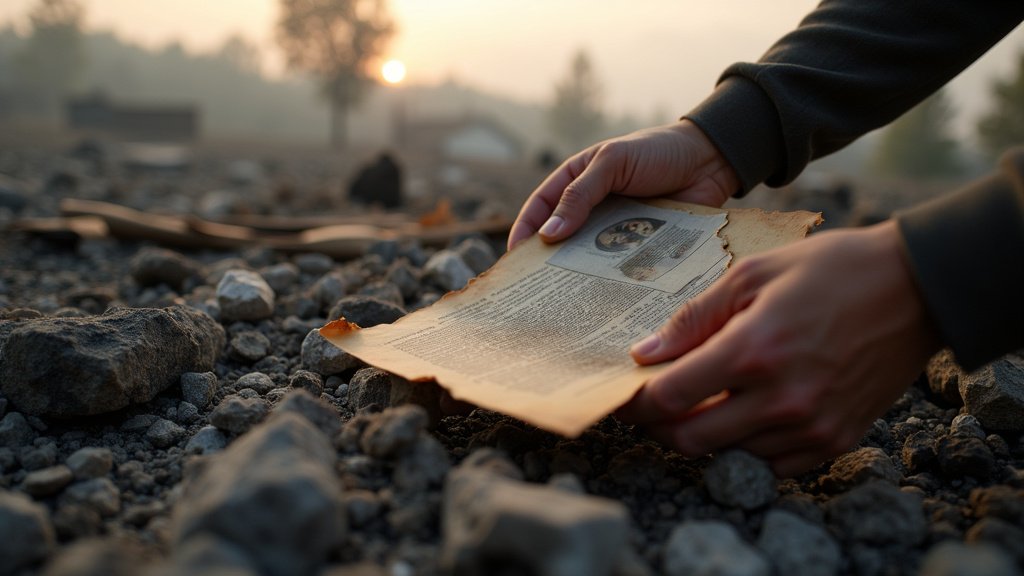
The Los Angeles wildfires left many survivors with a shocking realization: their insurance policies offered insufficient coverage, a direct consequence of the Underinsurance Crisis Americans face. This underinsurance problem is not new, but recent climate-driven disasters amplify it, leaving many Americans potentially facing a similar fate and the severe financial hardship that comes with an insurance coverage gap.
The Wildfire Reality in Los Angeles and the Underinsurance Crisis Americans Face
Recent devastating wildfires in Los Angeles have highlighted a critical issue: the Underinsurance Crisis Americans grapple with. Survivors returned to find their homes destroyed and faced a new challenge—inadequate insurance payouts. This news, amplified by the direct impact of the LA wildfires, serves as a stark warning, as many families cannot afford to rebuild and are struggling to cover rebuilding costs.
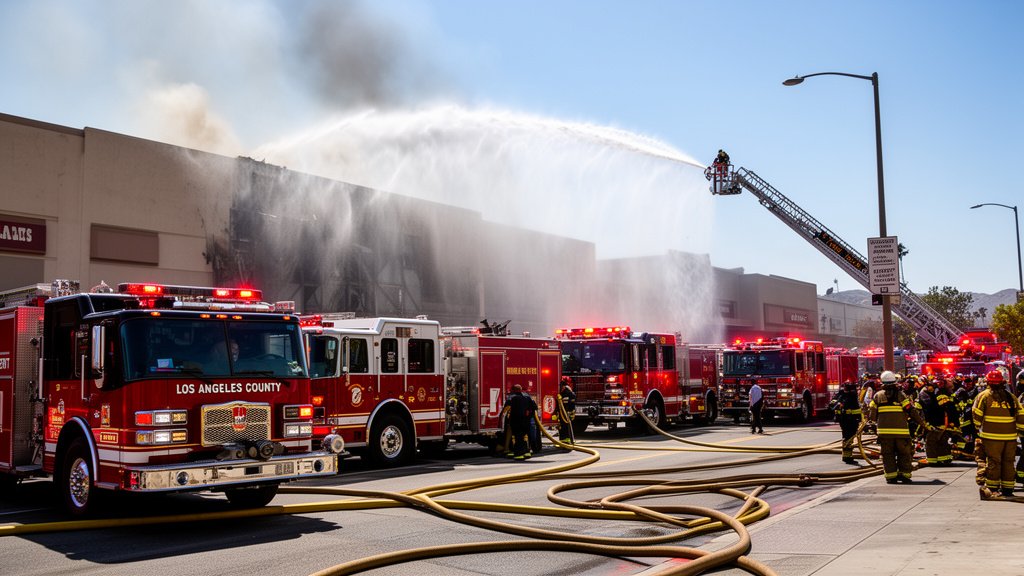
The January 2025 firestorm in Los Angeles was particularly destructive, damaging or destroying over 12,000 homes and causing millions of dollars in property loss. Survivors discovered their homeowner insurance coverage fell far short. This escalating underinsurance crisis affects many, leaving families displaced and facing significant financial hardship, a direct result of inadequate planning amidst rising risks.
The Roots of Underinsurance in the Underinsurance Crisis Americans Experience
This problem is not sudden; American homes have been systematically underinsured for decades, a trend intensifying since the 1990s. Many homeowners assume their policies cover full replacement, but studies show this is often not true. Standard policies have limits and may not cover total replacement costs, exacerbating the Underinsurance Crisis Americans are experiencing.
Several factors contribute to this gap, including rising construction costs. Demand for materials and labor surges after disasters, driving prices up dramatically. Insurers find it hard to predict these spikes and set payout caps to manage solvency. These caps help keep premiums lower, but they leave homeowners with insufficient homeowner insurance coverage.
Climate Change Impact Amplifies the Underinsurance Crisis Americans Navigate
Climate change impact is not the direct cause of underinsurance, but it significantly amplifies the issue. Global warming creates hotter, drier conditions, increasing wildfire frequency and intensity. More homes are built in wildland-urban interfaces, putting more structures at risk, a critical factor in the Underinsurance Crisis Americans must confront.
Wildfires in Western states have destroyed far more buildings, a trend that is accelerating. The OECD notes that average annual economic losses from wildfires more than tripled from 2000-09 to 2014-23. This growing risk strains insurance markets, leading insurers to raise rates, reduce coverage, and even exit high-risk markets entirely, a harsh reality for those affected by the Underinsurance Crisis Americans face.
Insurance Industry Challenges and Responses to the Underinsurance Crisis Americans Face
Major insurers have pulled back from Los Angeles, with companies like State Farm and Allstate stopping offering new policies due to rising risks and construction costs. This limits options for homeowners and drives up premiums. The California FAIR Plan acts as an insurer of last resort but is overwhelmed, and many policies offer limited coverage, a common symptom of the Underinsurance Crisis Americans contend with.
Legislators are taking action. New bills aim to reform insurance practices, focusing on transparency and addressing claims handling. Some propose doubling penalties for violations, while others seek to improve disclosure of damage assessments, hoping to mitigate the effects of the Underinsurance Crisis Americans endure.
Broader Implications for Americans Regarding the Underinsurance Crisis Americans Confront
The situation in Los Angeles has national implications. Many homes across the U.S. are underinsured. An estimated two out of three U.S. households risk underinsurance, an insurance coverage gap that widens with increasing disaster losses. Understanding and addressing the Underinsurance Crisis Americans face is paramount.
Homeowners often misunderstand their policies and may not update coverage annually, leading to insufficient protection. Rising construction costs further exacerbate this. Materials and labor costs have increased significantly, making a thorough insurance policy review essential to combat the Underinsurance Crisis Americans are experiencing.
Looking Ahead: Mitigating the Underinsurance Crisis Americans Endure
The Los Angeles news offers a critical spotlight on the growing gap between insurance coverage and rebuilding costs. Climate change impact intensifies disaster risks, challenging the insurance industry and the effectiveness of homeowner insurance. Homeowners must review their policies carefully; understanding coverage limits is vital for disaster preparedness. Proactive steps are necessary to address the Underinsurance Crisis Americans face, otherwise more individuals could face similar rude surprises.
The future demands adaptation. Insurers, policymakers, and individuals must find solutions to the pervasive Underinsurance Crisis Americans grapple with. Risk reduction and climate resilience are key. Homeowners need adequate protection, ensuring communities can recover from events like the LA wildfires and navigate the complexities of the California insurance market.