Amidst the devastating aftermath of the Eaton Fire, Southern California Edison has initiated significant legal action, filing Eaton Fire Lawsuits that name Los Angeles County and several water agencies as defendants, with SoCalGas also being included. These complex Eaton Fire Lawsuits stem directly from the catastrophic blaze that ignited on January 7, 2025, resulting in the tragic loss of 19 lives and the destruction of over 9,400 homes, making the Eaton Fire Lawsuits a focal point of the region’s recovery. Eaton Fire Lawsuits highlight the immense scale of this disaster.
SoCal Edison contends that these agencies share culpability, alleging their actions exacerbated the fire’s destructive path. Central to the Eaton Fire Lawsuits are claims of alleged failures in issuing timely fire evacuation warnings. Furthermore, the utility asserts that inadequate water supplies from certain agencies critically hampered firefighting efforts. SoCalGas is specifically accused within these Eaton Fire Lawsuits of delaying essential gas shutoffs, a factor Edison believes significantly worsened the situation. The Eaton Fire Lawsuits aim to establish this shared responsibility.
The Eaton Fire’s Devastation and Altadena Fire Victims
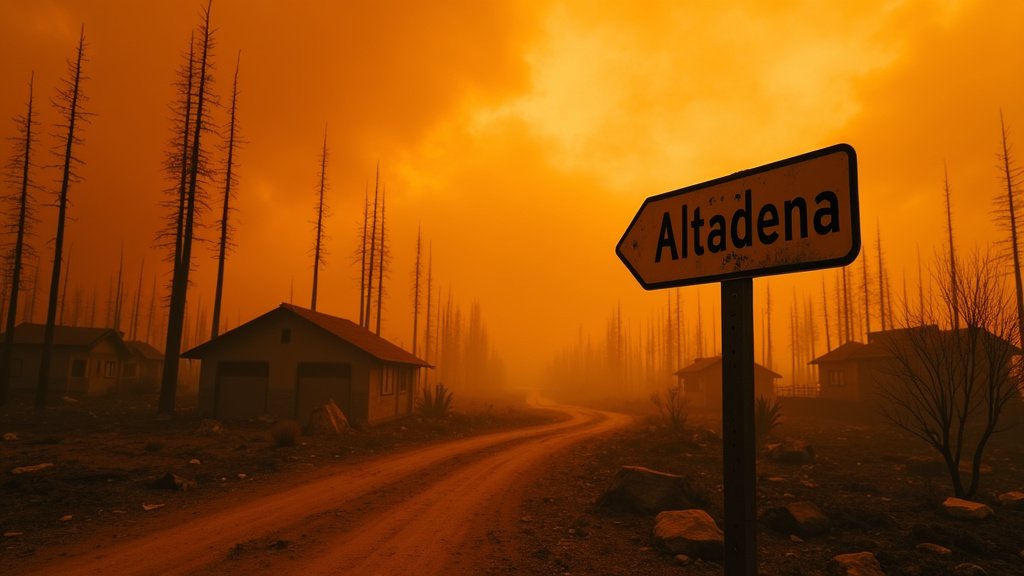
The Eaton Fire raged uncontrollably, consuming 14,021 acres and devastating Altadena and surrounding communities. Fueled by powerful Santa Ana winds reaching up to 100 mph, the blaze quickly became the fifth deadliest and second most destructive wildfire in California history. Firefighters bravely fought the inferno for 25 days before it was fully contained on January 31, 2025. The plight of the Altadena fire victims is a central theme in the ongoing Eaton Fire Lawsuits.
SoCal Edison’s Claims in the Eaton Fire Lawsuits
SoCal Edison has suggested that one of its own idled power lines, inactive for decades, may have been the ignition source for the devastating Eaton Fire. While evidence points towards this historical transmission line as a potential spark, SoCal Edison’s filing of Eaton Fire Lawsuits emphasizes that other contributing factors were crucial to the disaster’s scale.
Significantly, SoCal Edison alleges in its Eaton Fire Lawsuits that Los Angeles County failed to issue prompt fire evacuation warnings. This alleged delay is considered critical, as 18 of the 19 fatalities occurred in west Altadena, with evacuation orders for the area arriving hours after the fire had begun its destructive march. The Eaton Fire Lawsuits underscore the importance of effective emergency communication.
The Eaton Fire Lawsuits also name six water agencies, including Pasadena Water and Power. SoCal Edison’s claims include that these agencies possessed insufficient water supplies, and their systems faltered as the fire escalated, thereby limiting essential resources for firefighters battling the blaze. These alleged water agency failures are a key component of the Eaton Fire Lawsuits.
Claims Against SoCalGas in the Eaton Fire Lawsuits
SoCalGas faces specific accusations within the broader Eaton Fire Lawsuits. Edison alleges that the gas company delayed implementing widespread shutoffs for an extended period. These shutoffs reportedly did not commence until four days after the fire ignited. Edison argues in the Eaton Fire Lawsuits that gas leaks and subsequent fires fed by the gas infrastructure significantly worsened the catastrophe, contributing to its rapid spread and adding another layer to the Eaton Fire Lawsuits.
Legal Context and Counterclaims Surrounding the Eaton Fire Lawsuits
SoCal Edison is currently responding to hundreds of individual lawsuits filed by survivors and families of the Altadena fire victims, facing potential financial liabilities in the billions. Through the Eaton Fire Lawsuits, the utility aims to distribute the financial responsibility among all parties deemed accountable for the devastating California fire disasters. The U.S. Department of Justice has also initiated legal action against SoCal Edison, seeking compensation for damage inflicted upon National Forest lands.
In a prior legal maneuver, Los Angeles County had sued Edison, asserting that the utility’s transmission line was the catalyst for the blaze. Officials in Pasadena have refuted Edison’s assertions, maintaining that evidence clearly indicates Edison’s equipment was the root cause of the fire, a central point of contention in the ongoing Eaton Fire Lawsuits.
Ongoing Investigations and Recovery Efforts Linked to the Eaton Fire Lawsuits
The definitive cause of the Eaton Fire remains under rigorous investigation. Authorities are meticulously examining Edison’s infrastructure, including the dismantling of suspected idled power lines. The comprehensive findings will undoubtedly influence the progression of the Eaton Fire Lawsuits.
Recovery operations continue for the displaced residents of Altadena, many of whom are still grappling with the aftermath of these deadly wildfire causes. Rebuilding efforts are progressing slowly for a significant number of destroyed homes. The enduring impact on the community is still unfolding, and the current legal battles, as highlighted by the Eaton Fire Lawsuits, underscore the complex path toward justice and understanding this tragic event. Local news outlets in Los Angeles continue to provide extensive coverage of these developing situations, including the Eaton Fire Lawsuits and the broader California fire disasters.