A year has passed since the devastating Eaton and Palisades fires, two significant **Los Angeles wildfires** that reshaped landscapes and left many businesses struggling. The fires struck in January 2025, destroying thousands of structures and ranking among California’s most destructive, with total damage climbing into billions of dollars. The lingering effects of these **Los Angeles wildfires** are profound.
The Lingering Scars of Los Angeles Wildfires
The Eaton Fire in Altadena was the second most destructive, and the Pacific Palisades fire ranked third. These fires burned over 38,000 acres, forcing widespread evacuations and reducing homes and businesses to ash. The economic toll is staggering, with estimates projecting **California fire losses** between $76 billion and $131 billion. Over 1,800 small businesses were directly impacted, affecting more than 11,000 jobs, and around 200 commercial properties were lost. The **Los Angeles wildfires** created a difficult recovery period, especially for businesses in the affected zones.
A Slow Path to Recovery from Wildfire Damage
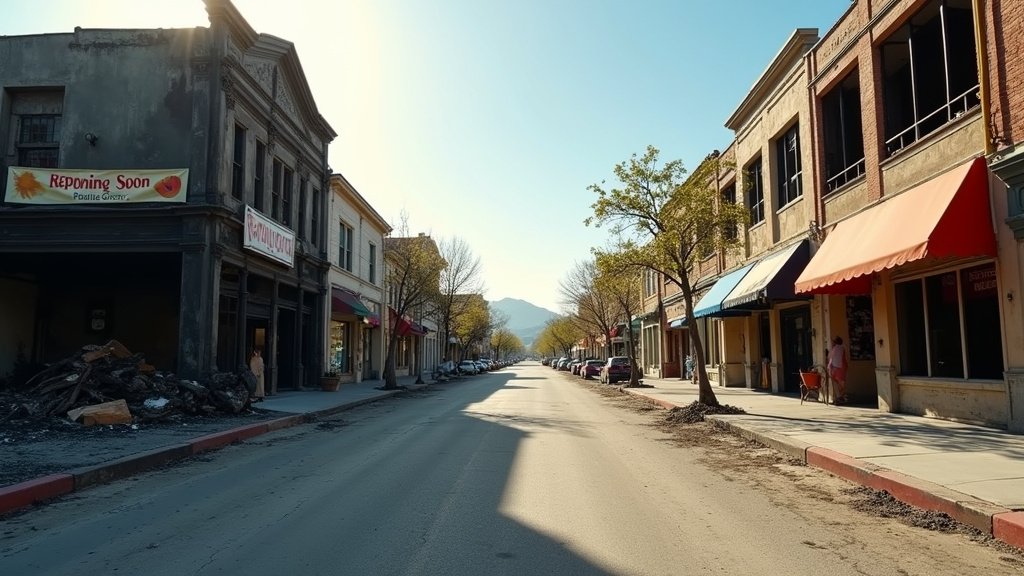
One year later, many businesses remain shuttered. Those that reopened report significant struggles, with customer numbers often cut in half and revenue dropping dramatically. Microbusinesses bore the brunt of losses, forming the backbone of local economies. Altadena’s commercial areas faced a “toxic limbo,” as cleanup efforts prioritized residential areas, often leaving commercial properties behind. Owners grappled with complex insurance claims, and cleanup costs became a major burden. Many felt unsupported through the process. One co-owner lamented, “If we open, we have to start over from scratch,” a quote that captures the immense challenge facing many after the **Los Angeles wildfires**. Some businesses question the viability of rebuilding, while others have simply given up on their **Altadena business struggles**.
Rebuilding Efforts and Hurdles Amidst Los Angeles Wildfires
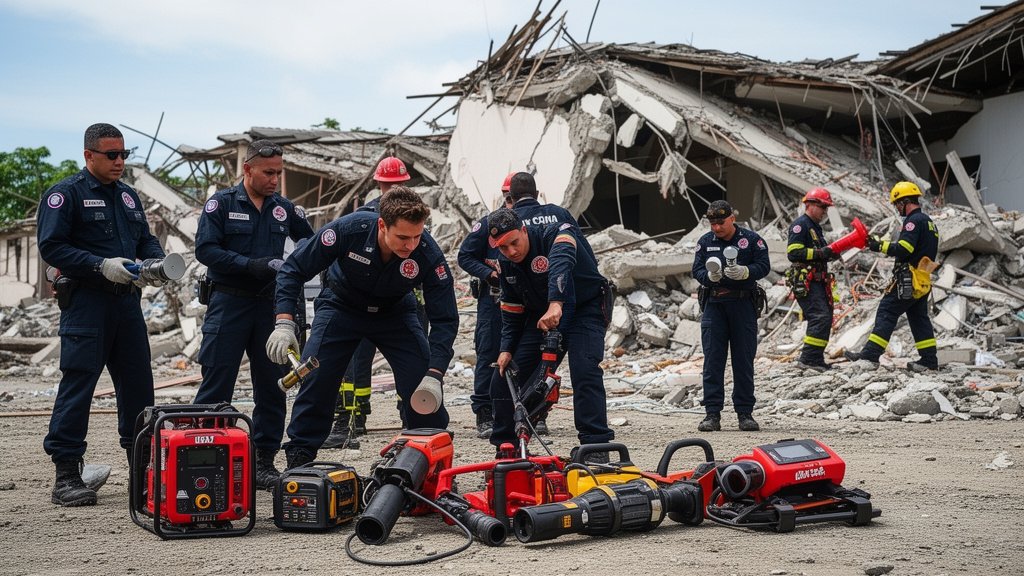
Government agencies stepped in for debris removal, with the U.S. Army Corps of Engineers managing residential cleanup. Commercial properties, however, were excluded, forcing owners to arrange private debris removal, adding significant cost and complexity. Rebuilding permits are being issued faster now, as Los Angeles expedited the process. However, the financial gap is enormous, with committed recovery dollars falling far short of rebuilding costs. It remains unclear where the needed capital will come from. The **wildfire economic impact** study spotlights this issue, projecting substantial job losses and wage reductions, with millions in tax revenue potentially lost due to the **Los Angeles wildfires**.
Hope Amidst the Rubble: Pacific Palisades Recovery
Despite the hardships, signs of recovery are emerging. Erewhon, a popular grocer, is set to reopen in Pacific Palisades, with its rebuilt store expected around August 2026. CVS Pharmacy also reopened its doors in September 2025. Palisades Village, a retail center, is undergoing renovations and should reopen in early 2026. These openings offer a beacon of hope and signal a community’s resilience following the **Palisades fire aftermath**. Community efforts are underway to support local vendors, and grants are being distributed. However, these efforts are not enough for all affected by the **Los Angeles wildfires**.
The Long Road Ahead for Business Recovery LA
The aftermath of the January 2025 wildfires continues to impact Los Angeles. Businesses face an uncertain future, and the path to full recovery is long, requiring sustained support and investment. The news from these affected communities highlights ongoing struggles. Business owners are determined and working to rebuild their lives and livelihoods. The resilience of Los Angeles businesses is being tested, and their **business recovery LA** is crucial for the region’s economic health following the devastating **Los Angeles wildfires**.