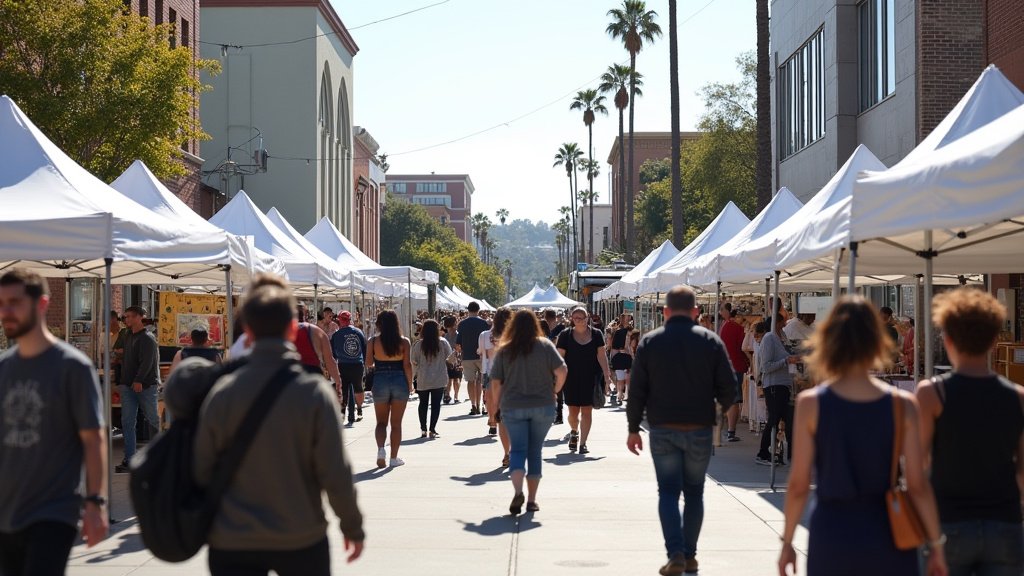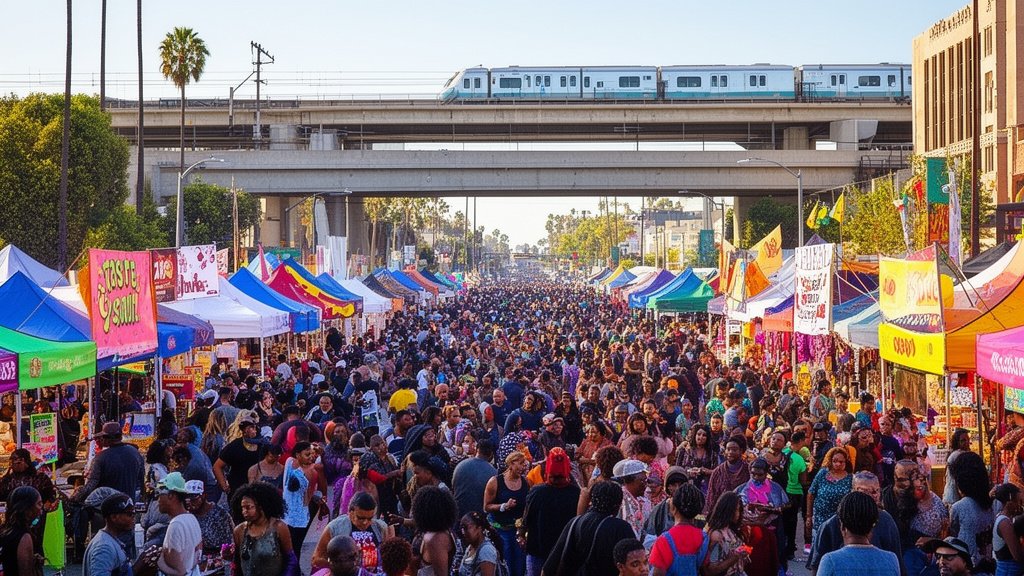
The vibrant pulse of South Los Angeles returns to Crenshaw Boulevard this Saturday, October 17th, as the annual Taste of Soul festival dominates the city’s cultural calendar. As one of the largest street festivals in California, this event serves as a massive homecoming, drawing hundreds of thousands of attendees eager to experience an unparalleled fusion of Black culture, soul food, live music, and community engagement. With the festival occupying a significant stretch of the historic Crenshaw corridor, navigation is the primary challenge for attendees. By utilizing the Los Angeles County Metropolitan Transportation Authority (Metro) system—specifically the K-Line—residents and visitors can bypass the logistical nightmare of gridlock traffic and parking scarcity that typically defines major LA events.
Key Highlights
- Festival Date: Saturday, October 17th, marking the return of Taste of Soul to Crenshaw Boulevard.
- Transit Strategy: Attendees are strongly encouraged to use the Metro K-Line, which offers direct access to the festival grounds, reducing reliance on personal vehicles.
- Cultural Impact: The event serves as an economic engine for South LA, highlighting local Black-owned businesses, independent vendors, and regional musical talent.
- Weekend Context: Beyond Taste of Soul, the October 16-18 weekend features a diverse array of fall-themed activities across the LA basin, making it a critical window for community engagement.
Navigating the Soul of the City
The logistics of Taste of Soul have evolved alongside the infrastructure of South Los Angeles. In years past, the “Crenshaw gridlock” was an expected tax for attending the festival. Today, the operational maturity of the Metro K-Line has fundamentally altered how Angelenos access the event. For the savvy festival-goer, the strategy is simple: swap the car keys for a TAP card. By arriving via the K-Line—which runs directly through the festival zone—attendees not only save hours of time spent in traffic but also support the very transit-oriented development that Crenshaw Boulevard advocates have fought for over the past decade. This transit-first approach is not just a recommendation; it is an E-E-A-T (Experience, Expertise, Authoritativeness, Trustworthiness) necessity for maximizing the festival experience.
The Economic Engine of Crenshaw Boulevard
Beyond the music and the aroma of barbecue and collard greens, Taste of Soul acts as a significant economic catalyst. The festival provides a centralized platform for hundreds of local entrepreneurs, artists, and restaurateurs to reach a massive audience. For many small businesses, the revenue generated during this single Saturday represents a substantial percentage of their quarterly earnings. When we analyze the economic footprint, it is clear that the festival is less of a “pop-up event” and more of a critical marketplace. Supporting these vendors is an act of local economic investment, grounding the festival in a tradition of community wealth-building that has sustained South LA for generations.
The “Fall Events” Calendar: October 16-18
While Taste of Soul is the undeniable crown jewel of the weekend, the broader October 16-18 window offers a unique snapshot of Los Angeles’ seasonal transition. As the city cools, the demand for outdoor social spaces increases. From the pumpkin patches in the suburban periphery to the sophisticated gallery openings in the Arts District, this weekend represents a peak period for cultural consumption. When planning your route, consider how these overlapping events affect public transit load. The integration of the E-Line (Expo) with the K-Line allows attendees to pivot from the cultural depth of South LA to the coastal activities of the Westside with relative ease. This connectivity is the hallmark of a modern, efficient Los Angeles.
Cultural Preservation and Future Outlook
There is a profound historical weight to hosting this festival on Crenshaw Boulevard. This corridor has been the epicenter of Black civic life in Los Angeles for decades. As the city continues to undergo gentrification and demographic shifts, the persistence of the Taste of Soul festival acts as an anchor, maintaining the cultural identity of the area. Looking ahead, the challenge for organizers will be balancing the event’s explosive growth with the preservation of its intimate community feel. As technology continues to bridge the gap between transit agencies and event organizers, expect future iterations to include more real-time crowd management tools and digital vendor directories, further professionalizing an event that remains deeply human in its spirit.
FAQ: People Also Ask
1. What is the best Metro stop for Taste of Soul?
Attendees should utilize the Metro K-Line. The stations serving the Crenshaw corridor provide the most direct access to the festival grounds, allowing you to walk straight into the heart of the activity.
2. Is there parking available near the festival?
Parking is extremely limited and heavily restricted due to street closures on Crenshaw Boulevard. Experts strongly advise against driving, as traffic congestion is severe and parking lots fill up well before noon.
3. What are the operating hours for Taste of Soul?
While individual vendor hours vary, the festival typically runs throughout the day on Saturday. It is recommended to arrive early, before the midday peak, to ensure the best access to food vendors and live performances.
4. Can I bring pets or large bags?
While specific policies can change, festival organizers generally discourage large bags and unruly pets due to the extreme density of the crowds. It is best to check the official Taste of Soul website for the most current security protocols regarding entry.