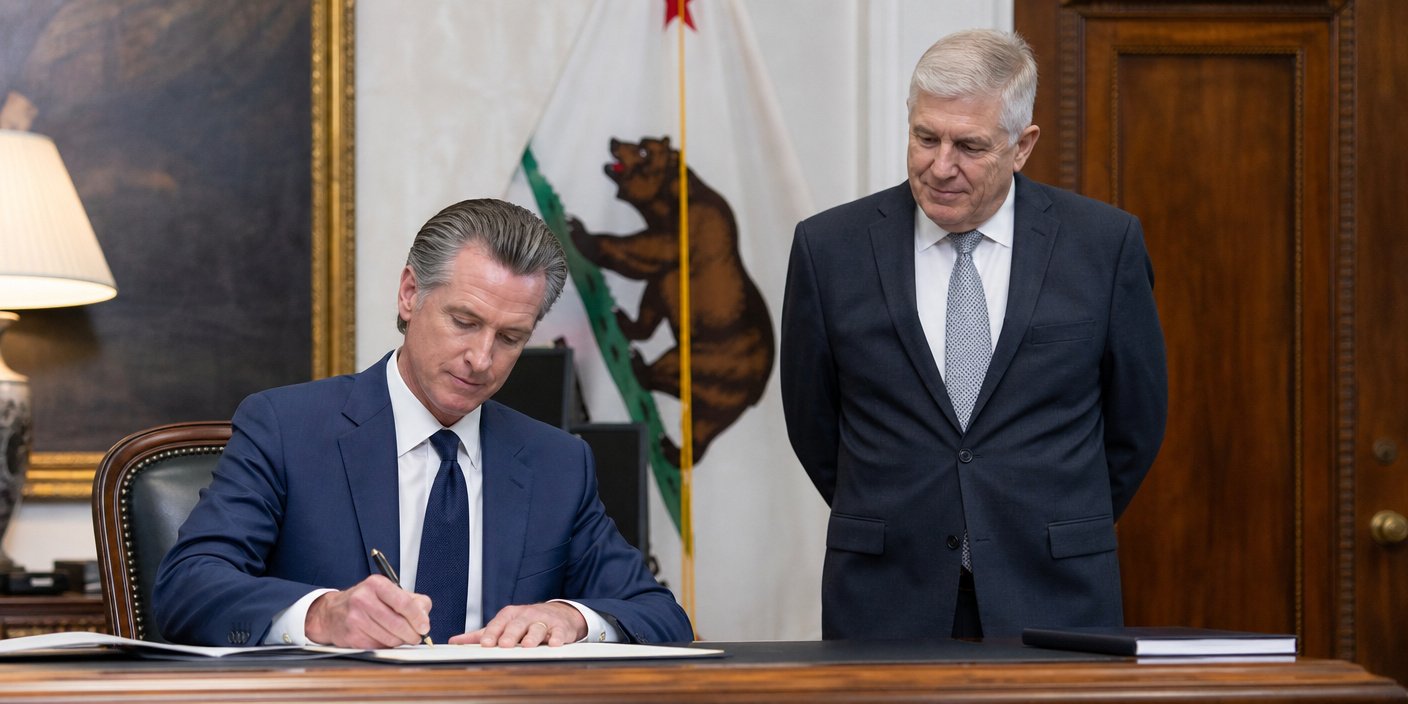
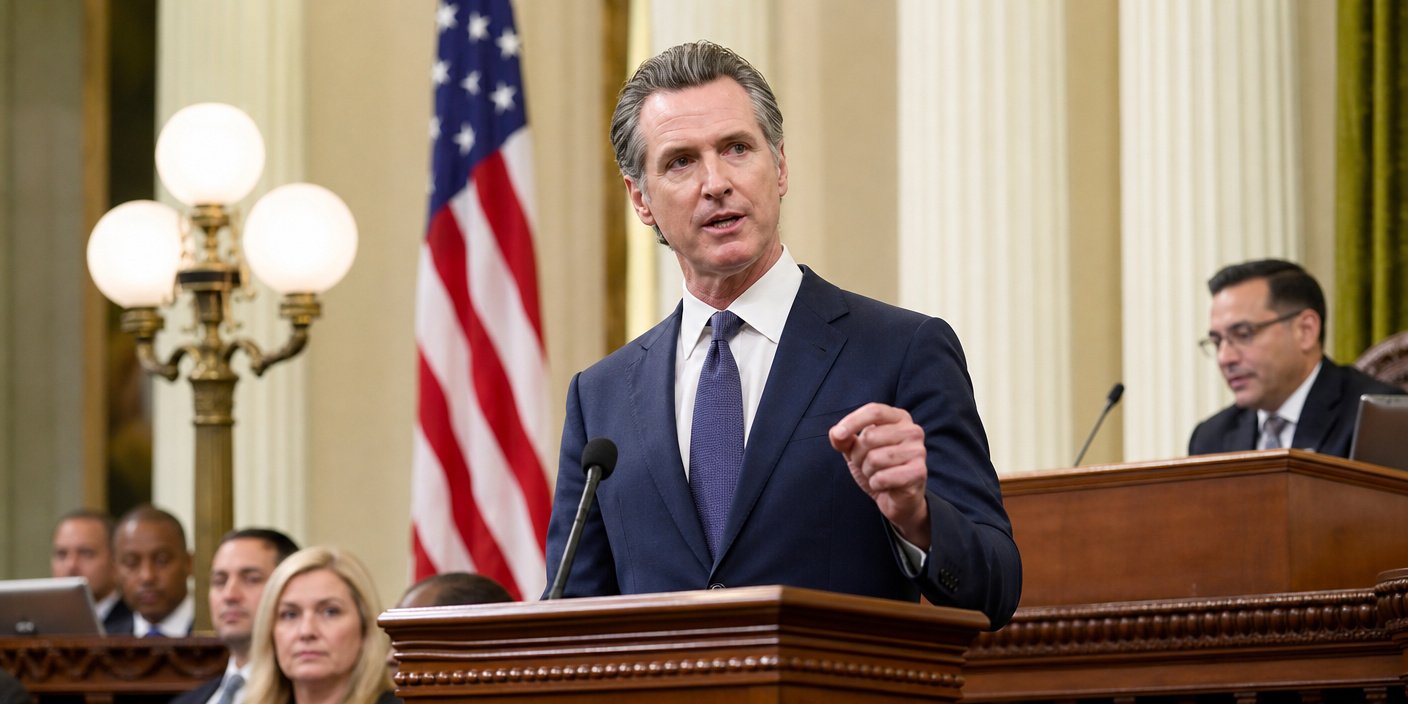
Governor Gavin Newsom is pushing for urgent legislative intervention to address the mounting financial liabilities faced by California’s major utilities as they grapple with the staggering costs of wildfire damages. The move, timed as a critical legislative priority, aims to prevent the systemic collapse of utility financial models that have been strained by increasingly severe wildfire seasons and the state’s rigorous legal standards for utility accountability. As lawmakers debate the proposal, the administration finds itself balancing the necessity of maintaining operational utility infrastructure with mounting pressure from critics who fear that new policy concessions could function as “bailouts” at the expense of already burdened ratepayers.
Key Highlights
- Legislative Urgency: Newsom’s push aims to provide a regulatory safety net for utilities, preventing insolvency as they face multi-billion dollar wildfire damage claims.
- The Financial Conflict: The core issue involves balancing the state’s “inverse condemnation” liability, which can make utilities strictly liable for fire damages, with the need to fund grid-hardening and safety improvements.
- Ratepayer Concerns: Critics argue that these measures shift the financial burden of utility mismanagement onto consumers through increased monthly utility bills.
- Systemic Risk: The legislation seeks to address long-term stability in a landscape where climate change has made wildfires a perpetual, high-cost threat.
The Fiscal Tightrope: Reevaluating Utility Liability and Climate Impact
California’s utility sector is currently trapped in a high-stakes cycle of financial instability triggered by the state’s vulnerability to wildfires. Driven by prolonged drought conditions and climate change, the state’s wildfire seasons have expanded in intensity and scope. For California’s major investor-owned utilities—specifically Pacific Gas & Electric (PG&E) and Southern California Edison (SCE)—the primary challenge stems from the legal doctrine of “inverse condemnation.” Under this doctrine, utilities can be held strictly liable for property damage caused by their equipment, regardless of whether negligence is proven. This legal reality has left the state’s utility providers facing billions in potential liabilities, threatening their credit ratings and their ability to finance critical safety infrastructure.
The Historical Precedent of Financial Instability
The specter of PG&E’s 2019 bankruptcy following the devastating Camp Fire remains a vivid case study in what Newsom’s administration is desperate to avoid. When utility giants face insolvency, the ripple effects are felt across the state, from the availability of capital for grid upgrades to the reliability of power delivery. Newsom’s current legislative push is an attempt to create a more predictable financial framework that prevents such collapses while ensuring utilities remain solvent enough to invest in undergrounding power lines and replacing aging infrastructure. The administration argues that without state-level intervention, the utilities’ ability to borrow funds for essential safety work will evaporate, leaving the state even more vulnerable to future fires.
The Legislative Mechanism: Bailout vs. Policy Reform
At the heart of the debate is the tension between what supporters call “fiscal policy” and what critics characterize as a “utility bailout.” Newsom’s administration has proposed mechanisms that would ostensibly streamline the process by which utilities can recover wildfire-related costs from ratepayers, provided they meet strict safety performance metrics. Proponents argue this is a necessary evolution of regulatory oversight, moving away from a punitive model toward an incentive-based system that forces utilities to harden the grid.
Conversely, consumer advocacy groups contend that the plan essentially socializes the losses of private companies. They argue that utilities should shoulder the financial burden of failing to adequately maintain equipment, rather than passing costs down to the average Californian household. The legislation, if passed, would likely include provisions for the California Public Utilities Commission (CPUC) to exert greater oversight, but skeptics maintain that the regulatory capture of past years makes such oversight insufficient to protect the consumer interest.
Infrastructure, Insurance, and the Future of the Grid
Beyond immediate liabilities, the legislative effort aims to address the long-term insurability of California’s grid. As utilities become high-risk entities, securing private insurance has become increasingly expensive and difficult, with many insurers pulling back from the wildfire-prone western United States. The state’s intervention acts as a de facto insurance policy, ensuring the grid remains operational while long-term climate adaptation strategies—such as the massive, multi-year, multi-billion dollar “undergrounding” projects—are implemented.
This infrastructure shift is arguably the most critical component of the debate. Undergrounding lines eliminates the risk of sparking fires during high-wind events, but the capital expenditure required is immense. Newsom’s team argues that without a stable financial foundation, the utilities cannot secure the financing needed to accelerate these undergrounding projects. Thus, the administration presents the legislation not as a favor to utility shareholders, but as a mandatory utility safety mandate that keeps the lights on and the forest safe.
The Political Fallout
The legislative debate is further complicated by the political landscape. With California’s energy prices already among the highest in the nation, any proposal that could lead to even moderate increases in rates is politically toxic. Newsom must navigate a path that satisfies the demands of Wall Street—which requires certainty that utilities can pay their debts—and the demands of the California public, who are weary of rising costs and utility-linked disasters. The final legislative package will likely involve a delicate compromise: potentially capping rate increases while granting utilities limited “cost-recovery” protections, contingent on verifiable safety outcomes monitored by third-party auditors. The success of this policy will depend entirely on the enforcement mechanisms. If the state creates a system that guarantees financial recovery for utilities without strictly enforcing safety standards, it risks moral hazard; if it is too restrictive, it risks the very utility insolvency it seeks to prevent.
FAQ: People Also Ask
1. What is the main cause of the current financial crisis for California utilities?
The crisis is primarily driven by “inverse condemnation” liability, where utilities are held liable for wildfire damages caused by their equipment regardless of negligence. This, combined with more severe wildfire seasons, has led to multi-billion dollar liabilities.
2. How do these legislative pushes affect the average Californian’s utility bill?
Legislative pushes to allow utilities to recover wildfire costs often lead to requests for rate hikes. If the state allows utilities to pass these costs onto consumers, it results in higher monthly utility bills for residents and businesses.
3. What is “undergrounding” and why is it important?
Undergrounding refers to moving power lines from overhead poles into buried conduits. This is considered a critical safety measure because it prevents trees or equipment failures from causing sparks during high-wind events, significantly reducing wildfire risk.
4. Is this proposal considered a bailout of private companies?
Critics argue that shifting liability costs onto ratepayers constitutes a bailout for private utility shareholders. The administration defends the move as necessary fiscal policy to maintain infrastructure stability and avoid utility bankruptcy, which would disrupt power delivery statewide.