Southern California is experiencing a dangerous heat wave, with temperatures soaring into the triple digits in many areas. An extreme heat warning is in effect for most of the region, with the peak expected midweek. Residents are advised to take the heat seriously, stay indoors if possible, and use air conditioning or seek cooler locations. The San Fernando Valley, particularly Woodland Hills, is expected to reach 110 degrees Fahrenheit, while the Antelope Valley could also reach near 110 degrees, and Santa Clarita is forecast to be around 105-106 degrees. Low temperatures overnight are expected to remain in the 70s, offering little relief. The heat is also increasing fire risks, with new wildfires breaking out across the state, including the Zebra fire in Azusa.
Key Highlights:
- Triple-digit temperatures are gripping Southern California.
- An extreme heat warning is active for much of the region.
- Specific areas like Woodland Hills and Antelope Valley face highs near 110°F.
- Overnight lows in the 70s provide minimal respite.
- Increased wildfire risk is a significant concern amid the heat.
Sweltering Intensity: Southern California Endures Extreme Heat
The vast expanse of Southern California is currently trapped in a brutal and unforgiving heat wave, pushing temperatures to dangerous triple-digit figures across numerous inland and valley communities. The National Weather Service has issued an extreme heat warning, a critical alert that underscores the severity of the situation and the potential health risks to residents. This warning remains in effect for a significant portion of the populous region, with forecasters indicating that the most intense heat is expected to peak midweek, offering little immediate prospect of relief. The pervasive nature of this heat wave means that even nighttime temperatures are failing to drop significantly, with lows predicted to linger in the 70s, a stark indicator of the oppressive conditions.
Localized Hotspots and Forecasted Extremes
Certain areas within Southern California are bearing the brunt of this extreme heat, with specific forecasts highlighting alarming temperature projections. The San Fernando Valley, a densely populated urban area, is particularly vulnerable. Woodland Hills, a prominent neighborhood within this valley, is bracing for temperatures to reach a scorching 110 degrees Fahrenheit. Similarly, the Antelope Valley, situated to the north, is also expected to experience highs close to the 110-degree mark. Further south and east, Santa Clarita residents are facing forecasts of around 105 to 106 degrees Fahrenheit. These localized predictions paint a grim picture of the widespread thermal stress impacting millions of people across Southern California.
Health and Safety Advisories Amidst Record Heat
Health officials are imploring residents to take the escalating temperatures with the utmost seriousness. The advice is clear: stay indoors in air-conditioned environments whenever possible. For those without adequate cooling at home, seeking refuge in public cooling centers, libraries, or other climate-controlled public spaces is strongly recommended. Dehydration and heatstroke are significant risks, and vulnerable populations, including the elderly, young children, and individuals with pre-existing health conditions, are particularly susceptible. The prolonged exposure to such extreme heat can lead to severe health consequences, underscoring the importance of heeding all public health advisories.
The Escalating Wildfire Threat
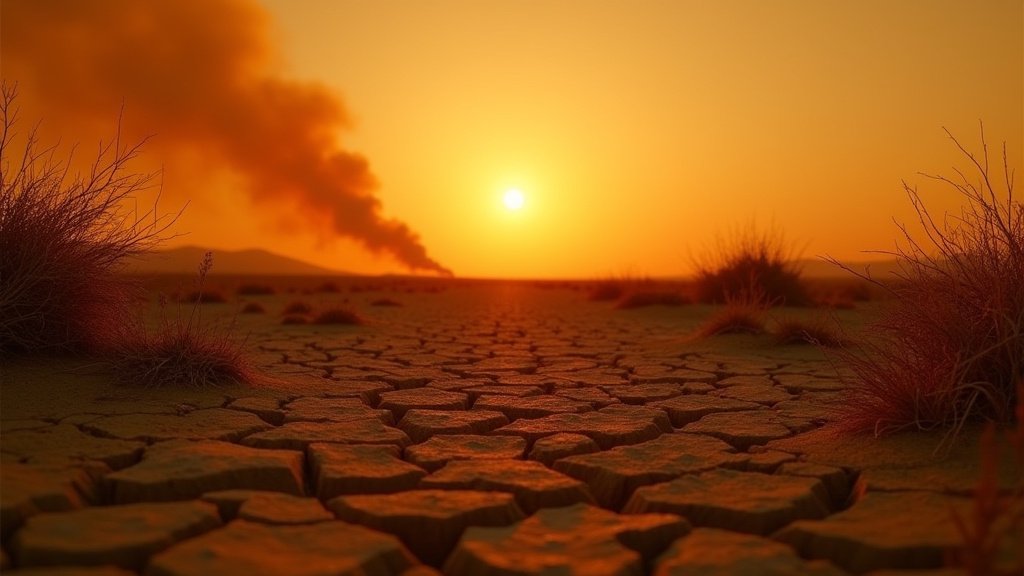
Beyond the direct health impacts on humans, the intense heat wave is dramatically increasing the risk of wildfires across the already parched landscape of California. Dry vegetation, combined with high temperatures and often gusty winds, creates a highly volatile environment. This dangerous synergy has already led to the outbreak of new fires across the state. A notable example is the Zebra fire, which ignited in Azusa, a city in Los Angeles County, demonstrating the immediate and tangible threat posed by the current weather conditions. Fire departments are on high alert, and residents in fire-prone areas are urged to be exceptionally cautious with any outdoor activities that could spark a blaze.
Secondary Angle: The Strain on Infrastructure
This prolonged period of extreme heat places a significant strain on the region’s power grid as demand for air conditioning soars. Energy providers are closely monitoring consumption and urging customers to conserve electricity during peak hours to prevent outages. The interconnectedness of this heat wave’s impacts is becoming increasingly apparent, with public health, fire safety, and essential services all under pressure.
Secondary Angle: Environmental and Ecological Impact
The ecological ramifications of such extreme heat events are also profound. Water resources are depleted faster due to increased evaporation and demand. Local flora and fauna, often adapted to specific temperature ranges, face considerable stress, potentially impacting biodiversity and ecosystem health in the long term. This sustained heat can have lasting effects on plant life, exacerbating drought conditions and altering natural habitats.
Secondary Angle: Economic Consequences of Heat Waves
The economic impact of intense heat waves can be substantial. Increased energy consumption leads to higher utility bills for households and businesses. Reduced outdoor work productivity, particularly in sectors like construction and agriculture, can result in lost wages and economic slowdowns. Furthermore, the cost of wildfire suppression and recovery efforts adds another significant financial burden to the state and local economies. Businesses that rely on outdoor activities or tourism may also experience direct losses due to uncomfortable or unsafe conditions.
FAQ: People Also Ask
What are the main dangers of this heat wave?
The primary dangers include heatstroke, heat exhaustion, dehydration, and exacerbation of pre-existing health conditions. The extreme heat also significantly increases the risk of wildfires due to dry vegetation.
What precautions should residents take?
Residents should stay hydrated, limit outdoor activities during peak heat hours, stay in air-conditioned environments, check on vulnerable neighbors, and be aware of wildfire risks. Cooling centers are available for those without adequate air conditioning.
Which areas are expected to be the hottest?
Areas like the San Fernando Valley (specifically Woodland Hills), the Antelope Valley, and Santa Clarita are forecast to experience the most extreme temperatures, with highs potentially reaching 110°F in some locations.
How long is this heat wave expected to last?
The peak of the heat wave is expected midweek, but temperatures are forecast to remain elevated for an extended period, with overnight lows offering little relief.
What is an extreme heat warning?
An extreme heat warning signifies that a prolonged period of dangerously hot temperatures will occur. It alerts the public to the increased risk of heat-related illnesses and advises them to take necessary precautions.