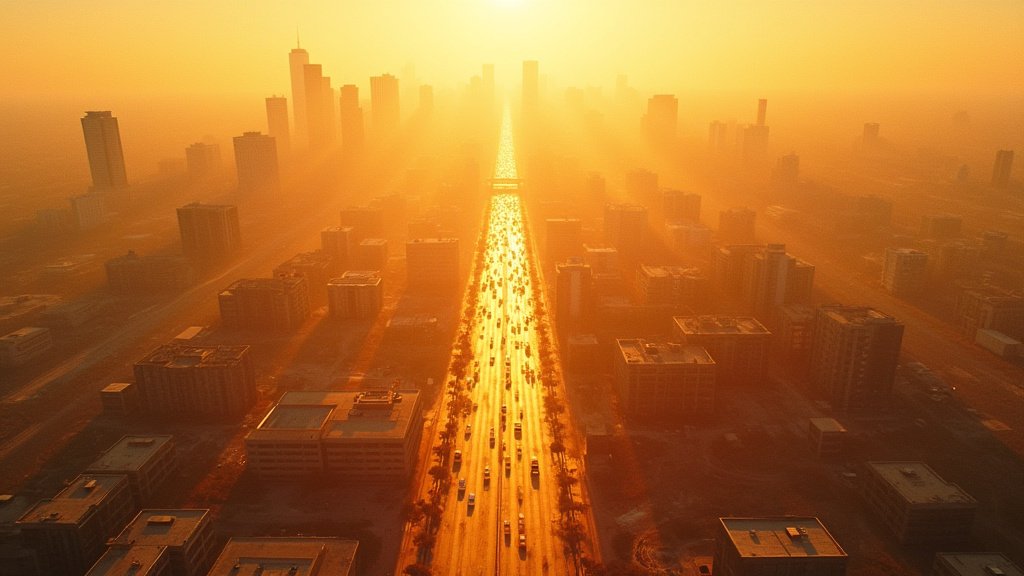
Los Angeles is bracing for a significant heatwave, with temperatures expected to soar to dangerous levels across the region starting this weekend. City officials are urging residents to take precautions, stay hydrated, and check on vulnerable neighbors as the mercury climbs.
Key Highlights:
- Extreme heat is forecast to hit Los Angeles this weekend, with temperatures potentially exceeding 100°F in some inland areas.
- Cooling centers are being prepared and will open their doors to the public.
- Health officials are emphasizing the risks of heat-related illnesses, especially for the elderly and those with pre-existing conditions.
- Emergency services are on high alert to respond to potential heat-related incidents.
Heatwave Grips Southern California
The National Weather Service has issued an Excessive Heat Watch for large swathes of Southern California, including the Los Angeles basin, the San Gabriel Mountains, and the Antelope Valley. Forecasters predict a rapid increase in temperatures beginning Friday and peaking on Sunday and Monday, with many areas experiencing their hottest weather of the year so far. Inland valleys and desert communities are expected to bear the brunt, with temperatures potentially reaching 105-110°F. Even coastal areas, typically moderated by ocean breezes, will see a noticeable spike, with forecasts predicting highs in the upper 80s to low 90s.
Health and Safety Precautions
City and county health departments are activating heat emergency plans. These plans involve opening public cooling centers in libraries, recreation centers, and other designated facilities. Residents are advised to limit outdoor activities during the hottest parts of the day, typically between 10 a.m. and 4 p.m. Staying indoors in air-conditioned spaces is the most effective way to avoid heatstroke and other heat-related ailments. When venturing outside is necessary, wearing lightweight, light-colored clothing, using sunscreen, and drinking plenty of water are crucial. It’s also advised to consume light, easy-to-digest meals and avoid strenuous physical exertion. The Department of Public Health is particularly concerned about the homeless population and has coordinated with outreach workers to provide resources and hydration.
Cooling Centers and Resources
Los Angeles is setting up a network of cooling centers to provide relief for residents who lack adequate air conditioning. These centers will offer a safe, cool environment with access to water and restrooms. A list of operating cooling centers, including their hours and locations, will be made available on the City of Los Angeles official website and through local news outlets. Residents are encouraged to call 311 for information or assistance in locating a nearby cooling center. The Los Angeles Fire Department and County Fire Department will also be increasing their patrols and readiness to respond to emergency calls related to the heat, including welfare checks for at-risk individuals.
Understanding the Risks
Extreme heat poses a serious threat to human health. Symptoms of heat exhaustion include heavy sweating, cold, clammy skin, a fast, weak pulse, nausea, vomiting, muscle cramps, and fainting. If left untreated, heat exhaustion can progress to heatstroke, a life-threatening condition characterized by a high body temperature (103°F or higher), hot, red, dry, or damp skin, a rapid, strong pulse, and confusion or unconsciousness. Emergency medical services should be called immediately if heatstroke is suspected. Pets are also vulnerable to extreme heat. Owners should ensure their animals have access to plenty of fresh water and shade and avoid walking them on hot pavement.
Secondary Angles: Climate Change and Urban Planning
This impending heatwave serves as a stark reminder of the intensifying impacts of climate change on urban environments. Los Angeles, like many major cities, is grappling with the urban heat island effect, where concrete and asphalt absorb and retain heat, leading to higher temperatures in developed areas compared to surrounding rural areas. This phenomenon exacerbates the impact of natural heatwaves. Long-term strategies discussed by city planners include increasing green spaces, promoting cool roof technologies, and improving public transportation to reduce reliance on personal vehicles, which contribute to emissions. The city is also exploring more resilient infrastructure to withstand extreme weather events.
FAQ: People Also Ask
Q: What are the main dangers of extreme heat in Los Angeles?
A: The main dangers include heat exhaustion, heatstroke, dehydration, and the exacerbation of pre-existing health conditions. For vulnerable populations like the elderly, children, and those without access to cooling, the risks are significantly higher.
Q: How can I find a cooling center in Los Angeles?
A: Information on cooling centers will be available on the City of Los Angeles official website, local news channels, and by calling 311. These centers are typically located in public buildings like libraries and recreation centers.
Q: Is it safe to exercise outdoors during a heatwave?
A: It is strongly advised to avoid strenuous outdoor activities during the hottest parts of the day (10 a.m. to 4 p.m.) when temperatures are at their peak. If exercise is necessary, it should be done in the early morning or late evening, with plenty of hydration and reduced intensity.
Q: What should I do if I suspect someone is suffering from heatstroke?
A: Call 911 immediately. While waiting for help, move the person to a cooler place, loosen their clothing, and try to cool them down with cool cloths or a bath. Do not give them fluids if they are unconscious or confused.