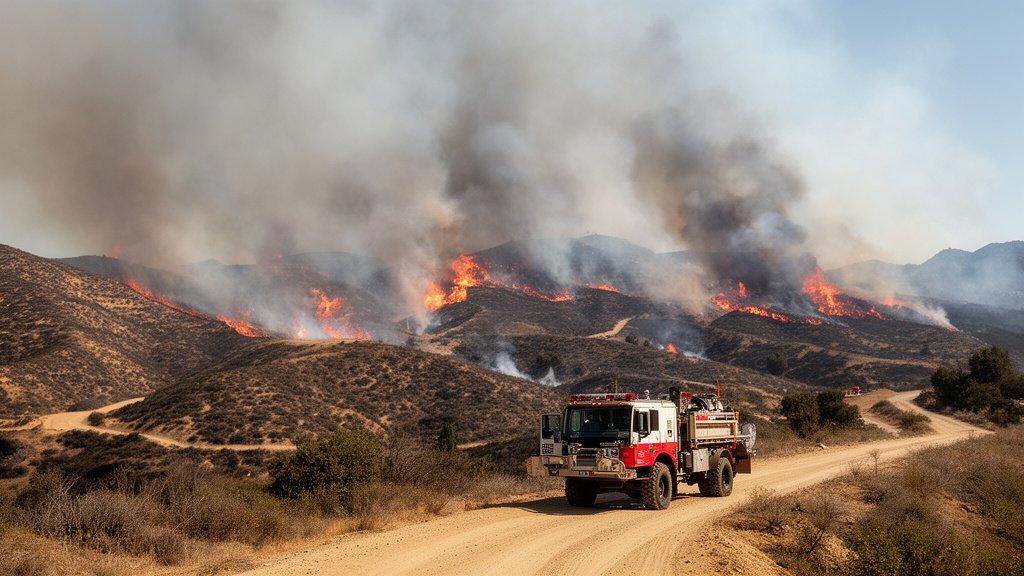
A new Los Angeles Times investigation has cast a critical light on the city’s behind-the-scenes actions and internal communications following the devastating Palisades Fire. The report details a complex web of decisions and reactions, raising questions about the effectiveness and transparency of the city’s emergency response protocols.
Key Highlights:
- The LA Times investigation uncovers internal city communications not previously disclosed.
- Questions are raised about the timing and nature of public information releases regarding the fire.
- The report scrutinizes resource allocation and decision-making processes during the crisis.
- Residents and officials express concerns about preparedness for future large-scale incidents.
Unpacking the City’s Fire Response
The recent LA Times investigation into the city’s handling of the Palisades Fire has ignited a fresh wave of scrutiny, peeling back layers of internal deliberations and external perceptions. The report, based on interviews and a review of internal documents, suggests a more complex and perhaps less coordinated response than initially presented to the public. At the heart of the investigation lies the crucial period between the fire’s ignition and its containment, a timeframe during which critical decisions were made, resources were deployed, and information was disseminated.
The Communication Conundrum
One of the most significant threads emerging from the investigation is the nature of internal communications within city agencies. The LA Times suggests that a disconnect may have existed between different departments, potentially leading to delays in unified action or a clear public message. The report delves into the specifics of email exchanges, internal memos, and meeting minutes, painting a picture of a bureaucratic machinery grappling with a rapidly evolving, high-stakes situation. This focus on communication breakdown is crucial, as effective information flow is paramount in managing public safety emergencies.
Resource Allocation and Decision Lag
Beyond communication, the investigation probes into how resources were allocated and whether decisions were made in a timely and efficient manner. The Palisades Fire, like many large-scale wildfires, demanded rapid deployment of personnel, equipment, and strategic planning. The LA Times report seeks to understand if the city’s response was proactive or reactive, and if the available resources were optimally utilized given the threat. This includes examining the chain of command and the authority vested in different officials during such crises.
Public Perception vs. Internal Reality
The findings also highlight a potential gap between the public’s perception of the city’s response and the internal reality. Official statements and public briefings are designed to reassure and inform, but the investigation suggests that behind the scenes, the process may have been more fraught with challenges. Understanding this discrepancy is vital for rebuilding public trust and ensuring that future responses are not only effective but also perceived as such.
Lessons for Future Incidents
The Palisades Fire, while a specific event, serves as a case study for the broader challenges of urban wildfire management. The LA Times investigation implicitly calls for a re-evaluation of existing protocols, emphasizing the need for enhanced preparedness, clearer communication channels, and more agile decision-making processes. The findings are likely to fuel ongoing discussions about climate change impacts, urban planning in fire-prone areas, and the city’s overall resilience.
FAQ: People Also Ask
What was the Palisades Fire?
The Palisades Fire was a wildfire that occurred in the Santa Monica Mountains near Los Angeles, California. It burned a significant number of acres and prompted evacuations in the affected areas.
What is the LA Times known for in its investigations?
The Los Angeles Times is renowned for its in-depth investigative journalism, often uncovering significant issues in government, business, and society through rigorous research, data analysis, and source cultivation.
How do city agencies typically coordinate during a wildfire?
During a wildfire, city agencies typically coordinate through established emergency management protocols, involving departments like Fire, Police, Emergency Management, and Public Works, often under the leadership of a unified command structure.
What are the main challenges in responding to large wildfires in urban areas?
Key challenges include rapid fire spread due to weather conditions, difficult terrain, the need for timely evacuations, protecting infrastructure, managing public communication, and coordinating numerous response agencies.## FAQ: People Also Ask
What was the Palisades Fire?
The Palisades Fire was a wildfire that occurred in the Santa Monica Mountains near Los Angeles, California. It burned a significant number of acres and prompted evacuations in the affected areas.
What is the LA Times known for in its investigations?
The Los Angeles Times is renowned for its in-depth investigative journalism, often uncovering significant issues in government, business, and society through rigorous research, data analysis, and source cultivation.
How do city agencies typically coordinate during a wildfire?
During a wildfire, city agencies typically coordinate through established emergency management protocols, involving departments like Fire, Police, Emergency Management, and Public Works, often under the leadership of a unified command structure.
What are the main challenges in responding to large wildfires in urban areas?
Key challenges include rapid fire spread due to weather conditions, difficult terrain, the need for timely evacuations, protecting infrastructure, managing public communication, and coordinating numerous response agencies.