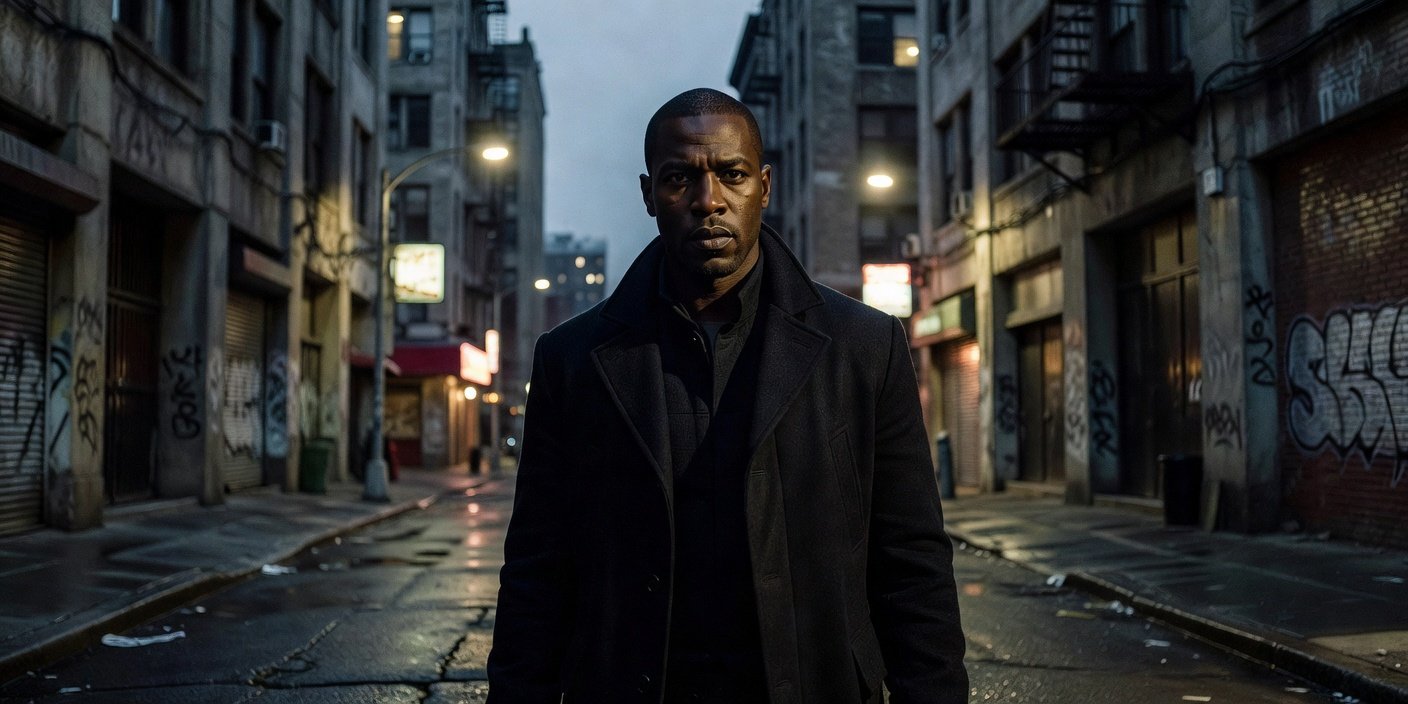
Netflix’s highly anticipated adaptation of A.J. Quinnell’s ‘Man on Fire’ has officially debuted, placing Emmy winner Yahya Abdul-Mateen II in the boots of the embattled ex-operative John Creasy. Moving away from the shadows of previous cinematic interpretations, this new series leans into the serialized format to explore the slow-burning trauma of a man caught between his violent history and a desperate need for redemption. With critical reception highlighting a grounded, albeit sometimes uneven, approach to the source material, the series marks a significant creative swing for the streaming giant as it attempts to modernize a classic thriller property for a contemporary audience.
Key Highlights
- A New Creasy: Yahya Abdul-Mateen II delivers a nuanced performance that trades the explosive rage of previous iterations for a more internal, PTSD-ridden version of John Creasy.
- Serialized Adaptation: Unlike the 2004 film, the Netflix series uses the long-form episodic format to delve deeper into Creasy’s background and the complexities of his mission.
- Creative Shift: The series, helmed by showrunner Kyle Killen and director Steven Caple Jr., transplants the setting to Rio de Janeiro, offering a gritty, high-stakes backdrop for the narrative.
- Complex Themes: The show focuses heavily on the theme of vulnerability, specifically Creasy’s struggle to accept help and rebuild his life after a failed operation in Mexico.
The Reimagined Shadow: Yahya Abdul-Mateen II’s Gritty ‘Man on Fire’
The challenge of stepping into a role previously defined by legendary performances is one that would intimidate most actors, yet Yahya Abdul-Mateen II approaches the role of John Creasy in Netflix’s ‘Man on Fire’ with a distinct, deliberate restraint. While Denzel Washington’s 2004 turn as the character remains a high-water mark for the thriller genre, Abdul-Mateen’s performance is built on a foundation of exhaustion and quiet instability rather than purely kinetic aggression. This version of the character, a former CIA operative reeling from the psychological fallout of a botched mission, feels more like a man running out of options than a man searching for vengeance.
A New Kind of Creasy: Moving Beyond the Denzel Legacy
It was a conscious decision for the creative team to distance the series from the baggage of the 2004 film. Showrunner Kyle Killen recognized that for the show to work, it needed to exist on its own merits rather than as a direct comparison to Tony Scott’s visceral masterpiece. The resulting performance from Abdul-Mateen is one of heavy silence and measured movement. Where past versions of Creasy often projected a kind of terrifying competence, this iteration feels fragile.
In interviews, Abdul-Mateen has emphasized that his Creasy is “stressed out” and fundamentally unsure of his own place in the world. This approach humanizes the trope of the “damaged soldier” by forcing viewers to watch him stumble through the early episodes, grappling with alcoholism and the haunting memories of his former team. It is a bold stylistic choice that rewards patient viewers but might surprise those expecting the non-stop action of the original novel’s film adaptations.
Creative Departures and The “Rio” Setting
The decision to shift the setting to Rio de Janeiro was central to the series’ identity. By placing the narrative in a new, vibrant, and volatile environment, the production team—led by executive producer and director Steven Caple Jr.—was able to craft a visual language that separates the series from its predecessors. Rio provides a perfect foil for Creasy; it is a city of high-contrast landscapes, where the lush beauty of the favelas meets the brutal reality of the political and criminal undercurrents. This backdrop is not just a location but a character in itself, influencing the way the action is staged and the way Creasy interacts with his surroundings.
Caple Jr., known for his work on ‘Creed II’ and ‘Transformers: Rise of the Beasts’, brings a cinematic eye to the small screen, treating the episodic format like a sequence of short, punchy films. The collaboration between the director and Abdul-Mateen creates a sense of intimacy that is often lost in high-octane action shows. The tension in the series is less about the looming threat of the antagonist and more about the internal pressure cooker that is Creasy’s mind.
The Weight of Trauma: Performance and Character Arc
The central emotional hook of ‘Man on Fire’ is not the violence, but the necessity of connection. As Creasy is drawn back into the world he desperately tried to leave, he is forced to rely on others—a direct contradiction to his self-sufficient, operative-for-hire lifestyle. The cast, including Bobby Cannavale and Alice Braga, provides a sturdy supporting structure that allows Abdul-Mateen’s performance to breathe.
For fans of the original A.J. Quinnell novels, the series offers a deep dive into the “why” of Creasy’s character, exploring the structural failures of the organizations he once served and the personal cost of being a weapon for hire. It is a slow-burn character study masquerading as an action thriller, a trend that has become increasingly popular in the modern streaming landscape where long-form storytelling is prioritized over the quick-hit spectacle of the past.
FAQ: People Also Ask
Is the new ‘Man on Fire’ a remake of the Denzel Washington film?
No, it is a new series adaptation of A.J. Quinnell’s 1980 novel, not a remake of the 2004 movie. It reimagines the character and story, setting the action in a different location.
Where is the new ‘Man on Fire’ series set?
This version of ‘Man on Fire’ is set in Rio de Janeiro, Brazil, providing a distinct atmosphere compared to the Mexico City setting of the 2004 film.
Who is the showrunner for Netflix’s ‘Man on Fire’?
The series is developed by showrunner Kyle Killen, with Steven Caple Jr. serving as an executive producer and director for the initial episodes.
Is this the first time ‘Man on Fire’ has been adapted?
No, this is the third major adaptation of the novel. The previous versions include the 1987 film starring Scott Glenn and the 2004 film starring Denzel Washington.