Today, the historic Bridges Auditorium at Pomona College transforms from a center of academic and artistic life into the epicenter of California’s political future. As the state moves closer to its upcoming primary election, the auditorium will host the most inclusive and expansive gubernatorial debate of the 2026 election cycle. With a slate of top-tier candidates participating, the event promises to be a defining moment for voters across California, offering a rare, unified look at the diverse policy visions vying for the governor’s office.
Key Highlights
- Historic Broadcast Event: The 90-minute debate will be broadcast live statewide across all CBS-owned California stations and streamed on CBS News 24/7, reaching millions of voters.
- Largest Candidate Pool: This forum features the largest number of confirmed participants in the 2026 cycle, including prominent figures such as Xavier Becerra, Chad Bianco, Steve Hilton, Matt Mahan, Tom Steyer, Tony Thurmond, and Antonio Villaraigosa.
- Academic-Media Collaboration: The event is a strategic partnership between CBS News and Pomona College, featuring professional news anchors alongside Pomona political science professor Sara Sadhwani as moderators.
- Civic Engagement focus: By hosting the event on a college campus, organizers aim to bridge the gap between academic theory and real-world governance, providing students and the broader community unprecedented access to the democratic process.
The Stage is Set: A Catalyst for Civic Discourse
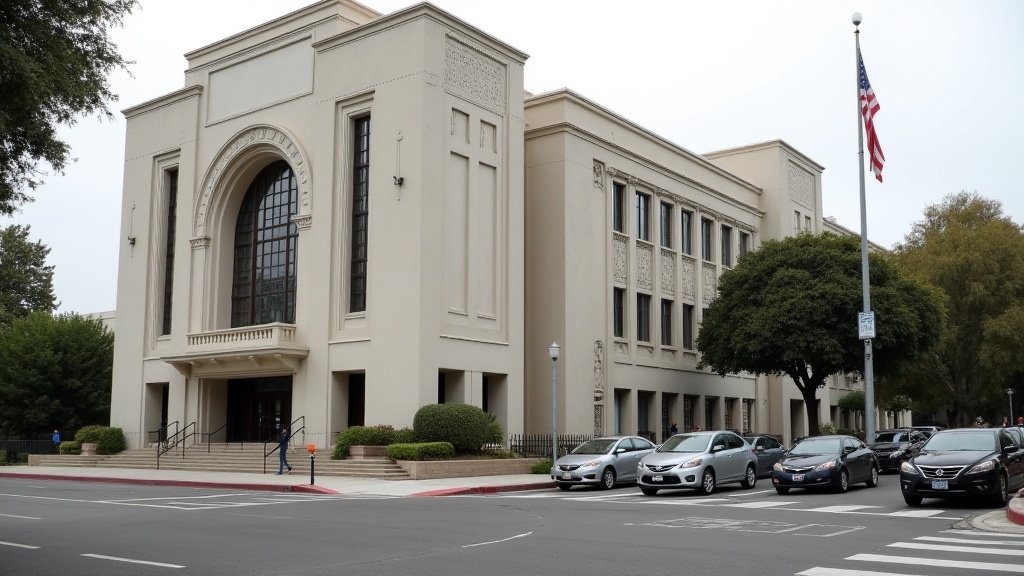
The choice of Bridges Auditorium as the debate venue is not merely functional; it is symbolic. Renowned for its Spanish Colonial Revival architecture and status as the crown jewel of the Claremont Colleges, the auditorium offers a gravitas that contrasts with the fast-paced, high-stress atmosphere of the gubernatorial race. By moving the debate away from traditional studio settings and onto a college campus, organizers have prioritized the theme of civic education and the next generation of leadership.
Architectural Significance: Beyond the Stage
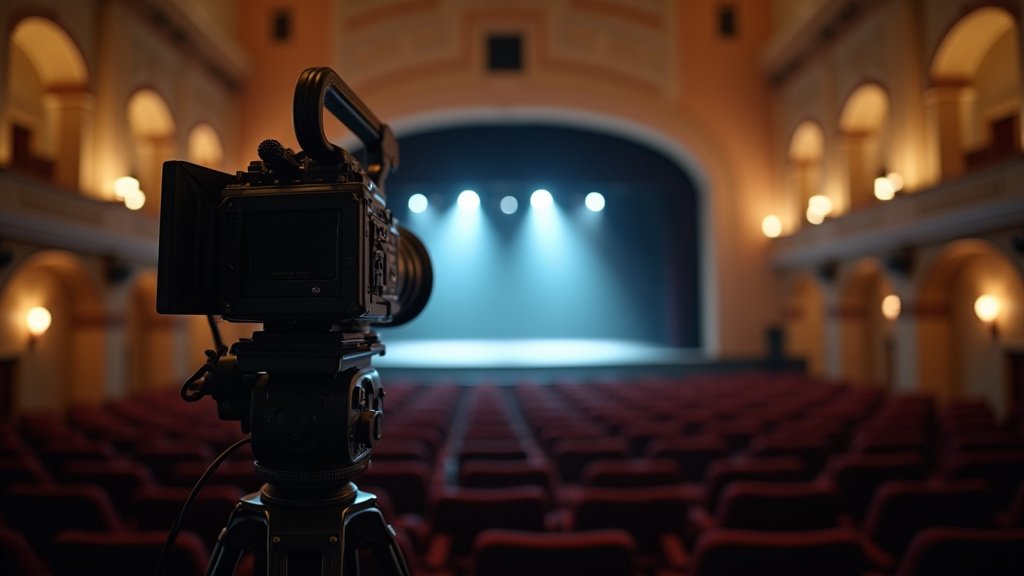
For decades, Bridges Auditorium has hosted world-class performers and lecturers. Tonight, however, the venue serves a different type of spectacle. Transforming this historic space into a broadcast-ready television studio requires a massive logistical operation. Crew members have been working around the clock to install high-definition lighting rigs, satellite uplinks, and redundant communication systems to ensure a seamless statewide broadcast. This integration of cutting-edge broadcasting technology within the historic, aesthetic framework of “Big Bridges” highlights the convergence of traditional democracy and modern media.
The Political Landscape: The Battle for the Ballot
This debate occurs at a critical juncture in the 2026 campaign. With primary ballots slated to be mailed to voters in just five days, the stakes could not be higher. The candidate list is notably broad, reflecting a diverse spectrum of policy approaches. From housing and immigration to public safety and the state’s economic trajectory, the candidates are expected to face rigorous questioning on the issues most pressing to Californians. The inclusion of a wide array of candidates ensures that this debate serves as a crucial differentiator for undecided voters, many of whom have expressed frustration with the limited scope of previous forums.
Logistical Challenges and Opportunities
Hosting a gubernatorial debate in a non-traditional venue like a college town presents unique logistical challenges. Security protocols have been heightened across the Pomona College campus, and limited seating within the auditorium has led to a lottery system for students and faculty. However, the college has mitigated this by organizing concurrent watch parties at Frary Dining Hall, ensuring that the student body remains integrated into the event. This decentralized approach—where the debate is broadcast to thousands on-campus while the main stage hosts a select group—serves as a model for how large-scale political events can better engage younger voters.
Future-Proofing the Democratic Process
The partnership between CBS News, APAPA (Asian Pacific American Public Affairs), and Pomona College represents a new blueprint for political engagement. By leveraging regional media power and academic resources, the organizers have created an environment that feels less like a partisan shouting match and more like a substantive policy forum. Whether this format will become the new standard for gubernatorial debates remains to be seen, but the success of this event—measured by student turnout, media reach, and public engagement—will undoubtedly influence the planning of future electoral forums in California.
FAQ: People Also Ask
Where is the debate taking place?
The debate is hosted at the historic Bridges Auditorium located on the campus of Pomona College in Claremont, California.
Who is moderating the event?
The debate is moderated by a team of veteran CBS journalists, including Pat Harvey, Tony Lopez, Julie Watts, and Ryan Yamamoto, alongside Pomona College political science professor Sara Sadhwani.
How can I watch the debate?
The debate is broadcast live at 5:30 p.m. PDT on CBS-owned stations across California (including Los Angeles, San Francisco, and Sacramento). It is also available to stream on CBSLA.com, the CBS News 24/7 digital platform, and via the CBS News YouTube channel.
Who are the confirmed candidates?
Confirmed participants include Xavier Becerra, Chad Bianco, Steve Hilton, Matt Mahan, Tom Steyer, Tony Thurmond, and Antonio Villaraigosa. The candidate list is notable for its inclusivity compared to previous debate attempts in the 2026 cycle.