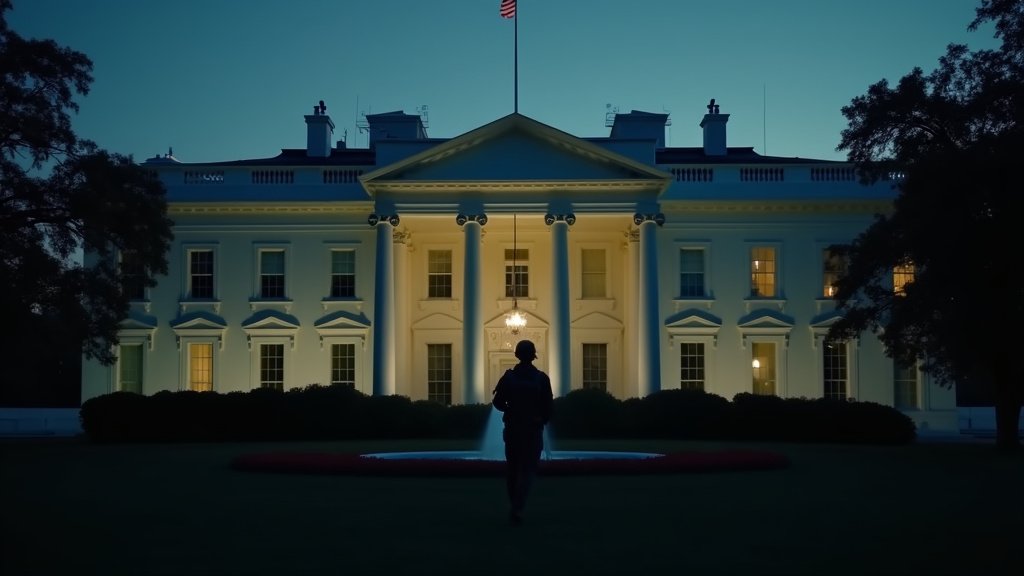
Afghan Commando’s Alleged White House Attack: A Shadow War’s Echo in Washington
An Afghan commando’s past actions have surfaced. Rahmanullah Lakanwal faces serious charges. He allegedly attacked National Guard members. This incident occurred near the White House. Lakanwal once served alongside U.S. forces. His case reveals deep connections. It ties to America’s long war in Afghanistan. The event brings a complex picture to light. It highlights the fallout of past conflicts.
The Attack Near the White House
The incident took place on November 26, 2025. Two National Guard members were on duty. They stood near the White House. Rahmanullah Lakanwal allegedly ambushed them. He opened fire with a handgun. One guard died from her wounds. The other guard was critically injured. Lakanwal himself was shot. Other Guardsmen wounded him during the confrontation. U.S. Secret Service agents then took him into custody. He appeared in court from a hospital bed. Lakanwal pleaded not guilty to charges. He faces murder and assault charges. Prosecutors seek the death penalty. He acquired the firearm in Washington state. He drove across the country to D.C. The motive for the attack remains unclear.
A Life Shaped by War
Rahmanullah Lakanwal is 29 years old. He served in elite Afghan military units. These were known as the Zero Units. They were developed, funded, and directed by the CIA. These units were part of a “parallel state.” Lakanwal joined around age 16. He belonged to the Kandahar-based Zero 3 strike unit. Over a decade, he took part in missions. These included night raids and intelligence gathering. He also fought in counterinsurgency operations. The Zero Units were highly trusted. They served alongside U.S. Special Forces. Their effectiveness was remarkable. However, they operated with few constraints. This system blurred lines of legality. It was part of America’s shadow war.
The “Parallel State” and Its Collapse
America built these specialized units. They were part of its strategy in Afghanistan. The CIA directly managed many of them. They were not just on paper with Afghan security forces. This created a dual system. It offered loyalty but few guarantees. The U.S. war machine constructed this order. It was done in darkness. Accountability was minimal. When the U.S. withdrew, this world imploded. Lakanwal carried its ruins with him. The system promised loyalty. It offered no clear path home. He became a casualty of war. He was also a casualty of policy.
Struggles After Resettlement
Lakanwal arrived in the United States in 2021. He came through Operation Allies Welcome. His family resettled with him. Life in America proved challenging. He faced severe mental health issues. A community advocate described his condition. He suffered from isolation and “manic episodes.” Some suspected post-traumatic stress disorder. His service in Afghanistan took a toll. Adjusting to a new life was difficult. He felt defeated in his new world. He spent weeks alone in his room. He took long, solitary drives. He struggled with jobs and daily life. His family sought help for him. His difficulties echo those of many allies.
Unanswered Questions and Wider Impact
Investigators continue to examine Lakanwal’s case. They are exploring mental health claims. Radicalization theories are also under review. A definitive motive has not been established. His actions have brought significant attention. This incident casts a harsh spotlight. It raises questions about vetting processes. It also touches on the fate of Afghan allies. Tens of thousands came to the U.S. They aided American efforts. Many face similar assimilation struggles. They feel abandoned and unsupported. Organizations like #AfghanEvac advocate for them. Their needs for resources are great. This complex news story often captures broader attention. Local news in places like Los Angeles might cover similar refugee challenges. The incident underscores a difficult truth. It shows the lasting consequences of conflict.
A Legacy of War
Rahmanullah Lakanwal’s alleged attack is not isolated. It is a product of a long war. It stems from structures built and then discarded. The “shadow war” created specialized fighters. Their paths diverged after the conflict ended. For Lakanwal, that path led to tragedy. It ended near the nation’s capital. His case is a stark reminder. It highlights the human cost of global strategy. The war’s echoes reach far. They have now arrived in Washington. This event reflects a complicated legacy. It is a story of sacrifice and sorrow.