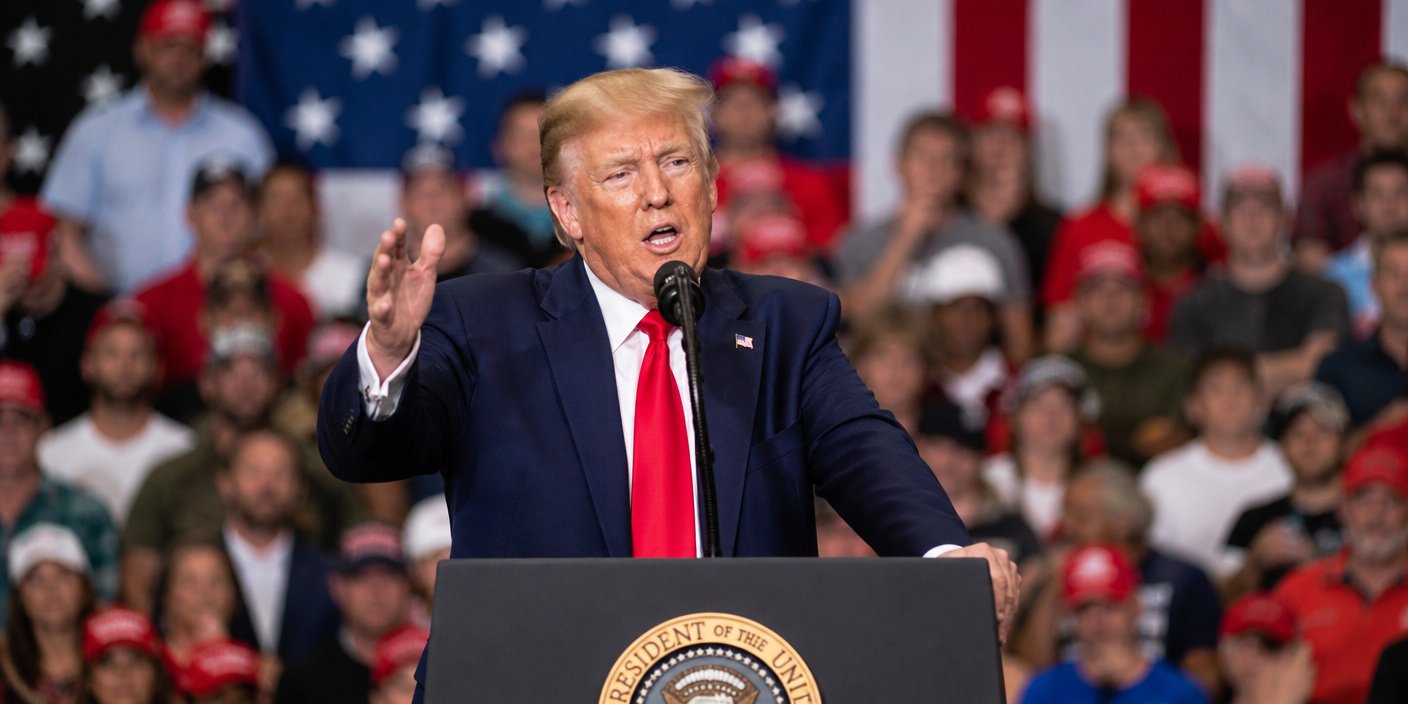

The Trump administration has enacted a new policy. Furthermore, this policy expands ICE’s authority. It concerns lawful refugees already in the U.S. The memo is dated February 18, 2026. This news broke on February 19, 2026. National security is cited as the reason. Acting ICE Director Todd Lyons and USCIS Director Joseph Edlow signed the document. They are key figures in this development. The memo was filed in federal court. It is part of ongoing legal challenges. This immigration news highlights a significant policy shift.
Broadening ICE Authority Over Refugees
The core of this new directive targets refugees. Specifically, it concerns those admitted lawfully. However, they must not have obtained permanent resident status. This applies one year after their U.S. arrival. U.S. law requires refugees to seek a green card. This application must occur within that first year. The memo mandates a stricter process. Refugees must now undergo re-vetting. This involves returning to government custody. There, they face inspection and examination. The stated purpose is to ensure re-vetting. It aims to align vetting with other applicants. Furthermore, it promotes public safety.
A Departure From Longstanding Policy
This new policy represents a significant change. It directly contrasts with earlier guidance. A key memo from 2010 guided previous actions. That 2010 memo stated failure to get a green card was not grounds for removal. It also was not a basis for detention. The current administration disputes this. They argue the previous guidance was incomplete. The new directive grants immigration authorities broad power. They can detain individuals during the re-inspection period. This decision has sparked considerable opposition. Refugee advocacy groups strongly condemn the memo.
Criticism and Current Context
HIAS, an organization formerly known as the Hebrew Immigrant Aid Society, expressed deep concern. They believe this move will cause severe harm. Thousands of people who fled persecution will be affected. Shawn VanDiver, president of AfghanEvac, labeled it a reckless reversal. He stated it breaks faith with those promised protection. This news follows recent scrutiny of ICE. The agency has faced criticism. Its budget increases are notable. Sadly, deaths during enforcement operations have also occurred. These events contribute to the ongoing debate. Trump’s administration has consistently pursued a tough stance. His hardline immigration agenda was a central campaign promise. The number of people held in ICE detention has climbed dramatically. It has reached approximately 68,000 individuals. This marks a substantial increase. It is about 75% higher than when the administration began.
Legal Challenges and Future Implications
The new refugee policy faces legal obstacles. A U.S. judge previously halted similar initiatives. This memo appeared in a federal court filing. It was submitted just before a critical hearing. This hearing took place in Minnesota federal court. The International Refugee Assistance Project leads one lawsuit. They aim to have the policy declared unlawful. The administration appears to redefine refugee status. It now views status as conditional. Previously, it was considered permanent. This represents a major departure in refugee treatment. The Department of Homeland Security (DHS) cites legal authority. It refers to a specific section of the Immigration and Nationality Act. This section pertains to refugees who do not apply for green cards. It requires them to return to DHS custody. However, legal experts note past practice differed. “Custody” did not traditionally mean arrest or indefinite detention. The memo implies DHS must actively locate and arrest aliens. This expansion of ICE powers carries weighty implications. It potentially affects tens of thousands of people. This is a developing immigration story.
Conclusion
A recent Trump administration memo significantly expands ICE’s powers. It allows for the detention of specific refugees. This is for the purpose of additional screening. The policy reverses long-standing practices. It has ignited strong opposition from refugee advocates. Furthermore, legal challenges are now underway. This action underscores the administration’s firm approach to immigration enforcement. The news surrounding ICE and Immigration continues to unfold.