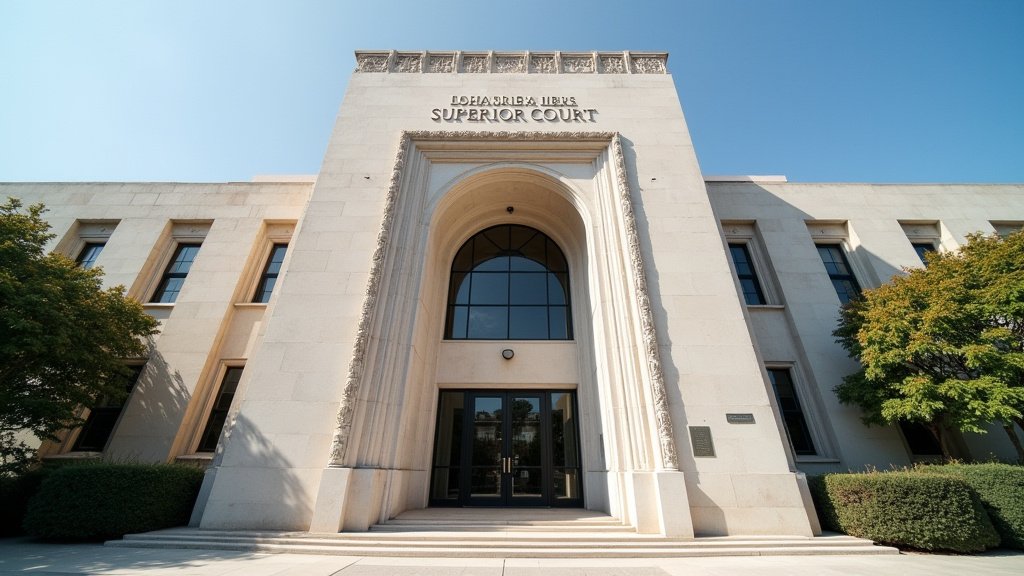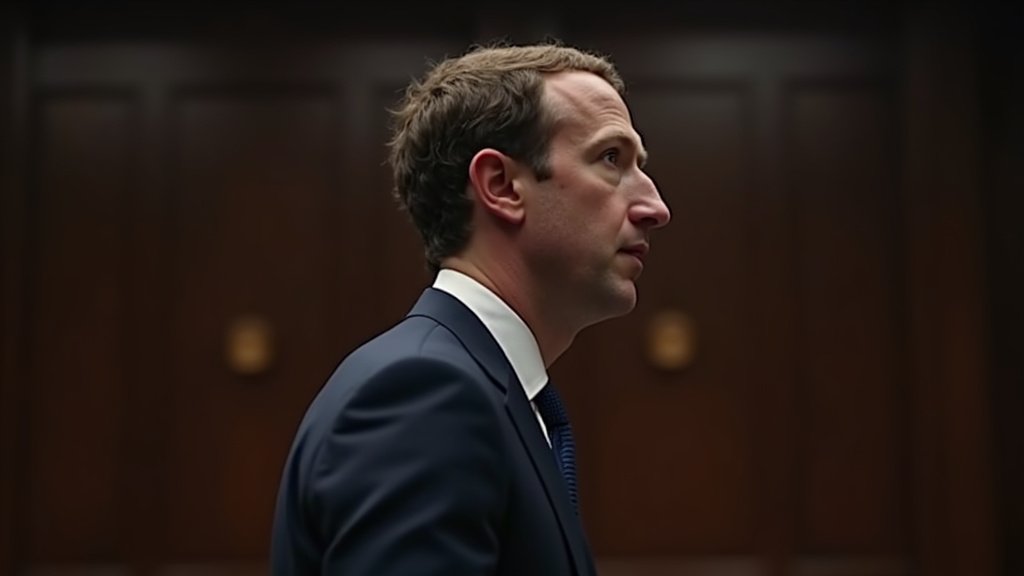
Mark Zuckerberg took the stand. This happened in Los Angeles on February 18, 2026. He testified in a landmark trial. The case questions social media’s impact on children. It centers on allegations of addiction. These claims target Meta Platforms and Google’s YouTube. This popular news is making waves.
Plaintiff’s Grievances Surface
The lawsuit involves a 20-year-old woman. Her initials are K.G.M. She claims social media use harmed her. This began when she was very young. She started using YouTube at age 6. Instagram use began around age 9. Her lawyers argue this led to addiction. It also worsened her depression and anxiety. Furthermore, she experienced suicidal thoughts and body dysmorphia. The core accusation is deliberate design. Platforms allegedly use features to hook young users. This prioritizes engagement and profit. The goal is to keep users scrolling for longer. This strategy mirrors tactics used by Big Tobacco.
Zuckerberg’s Testimony Unfolds
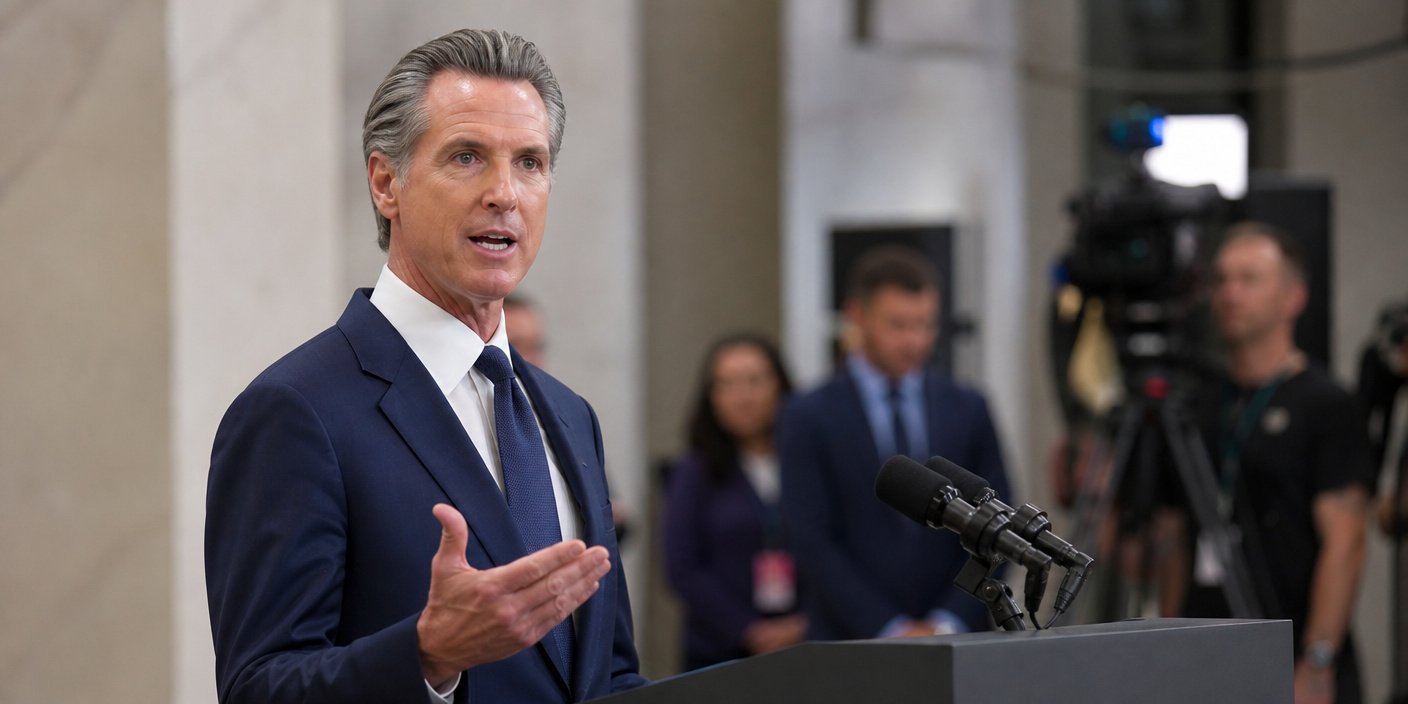
The Meta CEO appeared in court. He defended his company’s practices. Zuckerberg stated children under 13 were never allowed on Instagram. However, he admitted users often lie about their age. He acknowledged enforcement tools have evolved over time. He also wished Meta could have identified underage users sooner. He found some questions about enforcement complicated. Zuckerberg also addressed time-spent goals. He claimed Meta does not set such goals. He described time spent as a “proxy” for user value. He stated he wants to build sustainable communities. He does not aim to maximize user time for profit. However, internal documents suggested otherwise. These showed “milestones” for daily time spent on Instagram. These projected increases to 46 minutes per day by 2026.
Internal Documents Show Key Evidence
Lawyers presented internal company documents. One 2018 document suggested Instagram estimated 4 million users were under 13. Another internal message showed employees discussing targeting children under 13. One staffer called it “gross”. These documents fueled the plaintiffs’ argument. They suggest Meta knew about risks to young users. However, changes were allegedly slow and insufficient. These internal communications highlight the intentionality behind platform design. They argue features were built to maximize engagement. This often came at the expense of user well-being.
Age Verification Under Fire
Age verification policies were a major focus. Plaintiff’s lawyer Mark Lanier questioned Zuckerberg directly. He presented data showing millions of underage users. Lanier highlighted Zuckerberg’s past congressional testimony. In that testimony, Zuckerberg stated users under 13 were “not allowed” on Instagram. Lanier pressed Zuckerberg on how easily children could circumvent age limits. He asked if a nine-year-old would read fine print for age verification. Zuckerberg admitted that identifying underage users presented challenges. He stated that a reasonable company should help its users.
A Bellwether Trial for Tech Giants
This trial is considered a “bellwether” case. Its outcome could influence thousands of similar lawsuits nationwide. This is the first time a tech CEO has testified before a jury in such a case. TikTok and Snap (Snapchat) previously settled. They reached undisclosed agreements before the trial began. Google’s YouTube remains a defendant alongside Meta. The comparison to Big Tobacco trials is notable. Those trials led to significant payouts and regulatory changes.
Meta’s Defense and Broader Impact
Meta argues that user habits are complex. They state many factors influence mental health. This includes upbringing and personal choices. The company also highlights its safety features. These include parental controls and dedicated teen accounts. Meta insists its products are not clinically addictive. They point to ongoing efforts to protect young users. The company’s spokeswoman stated the evidence will show their commitment to supporting young people. Zuckerberg’s testimony comes amid public scrutiny. A Pew Research Center study showed many adults view him unfavorably.
The Road Ahead
This Los Angeles trial is crucial. It tests whether social media platforms are “defective products.” The question is whether they exploit young people’s vulnerabilities. The outcome could lead to significant monetary damages. It might also force platform-wide changes. The case could fundamentally reshape how tech companies are held accountable. It also impacts the popular landscape of social news. This legal battle continues to evolve.