Los Angeles Spotlight: Instagram Chief Defends Design Amidst Youth Mental Health Trial News
A significant trial is underway. It unfolds in Los Angeles. Instagram’s chief took the stand. Adam Mosseri leads the platform. The proceedings scrutinize youth mental health. Plaintiffs allege social media addiction. They claim platforms harm young users. This case could reshape the tech industry. It places a spotlight on Meta.
Plaintiff’s Grievances Detailed
The lawsuit stems from a young woman. Her initials are KGM. She began using Instagram at age nine. She claims the platform’s design caused addiction. This led to years of depression. It also fueled body dysmorphia. Her case targets Meta and Google. YouTube is also a defendant. TikTok and Snap have settled already. This trial is a bellwether. It will guide thousands of similar lawsuits.
Allegations of Addictive Design
Plaintiffs argue platforms are built for addiction. Features like “endless scroll” are key. These designs keep users hooked. They offer quick dopamine hits. This exploits developing brains for profit. Lawyers compare it to a slot machine. They claim companies knew of the harms. Yet, they prioritized growth. They allegedly profited from child addiction.
Mosseri’s Defense on the Stand
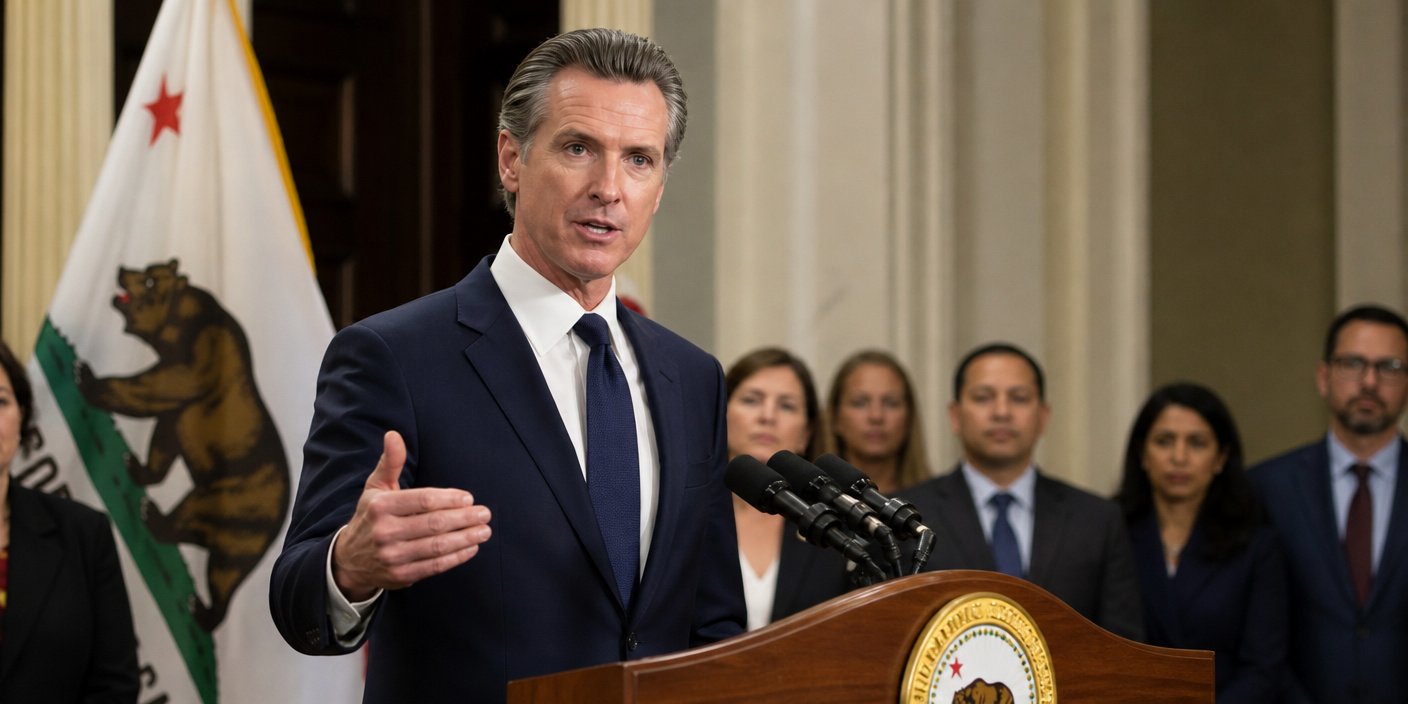
Adam Mosseri testified in court. He defended Instagram’s design choices. He disputed the term “clinical addiction.” Mosseri prefers “problematic use.” This use varies by individual. He stressed the difference. Psychologists do not classify social media addiction. It is not an official diagnosis. Mosseri stated the company seeks balance. They aim for user growth. Responsibility is also crucial. He admitted past company mottos are outdated. “Move fast and break things” is no longer fitting.
Internal Debates on Filters
Internal company emails were shown. These dated to 2019. They revealed debates. Executives discussed lifting a filter ban. These filters mimicked plastic surgery. Some internal teams warned of harm. They feared negative impacts on teen girls. Nick Clegg, then VP, cautioned against it. He noted accusations of prioritizing growth. Mosseri and Mark Zuckerberg initially favored reversing the ban. However, they preferred limiting filter visibility. Ultimately, the company kept the ban. Some filters were removed from recommendations. This compromise carried risks. It acknowledged a “well-being risk.”
Company Prioritizes Safety, Mosseri Claims
Mosseri asserted company efforts. They test new features carefully. They aim to be as safe as possible. However, they also censor minimally. He stated, “I was trying to balance all considerations.” He defended the decision on filters. They prohibited those overtly promoting surgery. They still allowed others. Policies and products evolve constantly. The company focuses on important issues.
Broader Concerns and Parental Grief
The courtroom audience included parents. Their children died by suicide. They believe social media played a role. Their presence added emotional weight. One mother called her children “collateral damage.” This reflects Silicon Valley’s past culture. The trial tests tech companies’ liability. It addresses negligence in design. It questions if products substantially caused harm. The outcome could impact the industry broadly.
A Landmark Case Unfolds
This Los Angeles case is significant. It influences over 1,500 similar lawsuits nationwide. Meta argues its research is mixed. It claims safety precautions are in place. Plaintiffs’ attorneys see it differently. They believe internal documents show awareness of harm. The evidence suggests a deliberate strategy. This strategy aimed for user engagement. It then monetized that engagement.
The trial continues its proceedings. It will determine accountability. The scrutiny is intense. Social media’s role in youth lives is central. The legal landscape for tech giants is at stake. This news from Los Angeles is being watched globally.