Massive Walkout Hits Kaiser Permanente Facilities
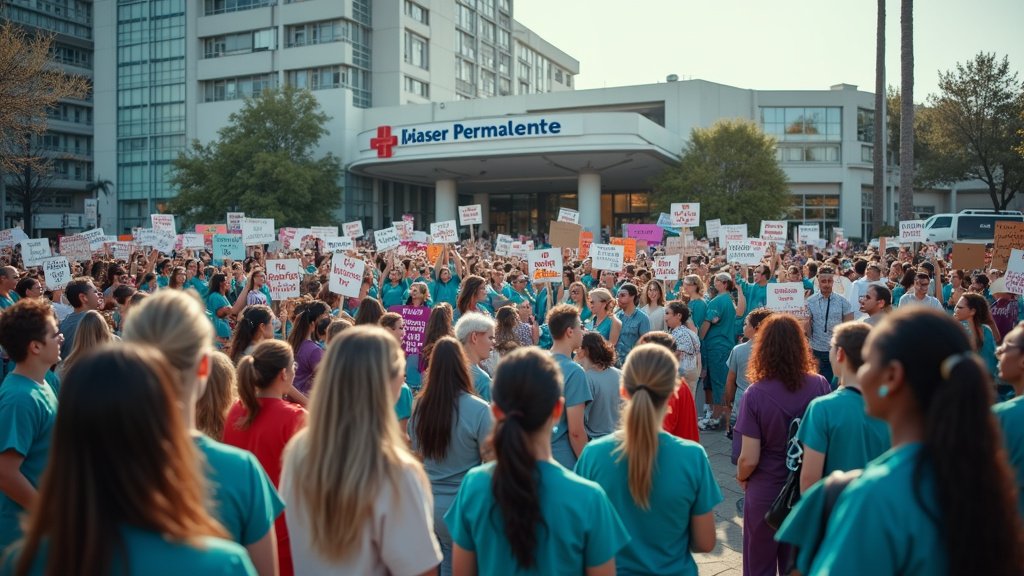
Tens of thousands of healthcare workers walked off the job Monday. This strike began on January 26, 2026. It impacts Kaiser Permanente facilities. The action is unfolding across California and Hawaii. Approximately 31,000 workers are participating. The United Nurses Associations of California/Union of Health Care Professionals (UNAC/UHCP) represents them. This is a significant labor dispute. It represents the largest strike of healthcare professionals this year. The strike is open-ended. It will continue until an agreement is reached. News about the strike quickly spread. It affected many popular Kaiser locations. This includes facilities in Los Angeles.
The Core Issues: Staffing and Fair Pay
Workers cite critical issues. They demand safer staffing levels. Chronic understaffing is a major concern. It leads to increased workloads. It also causes burnout. Many experienced caregivers leave. This delays patient care. It also increases the risk of errors. Union leaders highlight this crisis. They want timely access to quality care. Fair wages are also central to demands. The union seeks a 25 percent wage increase. This increase would span four years. This proposal aims to address cost-of-living pressures. It also acknowledges past smaller raises. Workers also seek respect at the bargaining table. They report feeling denied dignity. This has fueled the widespread walkout.
Kaiser Permanente’s Position
Kaiser Permanente has responded. They call their offer a strong proposal. The healthcare system offered 21.5 percent wage increases. This offer also spans four years. Kaiser states a significant portion is in the first two years. They claim alliance employees earn higher wages already. They estimate 16 percent more than similar roles elsewhere. In some markets, this figure is 24 percent higher. Kaiser disputes the union’s claims. They accuse unions of bad-faith tactics. The company also filed a lawsuit. It sought to dismantle a streamlined bargaining process. Kaiser accuses union leaders of coercion. They claim leaders withheld information. This information was needed for hospital staffing. Kaiser is preparing for the strike’s impact.
Stalled Negotiations and Previous Actions
Contract negotiations have been difficult. Talks began in May 2025. They stalled in December 2025. The union filed unfair labor practice charges. They allege Kaiser management walked away. They also claim Kaiser tried to bypass national bargaining. This move undermined the process. The union previously took action. They participated in a five-day strike in October 2025. Earlier, a one-day strike occurred in September 2025. These actions were responses to Kaiser’s stance. A report highlighted Kaiser’s financial standing. It noted billions in reserves. This report suggests Kaiser can afford demands. It contrasts with claims of financial strain.
Impact on Patient Care and Services
Kaiser Permanente states its facilities will remain open. Hospitals and medical offices will operate. However, disruptions are expected. Some pharmacies will close. This includes locations in Southern California. Elective surgeries may be rescheduled. Non-urgent appointments might also shift. Kaiser plans to move some care to virtual settings. This helps mitigate the impact. The union argues that understaffing already harms patients. They believe the strike is necessary. It forces Kaiser to address critical issues. A previous strike involved 75,000 workers. That was the largest healthcare strike in U.S. history. This current action highlights ongoing tensions. It involves staffing, wages, and care continuity. Major Los Angeles area facilities are affected. The Los Angeles Medical Center is one such site. News reports from Los Angeles detail picket lines. This strike sets precedents for other negotiations. The healthcare landscape is watching closely.
An Ongoing Dispute
The labor dispute continues. It highlights challenges in healthcare systems. Staffing shortages are a national concern. Wage inflation adds further pressure. Kaiser Permanente is a major provider. Its contracts influence industry standards. The strike represents a fight for better conditions. It aims to protect patient care. It also seeks to retain skilled workers. The situation remains fluid. Both sides are engaged in a complex battle. The ultimate resolution is yet to be determined.