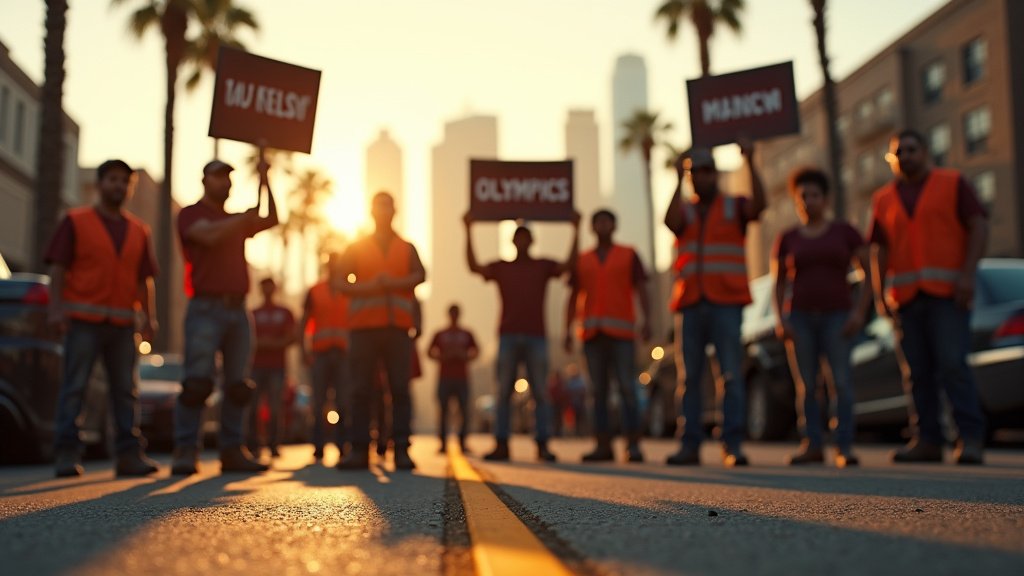
The upcoming LA Labor Unions Olympics initiative is a significant movement by Los Angeles labor unions to secure substantial gains ahead of the 2028 Summer Games. Inspired by the successful tactics of Paris hotel workers who achieved better terms through pre-Games action, LA unions are planning similar strategies. Their primary objective is to secure improved wages and benefits for their members. Unite Here Local 11, a prominent union representing thousands of hotel, airport, and arena staff, is at the forefront of this effort. Crucially, many of Unite Here Local 11’s contracts are set to expire in January 2028, strategically positioning them for maximum Olympics worker rights leverage just months before the LA Labor Unions Olympics commence. Other major unions, including UFCW Local 770 and SEIU Local 721, are also aligning their contract expirations for early 2028, creating a powerful, coordinated front for enhanced worker bargaining power. The collective action is a direct response to the challenges faced by LA hotel workers and others working in the shadow of the global event, aiming to ensure the 2028 Olympics labor landscape benefits those who make the Games possible.
A “New Deal” for Workers and the LA Labor Unions Olympics
A broad coalition encompassing labor groups, community organizations, and religious institutions is advocating for sweeping changes, unified under the banner of a “New Deal for Our Future.” This comprehensive plan directly targets the LA28 organizing committee and the city, with a central demand for the funding of 50,000 housing units to confront the escalating LA housing crisis. The coalition is also pressing for a moratorium on short-term rentals, such as those facilitated by Airbnb, which contribute to housing scarcity. Protecting immigrant workers is another vital component of their agenda, ensuring safety and fair treatment for all. Experts widely view the upcoming Olympics as a pivotal moment, drawing parallels to past Games in Rio de Janeiro and Paris where significant improvements for workers were achieved, providing a hopeful precedent for the LA Labor Unions Olympics.
Key Demands and Leverage for the LA Labor Unions Olympics
Central to the unions’ demands is the establishment of a specific “Olympic Wage,” targeting a $30 per hour minimum wage by July 2028. While the Los Angeles City Council has approved a phased increase to this amount from the current $22.50, business groups’ attempts to repeal this ordinance via referendum ultimately failed, reinforcing the wage increase. The strategic timing of contract expirations provides significant leverage, particularly for Unite Here Local 11, which has over 100 contracts covering approximately 25,000 workers expiring in early 2028. This proximity to the LA Labor Unions Olympics amplifies pressure on employers, making the threat of strikes a potent concern. Union leaders emphatically state that the Olympics “can’t happen without the workers,” underscoring their indispensable role in the successful execution of the event, much like the focus on Paris Games labor negotiations.
LA28’s Perspective on the LA Labor Unions Olympics
The LA28 organizing committee has publicly acknowledged the unions’ efforts, with spokesperson Jacie Prieto Lopez emphasizing that the Games are expected to generate “good-paying jobs” and “real opportunities for working people” that will benefit “neighborhoods and families.” LA28 expresses a commitment to collaboration and anticipates forming partnerships with local unions, confident in the Games’ potential to foster a “stronger future for working people.” Nevertheless, some critics voice concerns about the long-term economic impacts and the potential for increased living costs and displacement, drawing lessons from the financial burdens experienced by host cities after previous mega-events, a concern also voiced regarding 2028 Olympics labor conditions.
Lessons from Past Games for the LA Labor Unions Olympics
The Social Charter implemented for the Paris 2024 Games served as a model for responsible event organization, aligning with the International Labour Organization’s agenda by defining minimum working conditions and supporting small businesses. Paris organizers prioritized social and environmental benefits through their procurement strategies, aiming for significant local impact. Similarly, the Rio 2016 Games saw notable gains for workers, influenced by strikes at construction sites that led to higher pay. Labor groups in Los Angeles are closely studying these international precedents, seeking to replicate their successes and ensure the LA Labor Unions Olympics leave a lasting positive legacy. This legacy includes not only improved jobs and housing but also strengthened worker protections, with a dedicated focus on ensuring the benefits extend to all communities. This coordinated approach represents a critical opportunity for Los Angeles to transform the lives of its workers, enhancing their worker bargaining power significantly.