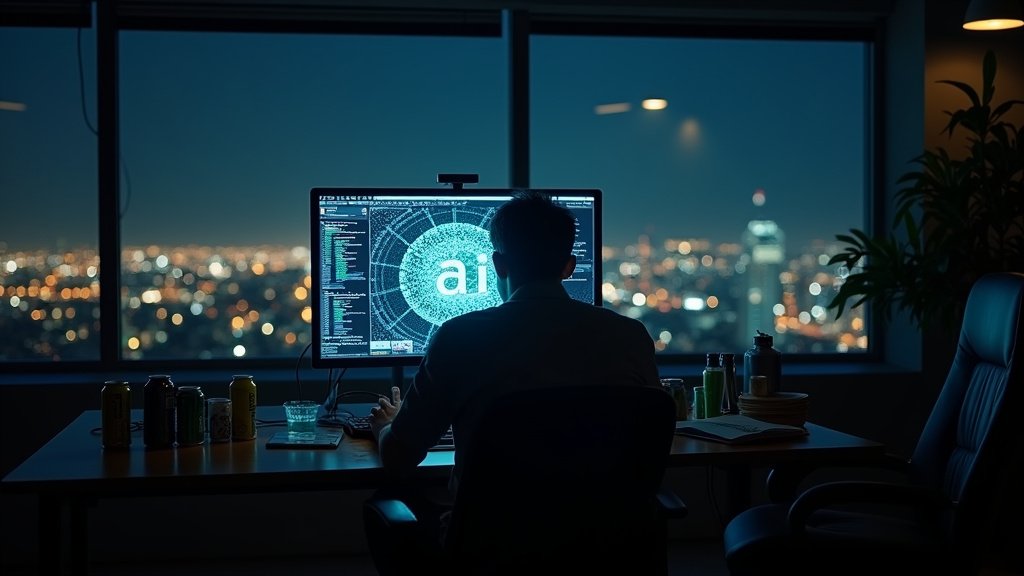
The AI boom is here, and the **996 Work Trend** is resurfacing, mirroring China’s once-prevalent “996” work schedule. This demanding schedule, requiring work from 9 a.m. to 9 p.m., six days a week, is a brutal reality that was once common in China and is now illegal there. The resurgence of this intense work ethic is a significant development within the tech industry trends.
Understanding the 996 Work Schedule
The “996” system is an intense work model that requires employees to work 12 hours daily for six days each week, totaling 72 working hours. This practice originated in China’s tech industry to drive rapid growth, but critics labeled it “modern slavery.” China’s Supreme Court declared it illegal in 2021, aiming to protect worker rights. The **996 Work Trend** highlights the conflict between rapid innovation and employee well-being.
The AI Boom’s Influence on the 996 Work Trend
The current AI race is incredibly intense, fueling a demand for extreme work hours. Startups face immense pressure to develop quickly and achieve significant breakthroughs. Speed is seen as paramount for survival, especially in AI development. This competitive environment contributes to the **996 Work Trend**, making it a trending topic in technology news and intensifying the startup grind.
Silicon Valley’s Embrace of the 996 Work Trend
This demanding schedule is now trending in Silicon Valley, with some AI companies openly adopting it. Job listings now mention 70-hour weeks, and executives may inquire about willingness for long work hours. This marks a shift from past norms, as Silicon Valley was once known for flexibility. The **996 Work Trend** signifies a return of the “startup grind,” which some view as essential hustle, impacting Silicon Valley work culture.
China’s Stance and History of the 996 Work Schedule
Interestingly, China has officially outlawed the 996 work schedule, with their courts declaring it illegal. The government seeks to protect tech worker rights. Despite this, the model is resurfacing, now appearing in the US technology industry. This reflects a globalization of work culture and the pervasive influence of the **996 Work Trend**.
Consequences and Criticisms of Long Work Hours
The **996 Work Trend** raises serious concerns. Employee burnout is a major risk, and mental and physical health can suffer significantly. Productivity may actually decrease, and decision-making can become impaired. Work-life balance is severely eroded, and it might also create diversity barriers. Some experts call this trend performative and argue it is inefficient, contributing to the negative aspects of long work hours.
The Founder and Investor Perspective on the 996 Work Trend
Some founders defend these long hours, seeing it as a necessary sacrifice in the face of the **996 Work Trend**. Investors might push for rapid growth and expect total dedication. Influential figures promote a “hardcore” work ethic, which can attract talent and signal a company’s urgency, further entrenching the **996 Work Trend**.
Conclusion on the 996 Work Trend
The AI race is transforming technology and reshaping work culture. Silicon Valley faces a critical choice regarding the **996 Work Trend**: is extreme work the price of innovation, or can companies achieve success sustainably? The return of the 996 work schedule raises ethical questions and tests the limits of human endurance. The technology industry must consider the long-term impact of the **996 Work Trend** on its workforce.